Follow us on Instagram @goldomallc
Free shipping on orders over $53 USD
Handcrafted with love
New home décor collection available now
Use code GOLDOMA15 for 15 % off
Follow us on Instagram @goldomallc
Free shipping on orders over $53 USD
Handcrafted with love
New home décor collection available now
Use code GOLDOMA15 for 15 % off


Best Mattress for Back Pain: Top Picks & Guide
Buying Guide
Your Guide to the Best Mattress for Back Pain
Finding the best mattress for back pain can feel overwhelming, but the right support makes all the difference. Here’s how to choose wisely.
Spinal Alignment Pressure Relief Medium Firm
Why the Best Mattress for Back Pain Prioritizes Spinal Alignment
When you sleep, your spine should maintain its natural S-curve. A mattress that’s too soft lets your hips sink, misaligning your vertebrae. Too firm, and pressure points at shoulders and hips cause tossing. The best mattress for back pain offers a balance: enough contouring to cradle curves, yet enough support to keep your spine neutral. Look for materials like memory foam or pocket springs that adapt without sagging.
Firmness Level: Does It Matter?
Medium-firm is often recommended by orthopedists and chiropractors for back pain sufferers. In a 2015 study published in Wikipedia’s chiropractic overview, medium-firm mattresses improved sleep quality and reduced pain compared to firm or soft options. However, personal preference matters: side sleepers may need slightly softer support for shoulders, while back and stomach sleepers benefit from firmer surfaces. The best mattress for back pain should allow your hips to sink just 2-3 inches when lying on your side.
Key Materials: Memory Foam vs. Pocket Springs
Memory Foam
Memory foam contours closely, relieving pressure points. But traditional foam can trap heat and feel sluggish. Look for gel-infused or open-cell foam for cooling. For back pain, memory foam alone may lack deep support; it works best layered with coils.
Pocket Springs
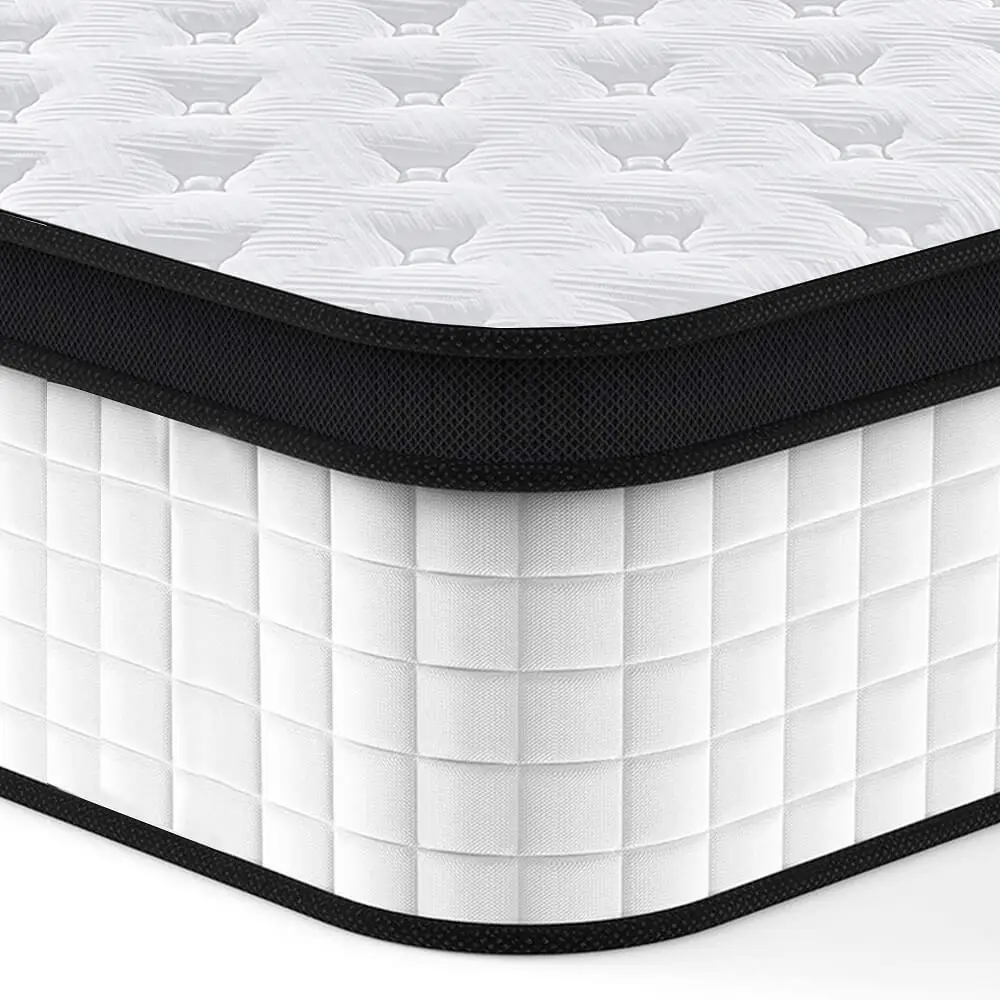
Individually wrapped coils provide targeted support and reduce motion transfer. They respond quickly to movement and promote airflow. A hybrid combining pocket springs with memory foam offers the best of both worlds: contouring comfort plus resilient support. This is why many experts recommend a hybrid as the best mattress for back pain.
How to Test a Mattress for Back Pain
- Lie on your back: Your spine should feel aligned, not arched or flattened. Slide your hand under your lower back; there should be slight resistance.
- Lie on your side: Your hips and shoulders should sink evenly, keeping your spine straight. Check that your head and neck are aligned with your spine.
- Check pressure points: Spend 10-15 minutes in each position. If you feel numbness or tingling, the mattress is too firm or too soft.
A mattress that passes these tests is likely a good candidate for the best mattress for back pain.
Top Features in the Best Mattress for Back Pain
- Zoned support: Firmer in the lumbar area, softer at shoulders and hips.
- Edge support: Reinforced edges prevent sagging when sitting or sleeping near the edge.
- Cooling technology: Gel, breathable covers, or coil airflow to prevent heat buildup.
- Motion isolation: Essential for couples; pocket springs or foam minimize disturbance.
These features ensure your mattress actively works to relieve back pain all night.
When to Replace Your Mattress
If your mattress is over 7-8 years old, shows visible sagging, or you wake up with back stiffness, it’s time for a new one. An old mattress cannot provide the support needed to be the best mattress for back pain. Upgrading can dramatically improve sleep quality and daily comfort.
Worth a look
Goldoma 12-Inch Hybrid Mattress – Pocket Spring & Memory Foam, Medium Firm
For a balanced option, the Goldoma 12-Inch Hybrid Mattress – Pocket Spring & Memory Foam, Medium Firm combines targeted coil support with cooling memory foam to help maintain spinal alignment.
Frequently asked questions
What is the best mattress firmness for back pain?
Medium-firm is generally best, as it balances support and pressure relief. However, side sleepers may prefer slightly softer, while stomach sleepers need firmer.
Can a mattress really help with chronic back pain?
Yes, a supportive mattress can reduce pressure points and keep your spine aligned, often easing pain. It’s not a cure but can significantly improve sleep quality.
How often should I replace a mattress for back pain?
Every 7-10 years, or sooner if you notice sagging, lumps, or waking up sore. A worn-out mattress loses support and can worsen back pain.
Is memory foam or innerspring better for back pain?
Hybrid mattresses (memory foam + pocket springs) often provide the best combination of contouring and support. Pure memory foam can be too soft, while traditional innersprings may lack pressure relief.