
Blog
The Best Measuring Tools for Every Kitchen Task
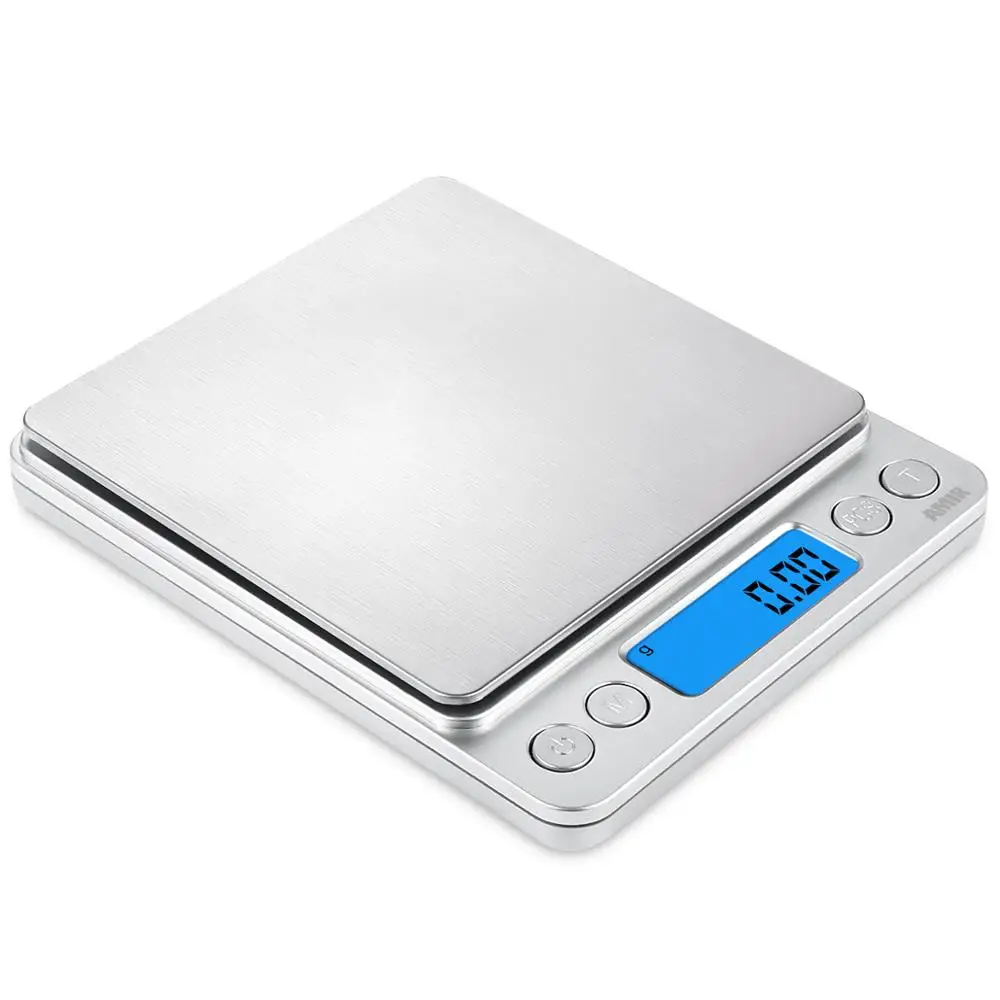
Whether you’re a seasoned chef or a weekend baker, precise measurements are the secret to consistent, delicious results. But with so many measuring tools on the market, finding the right ones for your kitchen can feel overwhelming. At Goldoma, we’ve curated a selection of the best measuring tools that combine accuracy, durability, and style. In this buying guide, we’ll walk you through what to look for and share our top six picks to help you measure with confidence.
Why Accurate Measuring Tools Matter
In cooking and baking, precision is key. A few grams off can mean the difference between a fluffy cake and a dense brick. The best measuring tools ensure you add the right amount of each ingredient, every time. But accuracy isn’t the only factor—ease of use, durability, and aesthetics also play a role. Whether you’re measuring flour for sourdough or coffee for your morning brew, having reliable tools makes the process enjoyable and the results consistent.
Types of Measuring Tools: Which Do You Need?
Measuring tools come in various forms, each suited to different tasks. Digital scales offer the highest precision, ideal for baking and portion control. Measuring cups and spoons are essential for liquids and dry ingredients; look for sets that include both. Beakers are great for liquids and can double as stylish servers. Specialty tools like wine measuring cups or cereal dispensers with built-in measures add convenience. Consider your cooking habits: if you bake often, a digital scale is a must; if you entertain, elegant measuring cups can double as serveware. For general cooking, a combination of cups, spoons, and a scale covers most needs.
Materials and Durability: What to Look For
The material of your measuring tools affects their longevity and performance. Stainless steel is durable, resistant to rust, and easy to clean—perfect for everyday use. Glass is non-porous, doesn’t retain odors, and is microwave-safe, making it ideal for liquids. Wooden tools are gentle on non-stick surfaces and add a warm aesthetic, but require hand washing. Plastic is lightweight and affordable but can stain and warp over time. For a premium feel, consider copper-plated or rose gold finishes that add elegance. Always check for food-grade materials and avoid tools with painted markings that may fade. Investing in high-quality materials ensures your tools last for years.
Sizes and Capacity: Matching Tools to Your Needs
Measuring tools come in a range of sizes, from tiny spoons to large pitchers. For dry ingredients, a set of measuring cups (1/4, 1/3, 1/2, 1 cup) and spoons (1/4 tsp to 1 tbsp) is standard. Digital scales should have a capacity of at least 5kg for general use, with 0.01g precision for small quantities. Liquid measuring cups should have clear markings and a pouring spout; 1-2 cup capacities are most versatile. Beakers typically range from 50ml to 1000ml—choose based on your typical recipes. If you meal prep or store grains, a cereal container with a measuring cup combines storage and measurement. Assess your most common tasks to determine the sizes you’ll use most.
Care and Maintenance: Keeping Tools in Top Shape
Proper care extends the life of your measuring tools. Stainless steel and glass are generally dishwasher-safe, but hand washing is recommended for items with markings or delicate finishes. Wooden tools should be hand washed and dried immediately to prevent cracking. Digital scales should be wiped clean with a damp cloth—never submerged. Avoid abrasive cleaners that can scratch surfaces. For glass beakers, sudden temperature changes can cause breakage, so let them cool before washing. Store measuring cups and spoons nested or on a hook to save space. With a little care, your measuring tools will remain accurate and beautiful for years.
Our Top Picks
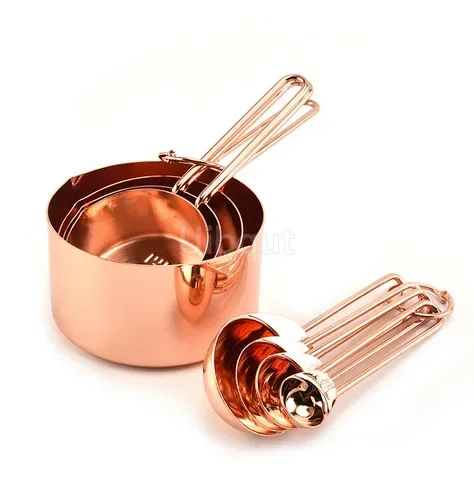

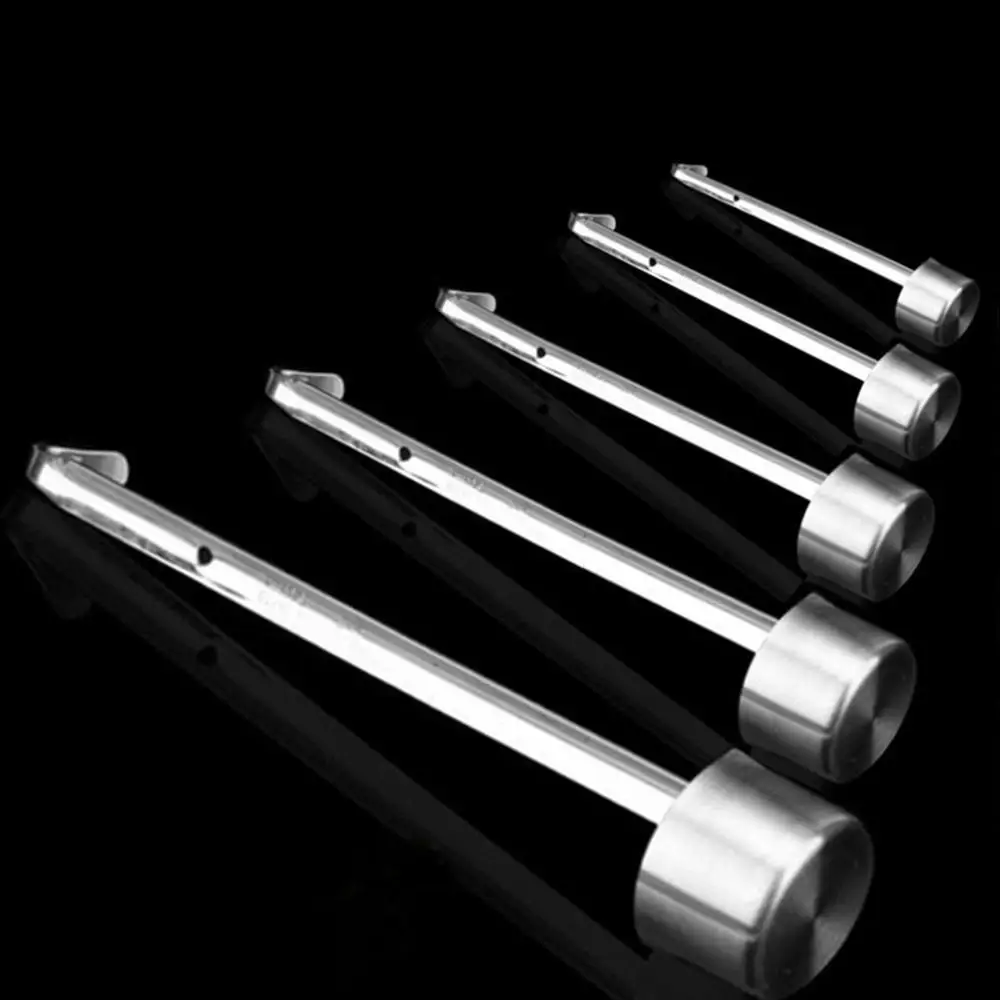
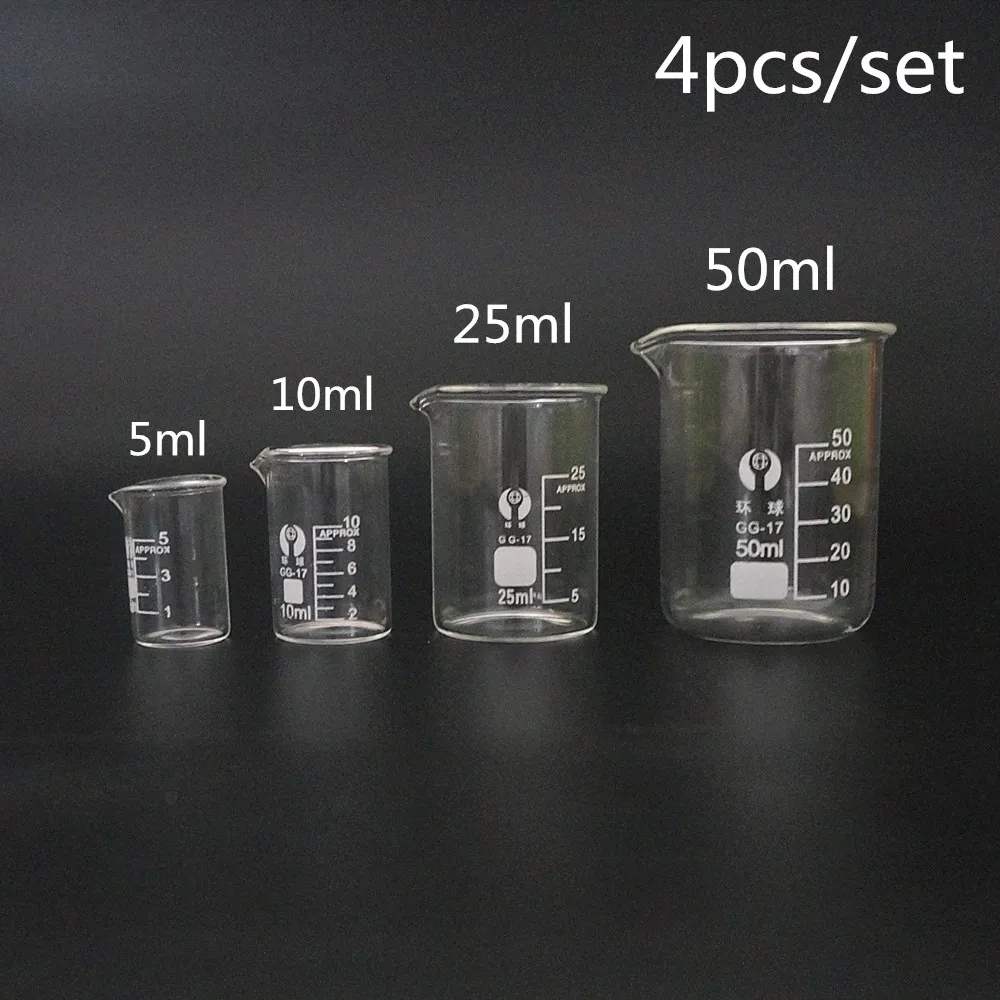
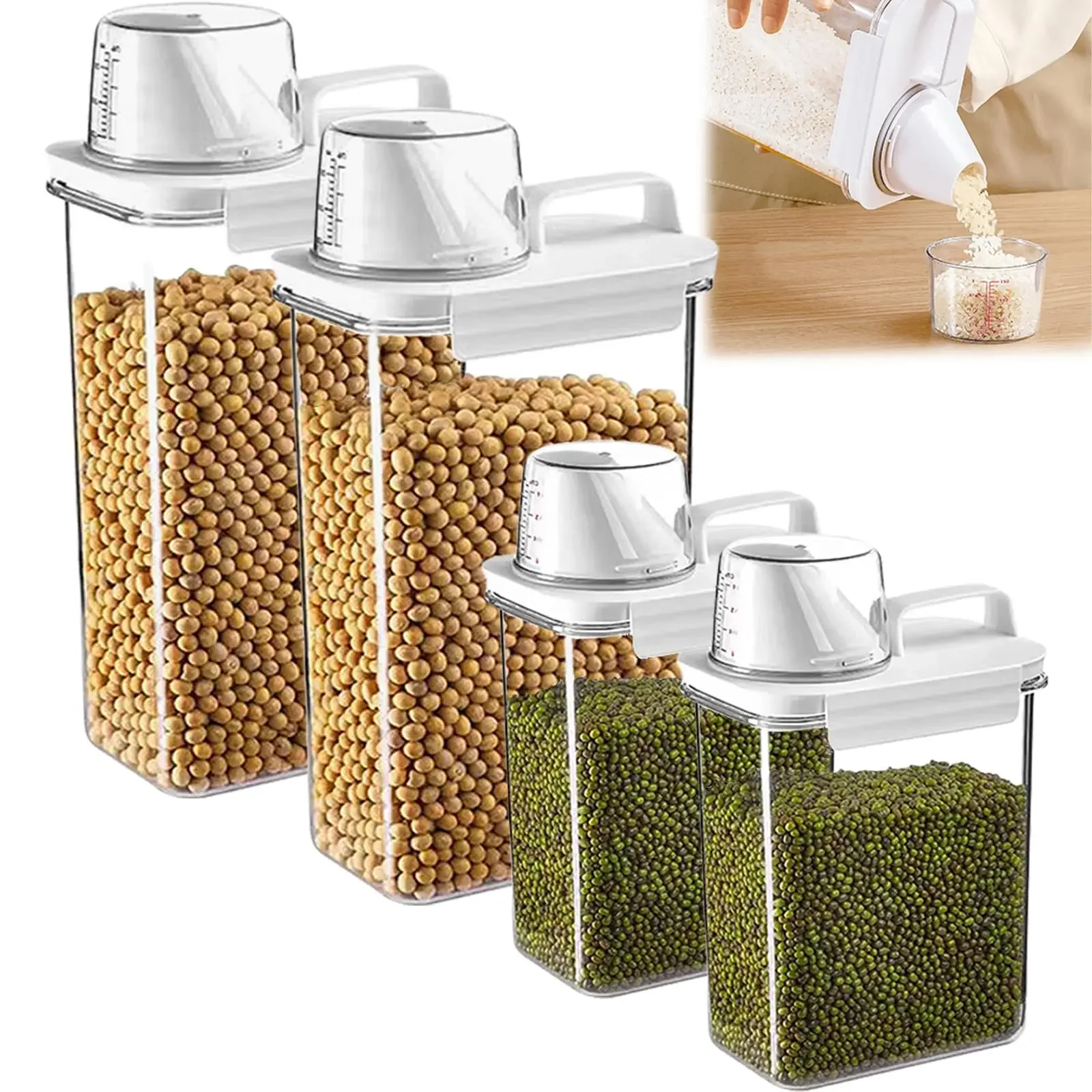
Ready to elevate your cooking with precise measurements? Shop Goldoma’s curated collection of measuring tools today and experience the difference quality makes.
