
Blog
Finding the Best Medium Firm Mattress for Your Sleep
Sleep Guide
The Best Medium Firm Mattress for Balanced Support
Finding the best medium firm mattress is key to achieving that elusive balance between softness and support. This guide walks you through what to look for and why it matters.
What Makes a Mattress the Best Medium Firm Mattress?
A medium firm mattress offers a Goldilocks zone of comfort: plush enough to cushion pressure points yet firm enough to keep your spine aligned. Unlike ultra-soft beds that let you sink too deeply or rock-hard surfaces that create pressure, medium firmness supports all sleep positions—back, side, and stomach—without sacrificing conforming comfort. The key lies in the construction: layers of foam or springs that combine gentle contouring with resilient pushback. For most adults, this profile reduces tossing and turning and helps maintain natural spinal curvature.
Key Features to Look for in a Medium Firm Mattress
When shopping for the best medium firm mattress, consider these elements:
- Support Core: Pocket springs or high-density foam provide targeted support and minimize motion transfer.
- Comfort Layers: A top layer of memory foam or latex adds pressure relief without sacrificing firmness.
- Thickness: 10–12 inches is typical for a medium firm feel; thinner beds may feel too firm, thicker ones too soft.
- Breathability: Look for open-cell foam, gel infusions, or coil systems that promote airflow to prevent overheating.
- Edge Support: Reinforced edges increase usable surface area and prevent sagging when sitting on the edge.
How Medium Firmness Benefits Different Sleep Positions
Back sleepers need even support to keep the spine neutral, which a medium firm mattress provides without excessive sinkage. Side sleepers require cushioning at shoulders and hips, and medium firmness delivers enough give to relieve pressure while still supporting the torso. Stomach sleepers often need firmer surfaces to prevent the hips from dipping, but medium firm works if the bed has strong support layers. Combination sleepers will appreciate the ease of movement and consistent feel across the surface. For more on sleep positions, see this overview.
Materials That Define a Great Medium Firm Mattress
The best medium firm mattress balances comfort and durability through its material composition. Pocket springs (individually wrapped coils) offer excellent motion isolation and contouring because each spring moves independently. Foam layers, such as memory foam or polyfoam, add pressure relief. Latex provides a responsive, buoyant feel that resists sagging over time. Hybrid designs combine both springs and foam for a versatile medium firm feel. Avoid cheap foams that may soften quickly; look for densities of at least 1.8 lb/ft³ for durability. A quality mattress should maintain its medium firm feel for years.
Pocket Springs vs. Continuous Coils
Pocket springs are superior for motion isolation and targeted support, making them ideal if you share a bed. Continuous coils often transfer movement and may feel firmer overall. For a balanced medium firm feel, pocket springs are the preferred choice.
Thickness and Its Impact on Firmness
While firmness is primarily about feel, thickness influences how that feel is delivered. A 10- to 12-inch mattress usually provides enough depth for multiple comfort layers without bottoming out. Thinner beds (6–8 inches) often lack sufficient cushioning and may feel too firm. Thicker beds (14+ inches) can feel plush, potentially sacrificing the medium firm feel. A 12-inch profile is a sweet spot: it allows for a supportive core and a comfort layer that gently contours without excessive sinkage. When testing, lie in your usual sleep position for at least 5 minutes to gauge true firmness.
How to Test a Medium Firm Mattress Before Buying
Always test a mattress in person if possible, or rely on generous trial periods (at least 100 nights). Lie on your back and check that your spine stays aligned—place a hand in the small of your back; if it slides easily, support is good. Roll onto your side: your shoulders and hips should sink slightly without causing a curve in your spine. Press on the mattress with your palm; a medium firm mattress should give about 1–1.5 inches of depression. Read reviews for long-term feedback on sagging or softening. A quality medium firm mattress should feel supportive yet yielding, not hard or mushy.
Care and Longevity of a Medium Firm Mattress
To extend the life of your best medium firm mattress, use a mattress protector to guard against spills and dust mites. Rotate the mattress (head to foot) every 3–6 months to prevent uneven wear. Avoid jumping on the bed or placing heavy weight on one spot for long periods. Vacuum the surface occasionally to remove debris. Most quality mattresses last 7–10 years; signs it’s time to replace include visible sagging, waking up sore, or increased allergy symptoms. Proper care ensures the medium firm feel remains consistent throughout its lifespan.
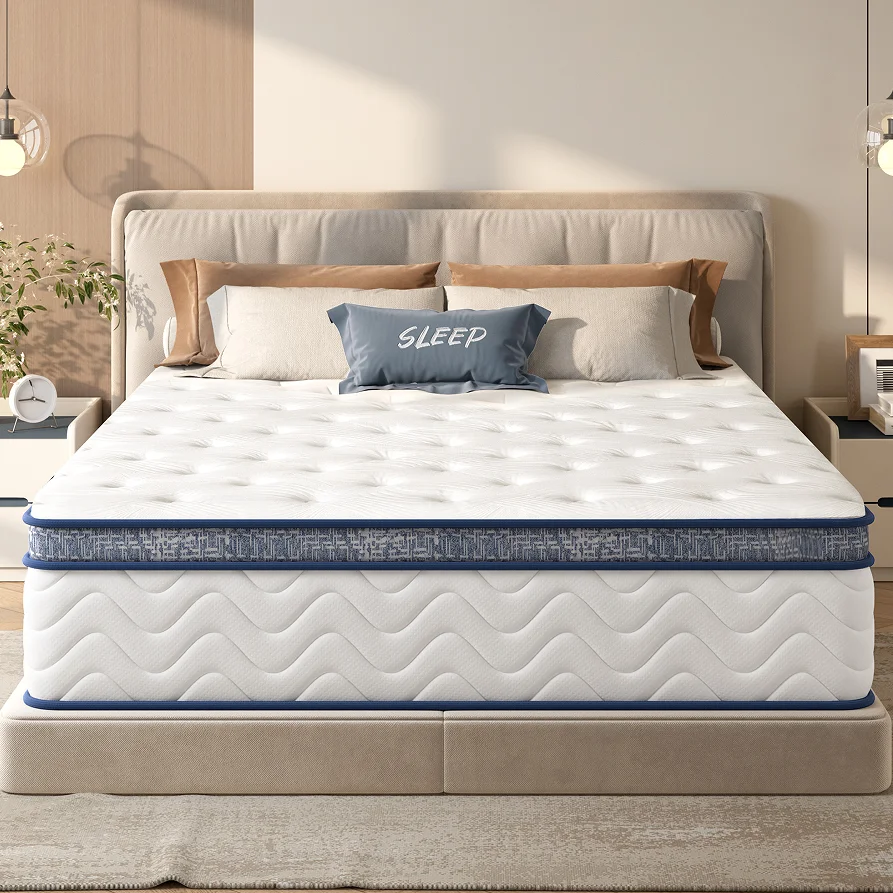
Queen Mattress with Pocket Springs and Foam – Medium Firmness, 12 inch Thickness
For a reliable choice, consider the Queen Mattress with Pocket Springs and Foam – Medium Firmness, 12 inch Thickness, which combines pocket spring support with foam comfort.
Frequently asked questions
What does medium firm mattress mean?
Medium firm is a comfort level that balances soft cushioning with firm support. It typically rates between 5 and 7 on the firmness scale (1=soft, 10=hard), offering pressure relief without excessive sinkage.
Is a medium firm mattress good for side sleepers?
Yes, it often works well for side sleepers because it cushions the shoulders and hips while keeping the spine aligned. Those with very broad shoulders may prefer slightly softer, but medium firm is a versatile choice.
How long does a medium firm mattress last?
With proper care, a quality medium firm mattress lasts 7–10 years. Signs of wear include sagging, lumps, or waking up with aches. Rotating it regularly can help maintain its feel.
Can a medium firm mattress help with back pain?
Many people with back pain find medium firm mattresses helpful because they support neutral spinal alignment. However, individual needs vary; it’s best to test the mattress or use a trial period.
