
Blog
The Ultimate Guide to the Best Outdoor Tools for a Beautiful Garden
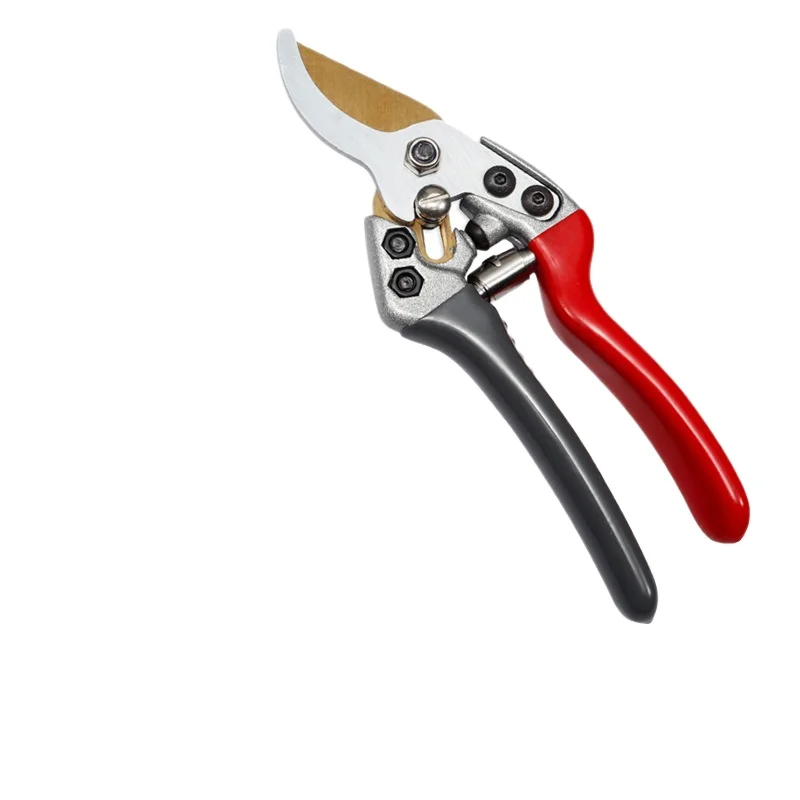
There’s nothing quite like spending time in your garden, breathing in the fresh air, and tending to your plants. But to make the most of your outdoor space, you need the right tools. Whether you’re a seasoned gardener or just starting out, having reliable, comfortable, and efficient tools can turn a chore into a pleasure. In this guide, we’ve curated a selection of the best outdoor tools that combine functionality, durability, and ease of use. From pruning shears to folding shovels, these picks are designed to help you cultivate a thriving garden with less effort and more joy.
Choosing the Right Outdoor Tools for Your Needs
Before you invest in outdoor tools, consider the specific tasks you’ll be performing. Are you primarily pruning shrubs and small branches? Or do you need to dig and till soil for a vegetable patch? Each tool serves a unique purpose, and understanding your garden’s demands will guide your choices. For pruning, look for sharp, precise blades that make clean cuts to promote plant health. For digging and edging, consider the handle length and grip comfort—these factors greatly affect your efficiency and comfort during prolonged use. Think about the scale of your garden: if you have a small urban plot, compact tools are ideal; if you manage a larger property, heavier-duty equipment may be necessary.
Understanding Sizes and Ergonomics
Size matters when it comes to outdoor tools. For handheld tools like pruning shears, ensure they fit comfortably in your hand—not too large or too small—to prevent hand fatigue. Look for ergonomic designs with non-slip grips that cushion your palm and provide a secure hold, even when your hands are sweaty or gloved. For longer tools like shovels and edgers, the handle length should match your height to avoid back strain. A general rule: when standing upright, the handle should reach about hip height. Adjustable or telescopic handles are a great option if multiple people will use the tools. Also, consider the weight of the tool; lightweight materials like aluminum or reinforced plastic reduce fatigue but may sacrifice durability. Balance is key.
Materials and Durability
The material of the tool determines its longevity and performance. Blades should be made of high-carbon steel or stainless steel, which hold a sharp edge and resist rust. Stainless steel is particularly good for humid climates. Handles can be made of wood, fiberglass, or steel. Wood offers a classic feel but requires maintenance to prevent cracking. Fiberglass is strong, lightweight, and weather-resistant, making it a popular choice. Steel handles are the most durable but can be heavier and cold to the touch in winter. For cutting tools, check if the blade is replaceable or if it can be sharpened; this extends the tool’s life. Additionally, look for tools with rust-resistant coatings or finishes to withstand outdoor conditions.
Styles and Features to Consider
Outdoor tools come in various styles tailored to specific tasks. For example, bypass pruners are ideal for live, green wood, while anvil pruners are better for dead, dry branches. When it comes to shovels, there are digging shovels, transfer shovels, and trenching shovels, each with a different blade shape. Consider the features that enhance usability: safety locks on pruning shears prevent accidental cuts when stored, and cushioned grips reduce impact. For powered tools like electric saws, check the battery type and runtime, and ensure it’s compatible with your existing batteries if you have them. For manual tools like lawn edgers, a sharp, sturdy blade is essential for clean cuts. Always choose tools that feel balanced in your hands and inspire confidence in their build quality.
Caring for Your Outdoor Tools
Proper maintenance will keep your tools in top shape for years. After each use, wipe off dirt and sap with a dry cloth. For blades, apply a light coat of oil to prevent rust. Sharpen blades regularly using a sharpening stone or file, following the original bevel angle. Wooden handles should be sanded and treated with linseed oil periodically. Store all tools in a dry, sheltered place, preferably hung or off the ground to prevent moisture damage. Keep cutting tools in a sheath or cover to protect the edges and prevent accidents. With a little care, your outdoor tools will serve you well through many seasons.
Our Top Picks
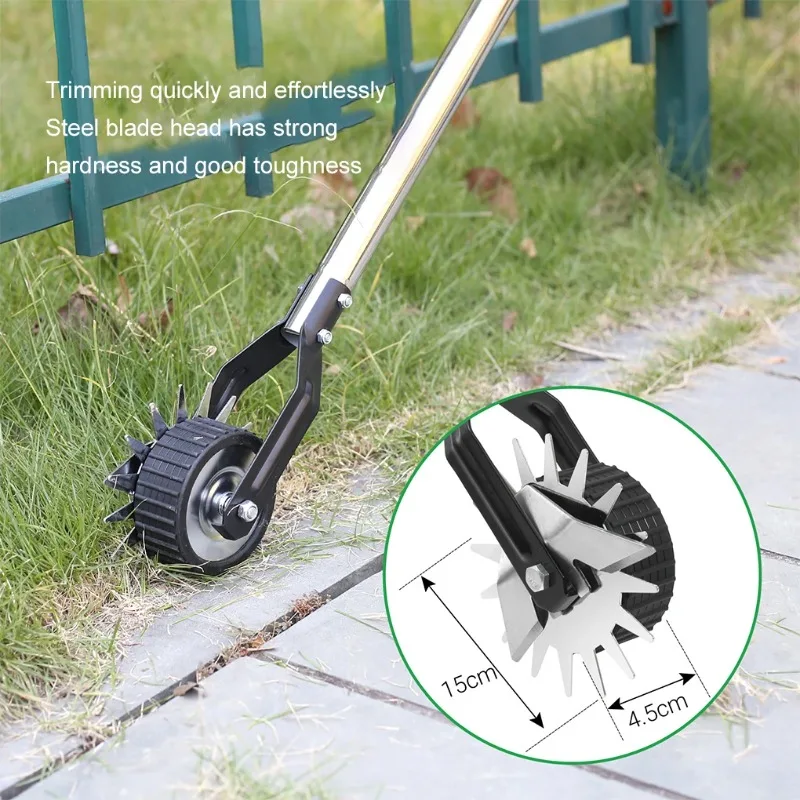
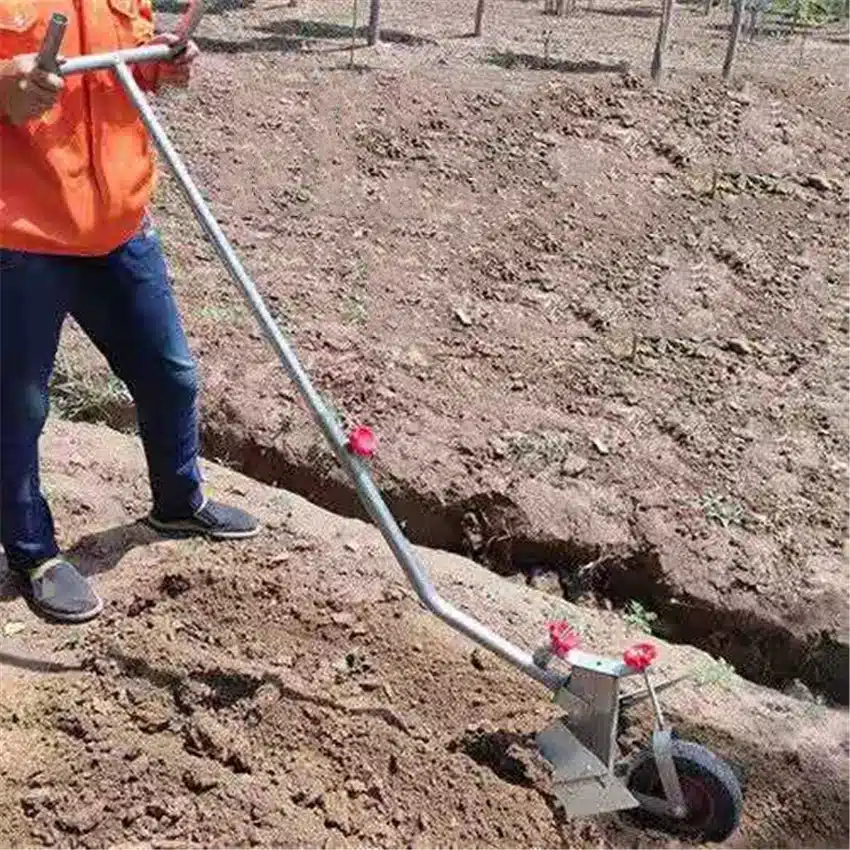
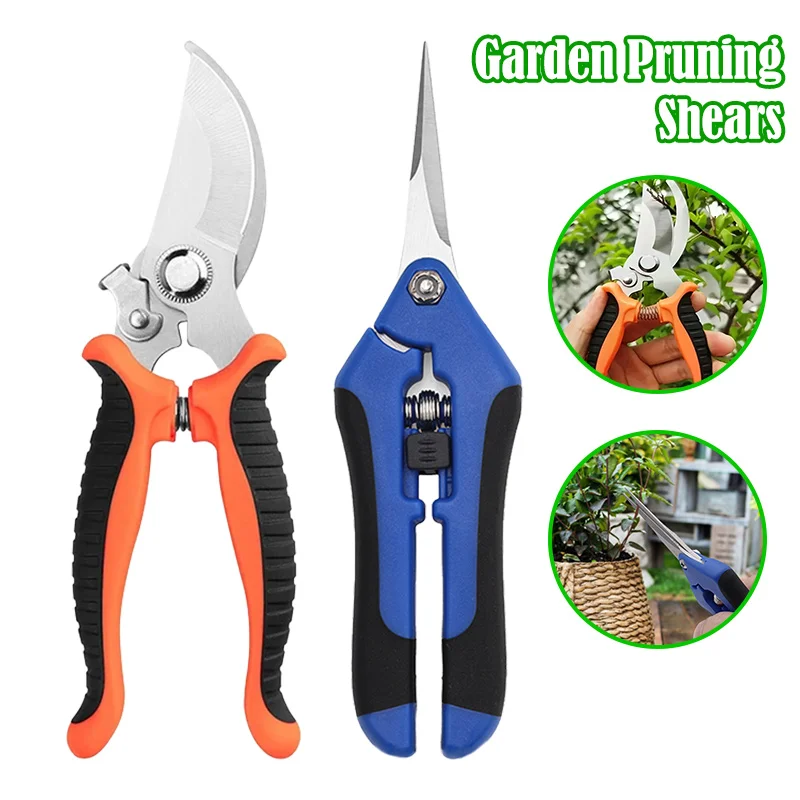
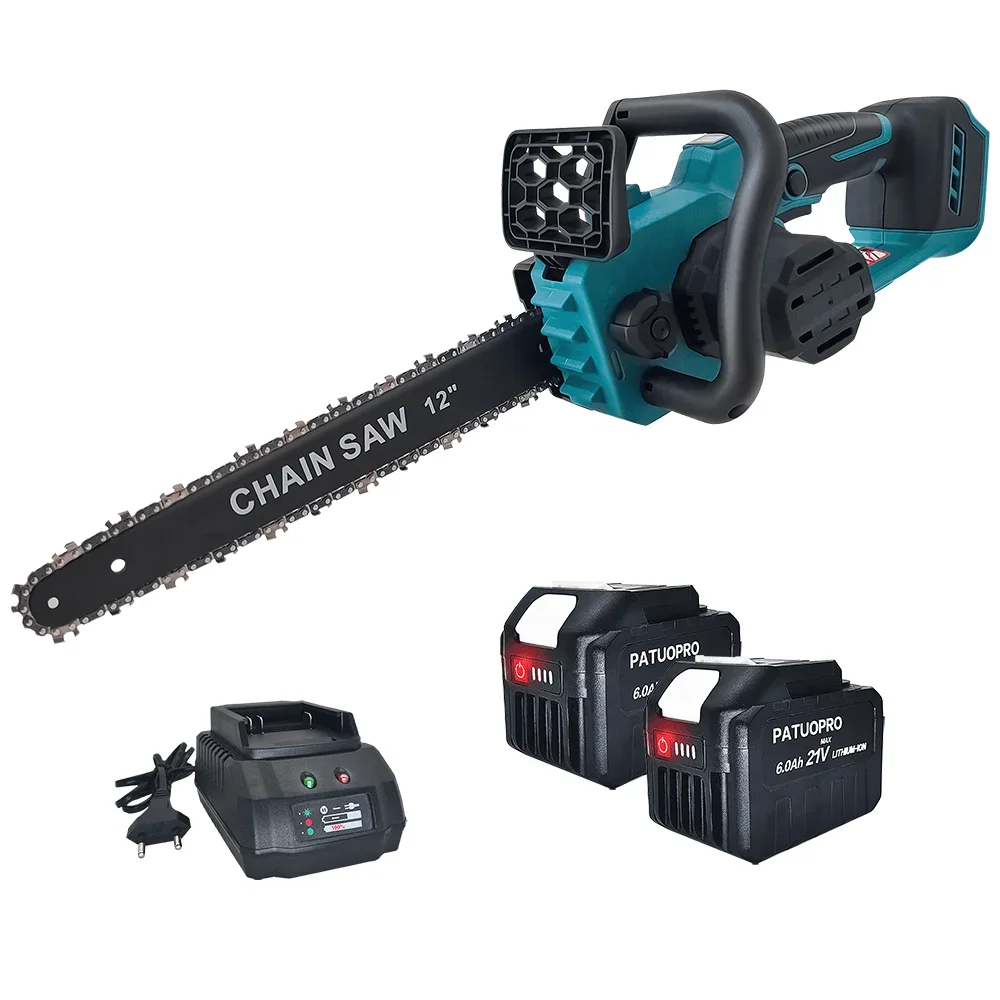
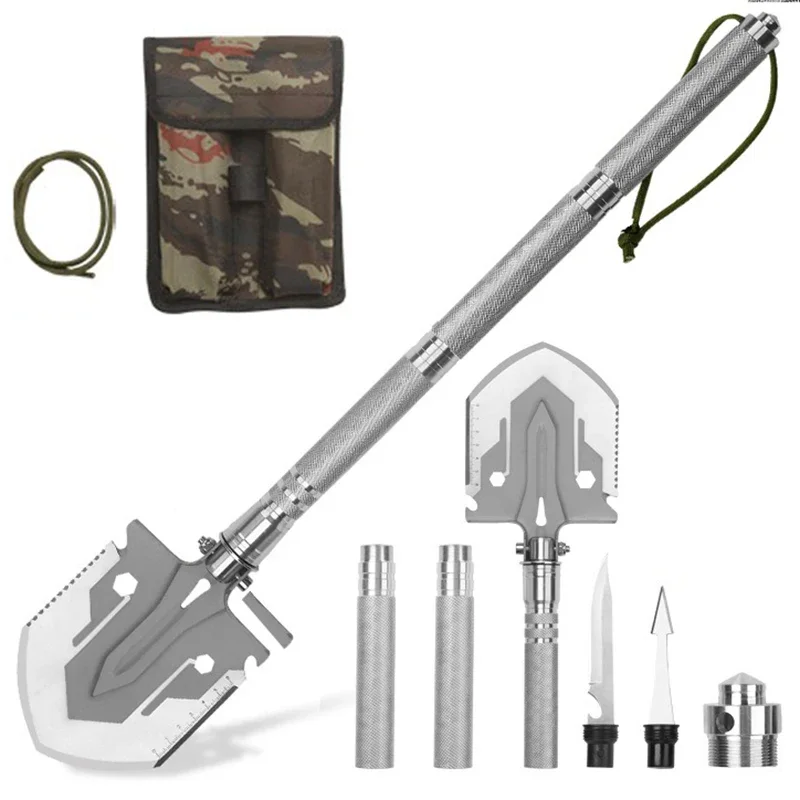
Explore our curated collection of outdoor tools and elevate your gardening experience today!
