
Blog
The Best Outdoor Garden Tools for a Beautiful, Low-Effort Yard
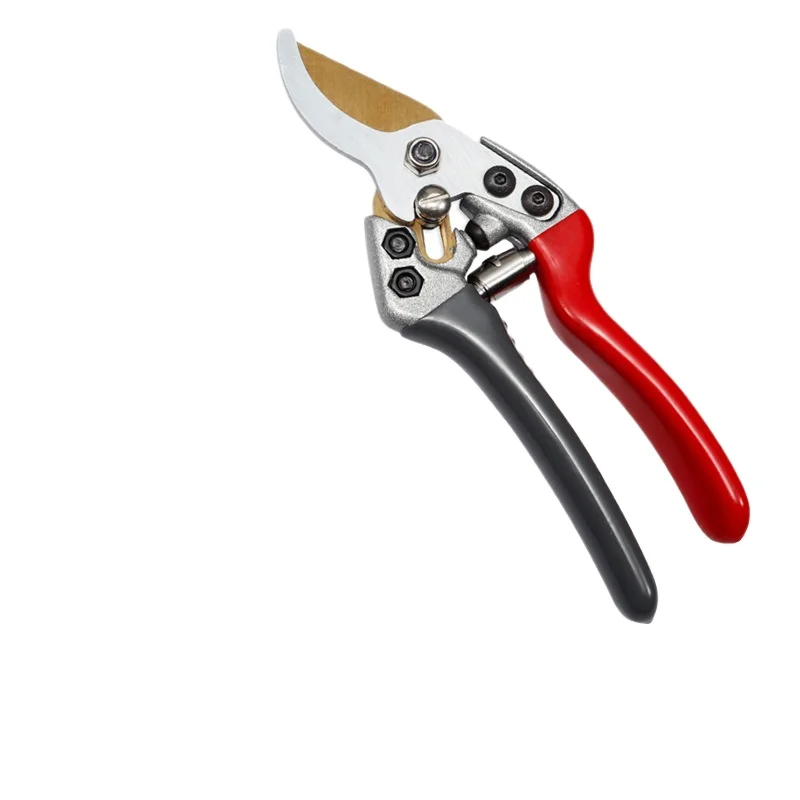
A great outdoor space doesn’t happen by accident—it’s the result of the right tools, used well. Whether you’re shaping fruit trees, edging a lawn, or prepping a vegetable bed, the best outdoor tools make the work safer, faster, and far more enjoyable. At Goldoma, we’ve curated a collection that balances premium materials, thoughtful ergonomics, and honest value. Below, we share practical buying advice and six standout picks to help you choose with confidence.
Start with Your Space and Your Goals
Before you buy anything, take a walk around your outdoor area. Are you maintaining a small urban courtyard, a suburban lawn, or a larger rural plot? The best outdoor tool for one person is overkill for another. For tight spaces, manual tools like hand trimmers and folding shovels are often more precise and easier to store. For bigger jobs—clearing brush, cutting firewood, or breaking new ground—you’ll want more power and leverage. Also consider your physical comfort: if you have wrist or back issues, ergonomic handles and lightweight designs aren’t luxuries, they’re necessities. And think about the seasons: pruning is mostly winter or early spring, lawn edging peaks in summer, and tilling happens before planting. A small, versatile kit often beats a single heavy-duty machine you rarely use.
Materials and Build Quality Matter
Outdoor tools live a hard life—dirt, moisture, sap, and sun. Look for blades made from high-carbon steel or stainless steel; they hold an edge longer and resist rust. Handles should be forged aluminum, fiberglass, or ash wood, with non-slip grips for wet conditions. Plastic is fine for occasional use, but if you want tools that last a decade, invest in metal where it counts. For cutting tools, a safety lock is non-negotiable—it protects fingers and keeps blades sharp during storage. Cordless electric tools should have brushless motors for efficiency and longer runtime; they also run cooler and need less maintenance. And check compatibility: many cordless saws are sold as bare tools, so you’ll need a battery platform you already own or plan to buy into.
Sizing, Ergonomics, and Ease of Use
Size affects control and fatigue. Pruning shears should fit your hand—too large and you’ll struggle with precise cuts; too small and you’ll lack leverage. Lawn trimmers and edgers work best when the handle length matches your height, so you can stand upright. Shovels and ploughs need a shaft length that lets you dig without stooping. Weight is another factor: a heavy chainsaw can tire you quickly, while an ultra-light one may lack power for thick branches. If you share tools with family members, adjustable or universal designs are worth seeking. Finally, consider maintenance: tools with replaceable blades or batteries offer better long-term value. Store everything clean and dry, oil metal parts occasionally, and sharpen cutting edges each season. A little care goes a long way.
Safety and Storage: The Unsexy Essentials
Every year, thousands of garden injuries are preventable with basic precautions. Wear gloves and eye protection when pruning or sawing. Use safety locks on shears and keep blades pointed away from your body. For electric tools, keep cords or batteries dry and never cut above shoulder height. When not in use, hang tools or store them in a dry shed—moisture is the enemy of steel. If you have children or pets, lock sharp tools away. And don’t overlook the value of a good folding shovel or multi-tool for camping and emergency kits; they’re compact, versatile, and can dig, saw, and pry in a pinch. Choosing the best outdoor tools isn’t about buying the most expensive set—it’s about matching honest, durable gear to the jobs you actually do. That’s the Goldoma approach: curated, practical, and built to last.
Our Top Picks
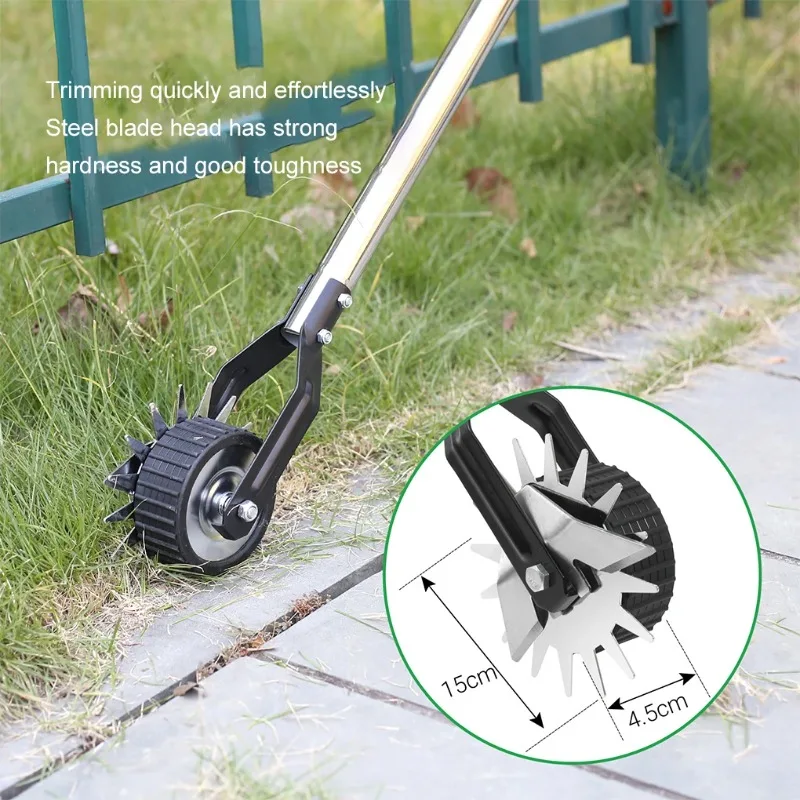
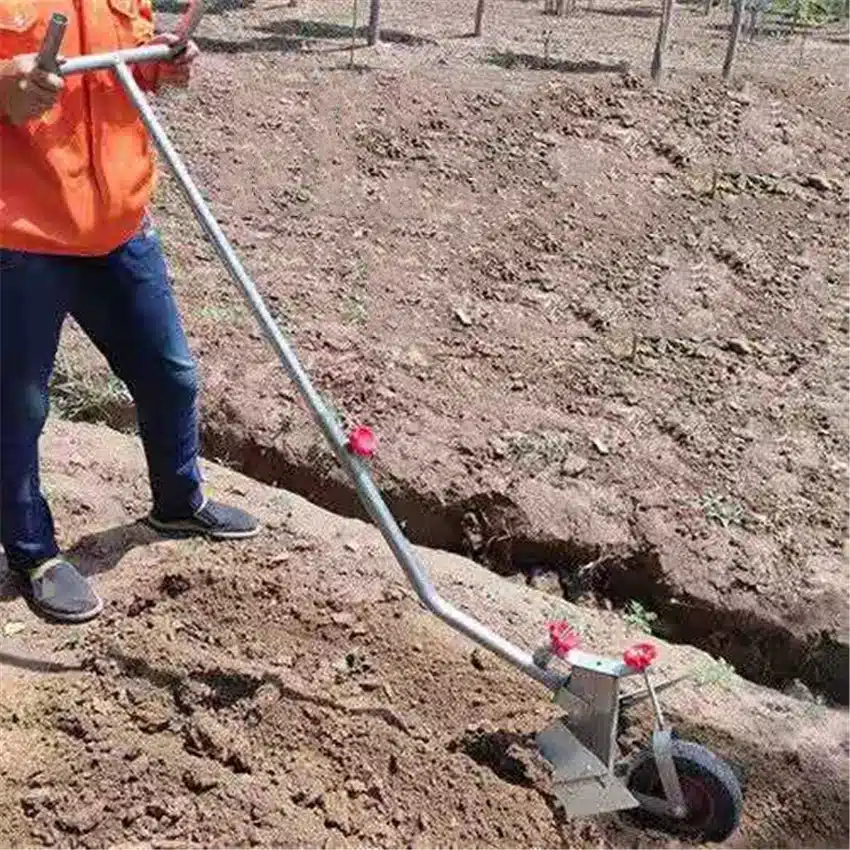
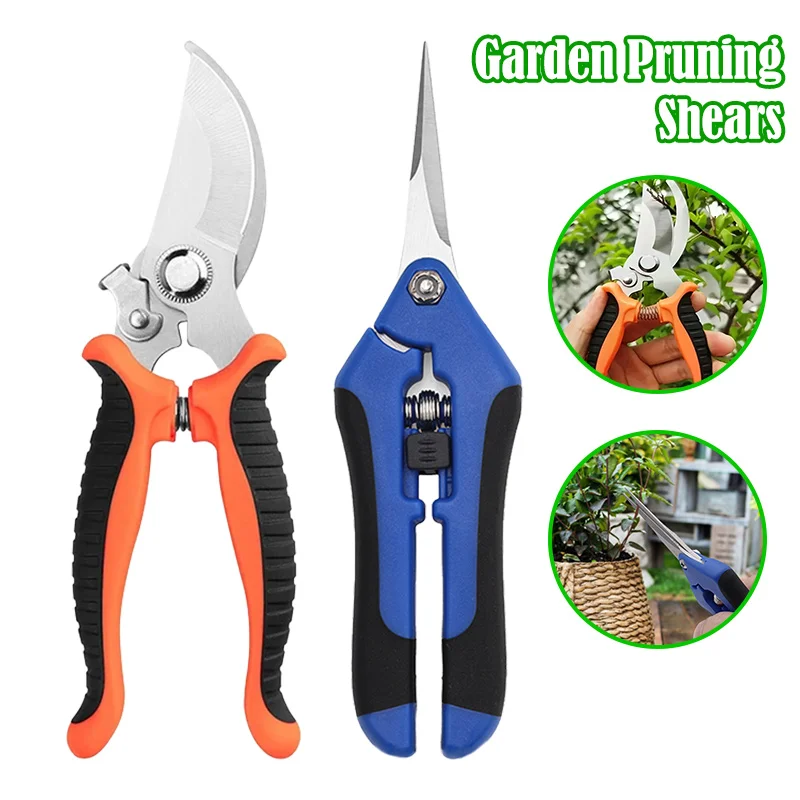
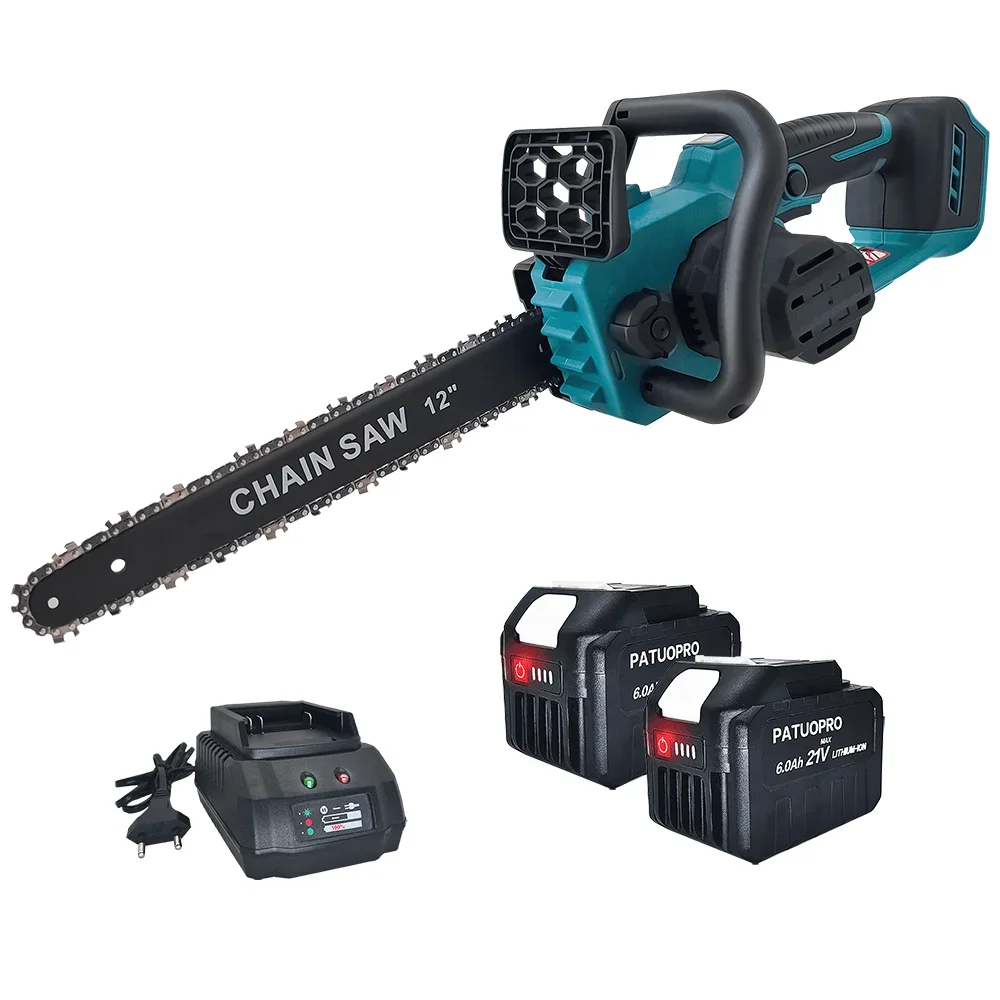
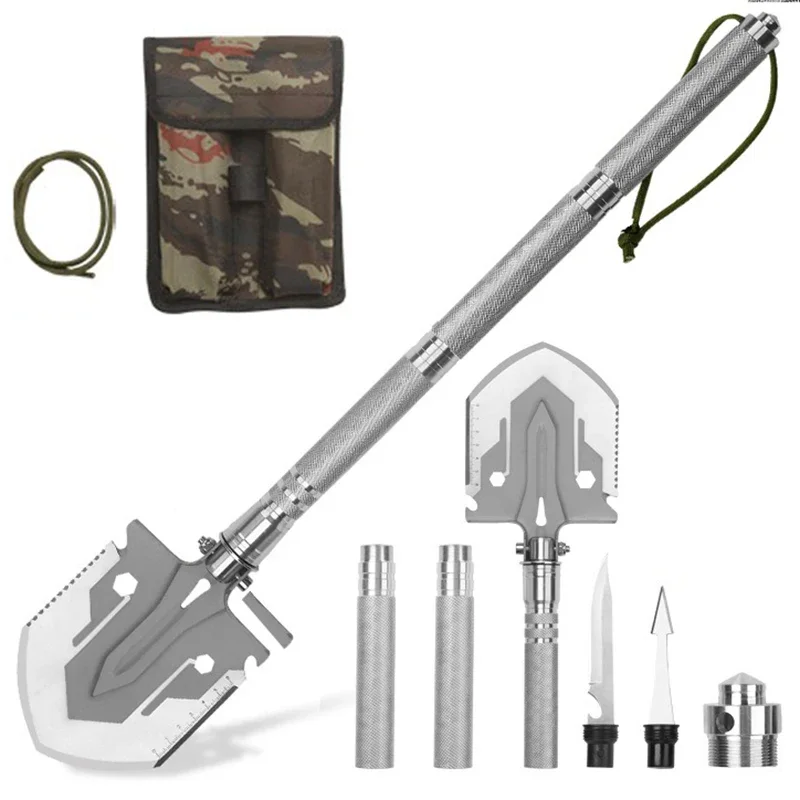
Ready to upgrade your outdoor toolkit? Explore these best outdoor picks and more at Goldoma—curated for quality, built for real life.
