
Blog
The Best Pots and Pans for Every Home Cook
Buying Guide
Find the Best Pots and Pans for Your Kitchen
Looking for the best pots and pans can feel overwhelming, but with the right knowledge, you can find cookware that lasts. The best pots and pans combine heat distribution, durability, and ease of use.
Understanding the Best Pots and Pans Materials
When shopping for the best pots and pans, the material is the first decision. Stainless steel offers durability and even heating, while non-stick coatings make cleanup a breeze. Cast iron retains heat beautifully for searing and baking. Each material has its strengths, so consider your cooking style.
- Stainless steel: durable, oven-safe, requires some oil to prevent sticking.
- Non-stick: easy cleanup, low-fat cooking, but coatings can wear over time.
- Cast iron: excellent heat retention, naturally non-stick when seasoned, heavy.
- Copper: superior conductivity, expensive, needs polishing.
For most home cooks, a combination of stainless steel and non-stick covers all bases. The best pots and pans set often includes both types.
Key Features to Look for in the Best Pots and Pans
Beyond material, consider the construction. Tri-ply or multi-clad bases ensure even heat distribution, preventing hot spots. Riveted handles stay secure, and lids with tight seals trap steam. Oven-safe handles are a plus for recipes that start on the stove and finish in the oven. Weight matters too—heavier pans feel sturdy but can be hard to handle. The best pots and pans balance weight with ergonomics.
Handle Types
- Stainless steel handles: durable, stay cool on stovetop but hot in oven.
- Silicone-wrapped: comfortable grip, oven-safe to moderate temperatures.
- Cast iron handles: get very hot, always use a mitt.
Remember: the best pots and pans are those you enjoy using daily. Don’t overlook comfort.
Non-Stick Cookware: Pros and Cons
Non-stick pans are ideal for eggs, pancakes, and delicate fish. Modern coatings are PTFE-free and more scratch-resistant. However, they can’t handle high heat well—stick to medium or low. The best pots and pans with non-stick surfaces last longer if you use wooden or silicone utensils. Avoid metal utensils and stacking without protectors.
For a reliable non-stick option, consider the science behind non-stick surfaces to understand their limitations.
Stainless Steel: The Workhorse of the Kitchen
Stainless steel is prized for its durability and reactivity with acidic foods (it won’t react). It’s dishwasher-safe and oven-safe to high temperatures. The best pots and pans in stainless steel often have an aluminum or copper core for better heat distribution. Look for a thick, heavy base—thin pans warp and heat unevenly. Stainless steel requires a bit of technique: preheat the pan, add oil, then food to prevent sticking.
Cast Iron and Carbon Steel: Time-Tested Favorites
Cast iron skillets are nearly indestructible and get better with age. They’re perfect for searing, frying, baking cornbread, and even camping. The best pots and pans in cast iron are pre-seasoned and ready to use. Carbon steel is lighter and heats faster, favored by wok users. Both require seasoning to maintain non-stick properties. They can be used on any cooktop, including induction.
Cookware Sets vs. Individual Pieces
Buying a set can save money and ensure matching lids, but you may end up with pieces you never use. The best pots and pans strategy is to start with a 10-inch skillet, a 3-quart saucepan, and a stockpot. Add specialty pieces as needed. Sets often include unnecessary items like a small saucepan or a deep fryer. Evaluate your cooking habits before committing.
Caring for Your Best Pots and Pans
Proper care extends the life of your cookware. For non-stick, hand wash with mild soap and a soft sponge. Stainless steel can go in the dishwasher, but hand drying prevents water spots. Cast iron should be dried immediately and oiled lightly after each use. Avoid thermal shock—don’t plunge a hot pan into cold water. The best pots and pans reward gentle treatment.
- Use appropriate utensils (wood, silicone, or nylon for non-stick).
- Store with protectors to prevent scratches.
- Season cast iron regularly to maintain its non-stick surface.
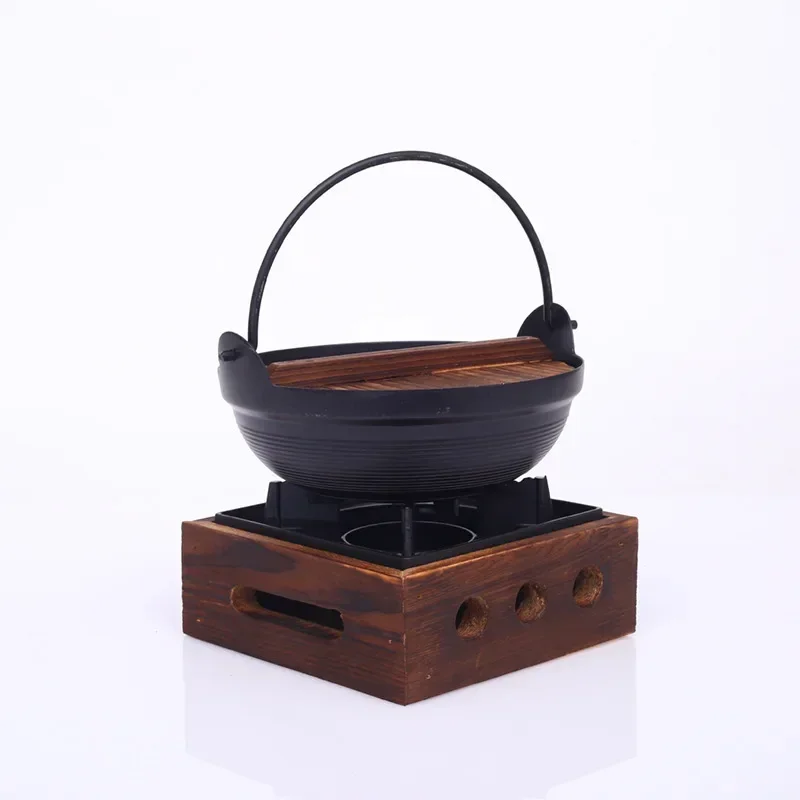
Pots for Kitchen Utensil Non Stick Pots for Cooking Set Cookware Accessories Sets Pan Pot Non-stick Kit Utensils Nonstick Dining
For a reliable non-stick option, the Pots for Kitchen Utensil Non Stick Pots for Cooking Set Cookware Accessories Sets Pan Pot Non-stick Kit Utensils Nonstick Dining offers a complete set with durable coating and even heating.
Frequently asked questions
What is the best material for pots and pans?
It depends on your cooking needs. Stainless steel is durable and versatile, non-stick is great for low-fat cooking, and cast iron excels at heat retention. Many cooks prefer a mix.
How often should I replace non-stick pans?
Typically every 2-3 years, or sooner if the coating starts to peel or scratch. Using proper utensils and hand washing can extend their life.
Are expensive pots and pans worth it?
Higher-priced cookware often offers better materials, construction, and heat distribution, which can improve cooking results and durability. But mid-range options can also perform well.
Can I use metal utensils on non-stick pans?
No, metal utensils can scratch and damage the non-stick coating. Use wooden, silicone, or nylon utensils instead.
