
Blog
The Best Santoku Knife: A Buyer’s Guide for Home Cooks
Kitchen Gear
Finding the Best Santoku Knife for Your Kitchen
Searching for the best santoku knife can feel overwhelming with so many options, but understanding a few key features makes the choice clear. This guide will help you cut through the noise.
What Makes the Best Santoku Knife?
A santoku knife is a Japanese-style all-purpose blade designed for slicing, dicing, and chopping. The best santoku knife combines a sharp edge, comfortable handle, and durable steel. Look for a blade around 7 inches long—shorter than a chef’s knife but more agile. The flat edge and sheepsfoot tip allow for precise cuts and easy rock-chopping.
Key Features to Consider
Blade Steel
Stainless steel is common for its rust resistance and ease of sharpening. High-carbon stainless steel offers better edge retention. For a balance of performance and value, many home cooks prefer a blade with 56-58 Rockwell hardness.
Handle Ergonomics
A comfortable, non-slip handle reduces fatigue. Look for materials like Pakkawood or synthetic composites that offer grip and durability. The handle should feel balanced in your hand.
Weight and Balance
A well-balanced knife feels heavier in the handle than the blade. This balance improves control and reduces wrist strain. The best santoku knife for you should feel like a natural extension of your arm.
How to Care for Your Santoku Knife
Proper care extends the life of any knife. Hand wash with mild soap and dry immediately. Avoid dishwasher use—high heat and harsh detergents damage the blade and handle. Store in a knife block or magnetic strip to protect the edge.
Regular honing with a ceramic rod keeps the edge aligned. For sharpening, use a whetstone or take it to a professional. A sharp knife is safer than a dull one because it requires less force.
Santoku vs. Chef’s Knife: Which Is Better?
The santoku’s shorter, thinner blade excels at precision work like slicing vegetables and fish. A chef’s knife is better for heavy tasks like breaking down squash or cutting through bone. For everyday cooking, many consider the santoku the best santoku knife for its versatility.
Budget and Value
You can find good santoku knives for under $50, but investing in a quality blade pays off. Mid-range options ($50-$150) often offer the best balance of performance and price. Look for full tang construction and heat-treated steel.
For more on knife anatomy, see this Wikipedia article on kitchen knives.
Final Thoughts on Choosing the Best Santoku Knife
Consider your cooking style, hand size, and budget. The best santoku knife is one that feels right in your hand and performs well for your tasks. Prioritize a sharp blade, comfortable handle, and durable construction.
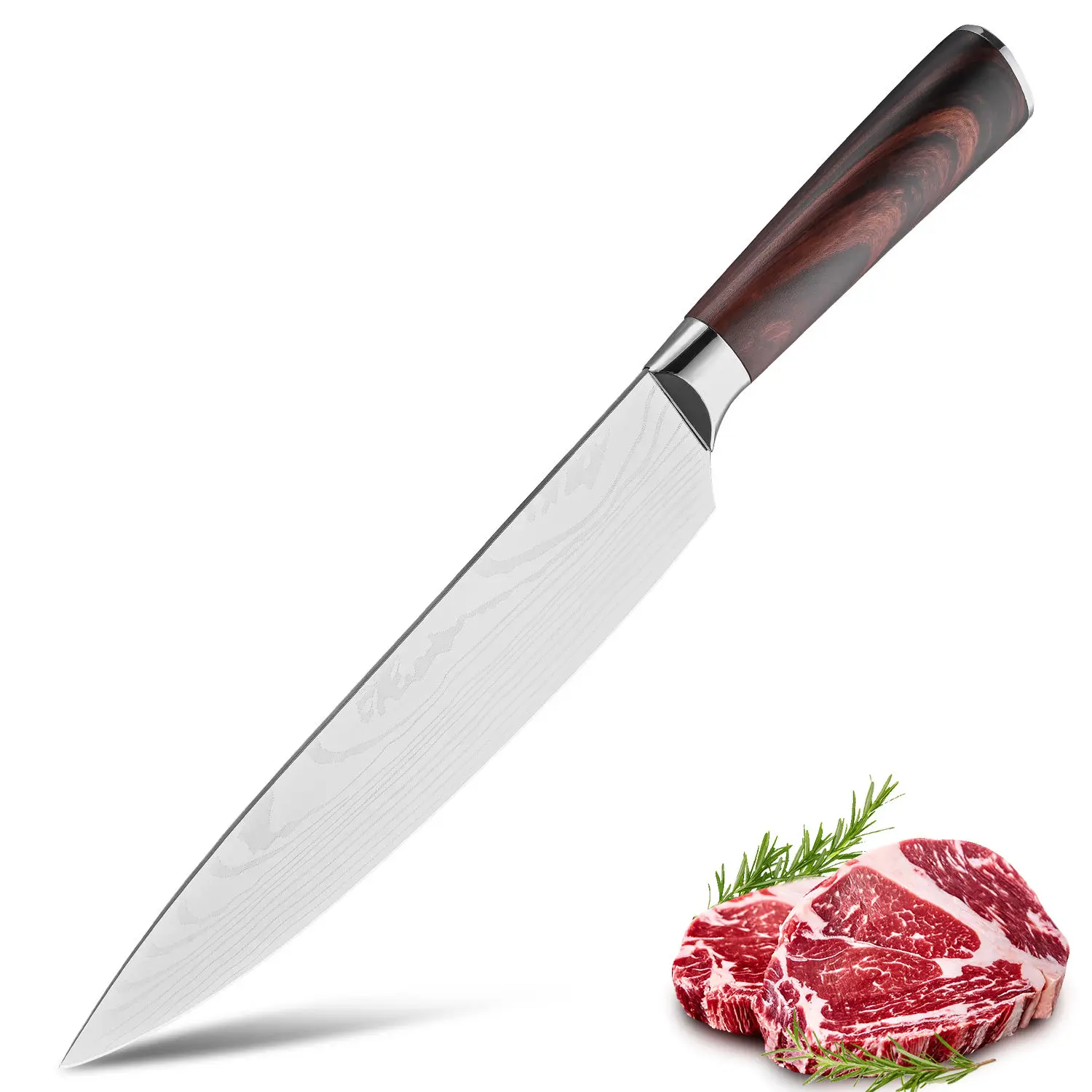
Factory Outlet Stainless Steel Japanese Santoku Knife 8 Inch Professional Kitchen Chef Knife
For a reliable option, consider the Factory Outlet Stainless Steel Japanese Santoku Knife 8 Inch Professional Kitchen Chef Knife, which offers a sharp stainless steel blade and ergonomic handle at a fair price.
Frequently asked questions
What is a santoku knife used for?
A santoku knife is an all-purpose kitchen knife ideal for slicing, dicing, and chopping vegetables, fish, and boneless meats. Its name means ‘three virtues,’ referring to its ability to handle three common cutting tasks.
How is a santoku different from a chef’s knife?
Santoku knives are typically shorter (5-7 inches) with a flatter edge and a sheepsfoot tip, making them more agile for precision cuts. Chef’s knives have a curved edge for rocking chops and are better for heavy-duty tasks.
How do I sharpen a santoku knife?
Use a whetstone with grits from 1000 to 6000. Hold the blade at a 15-degree angle and draw across the stone. Alternatively, take it to a professional sharpener. Regular honing maintains the edge.
Can I put a santoku knife in the dishwasher?
No. Dishwashers can dull the blade, damage the handle, and cause rust. Always hand wash with mild soap and dry immediately.
