
Blog
The Best Titanium Skillet: A Complete Buying Guide
Cookware Guide
How to Choose the Best Titanium Skillet
Finding the best titanium skillet can transform your cooking experience, offering a lightweight, nonstick alternative to traditional pans. Whether you’re searing a steak or flipping an egg, this guide helps you pick the right one.
Why a Titanium Skillet Might Be the Best Choice
Titanium cookware has gained a loyal following among home cooks and professionals alike. Unlike traditional nonstick pans that rely on chemical coatings, titanium skillets offer a naturally slick surface without PTFE or PFOA. This makes them a safer option for high-heat cooking, as they won’t release harmful fumes even if accidentally overheated. Additionally, titanium is incredibly durable—resistant to scratches, corrosion, and warping. For those seeking a pan that lasts for years, a titanium skillet is a worthy investment.
Key Features of the Best Titanium Skillet
Weight and Handling
Titanium is famously lightweight, often half the weight of stainless steel or cast iron. This makes it easy to maneuver, especially when tossing vegetables or flipping pancakes. However, some models add a layer of aluminum or copper for better heat distribution, which can increase weight slightly. The best titanium skillet balances lightness with even heating.
Nonstick Performance
While titanium itself is not inherently nonstick, many pans are treated with a titanium-reinforced coating or a ceramic layer. These coatings provide excellent release properties without toxic chemicals. Over time, the nonstick performance may diminish, but proper care—like using silicone utensils and avoiding high heat—extends the lifespan.
Heat Conductivity
Pure titanium is a poor heat conductor, so manufacturers often bond it with a conductive core (e.g., aluminum or copper). This ensures even heating and prevents hot spots. Look for pans with a multi-layer base if you plan to use them on gas, electric, or induction cooktops.
Comparing Titanium Skillets to Other Materials
To understand what makes the best titanium skillet, it helps to compare it with common alternatives:
- Stainless Steel: Heavier, excellent heat retention, but prone to sticking. Titanium is lighter and more nonstick.
- Cast Iron: Extremely durable, retains heat well, but heavy and requires seasoning. Titanium is easier to maintain and lighter.
- Nonstick (PTFE): Great for low-fat cooking, but coatings can degrade and release toxins at high heat. Titanium offers a safer, longer-lasting nonstick surface.
For most home cooks, a titanium skillet strikes the perfect balance between performance and convenience.
How to Care for Your Titanium Skillet
Proper maintenance ensures your pan stays in top shape. Avoid metal utensils that can scratch the surface; opt for wood, silicone, or nylon. Wash with mild soap and a soft sponge—never use abrasive cleaners or steel wool. Most titanium skillets are dishwasher safe, but hand washing prolongs the nonstick coating. Store with a protective liner if stacking to prevent scratches.
What to Look for When Buying the Best Titanium Skillet
- Compatibility: Ensure the pan works with your cooktop (gas, electric, induction). Many titanium skillets are induction-compatible if they have a magnetic base.
- Size: 10-12 inches is versatile for most tasks like frying eggs, searing meats, or sautéing vegetables.
- Handle: Look for ergonomic, stay-cool handles that are riveted for durability.
- Oven Safety: Check the maximum oven temperature if you plan to finish dishes in the oven.
Reading reviews and checking for certifications (like FDA or LFGB) can also guide you to a quality product.
Environmental and Health Considerations
Titanium is a naturally abundant metal that is biocompatible and non-toxic. Unlike some nonstick coatings that can flake off into food, a well-made titanium skillet is safe for daily use. Additionally, because titanium pans last longer, they reduce waste compared to cheap nonstick pans that need frequent replacement. For eco-conscious cooks, this is a significant advantage.
For more on the safety of cookware materials, you can read about non-stick surfaces on Wikipedia.
Final Thoughts on Choosing Your Skillet
Ultimately, the best titanium skillet for you depends on your cooking style and priorities. If you value lightweight handling, safety, and durability, a titanium skillet is an excellent addition to your kitchen. Take your time to compare features, read user experiences, and consider how the pan fits into your daily routine. With the right choice, you’ll enjoy effortless cooking and easy cleanup for years to come.
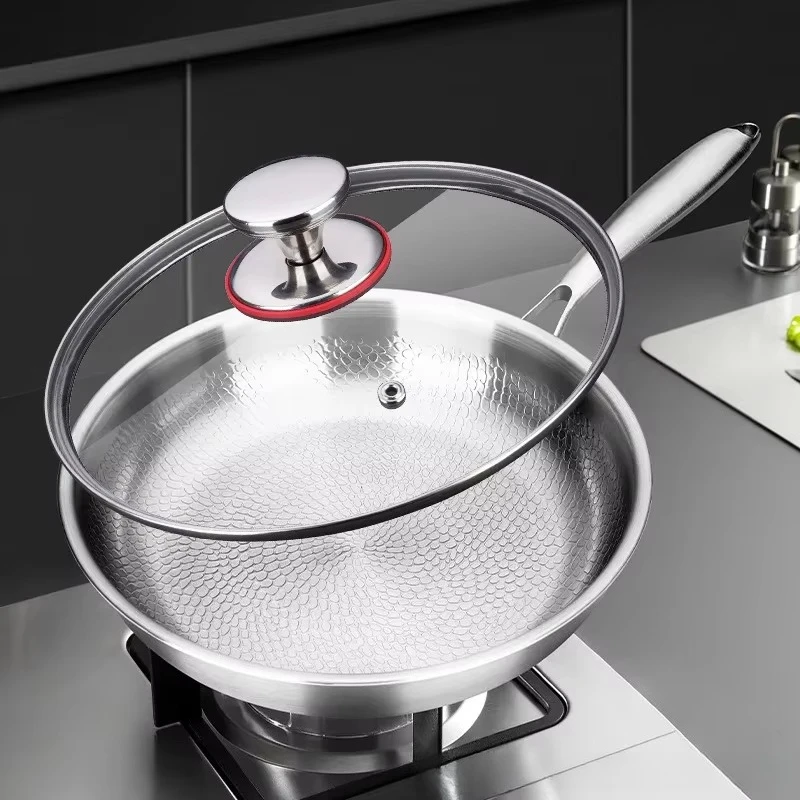
Titanium frying pan uncoated household fried egg fried steak pan thickened soldering pan gas stove induction cooker universal
For a reliable option, consider our Titanium frying pan uncoated household fried egg fried steak pan thickened soldering pan gas stove induction cooker universal, which combines durability with versatile cooktop compatibility.
Frequently asked questions
Is a titanium skillet truly nonstick?
Titanium skillets often have a nonstick coating (like ceramic or titanium-reinforced) that provides excellent release. Pure titanium is not nonstick, but the added coating makes it comparable to traditional nonstick pans without the health concerns.
Can I use metal utensils on a titanium skillet?
It’s best to avoid metal utensils as they can scratch the nonstick coating. Use wood, silicone, or nylon utensils to preserve the surface.
Are titanium skillets induction compatible?
Not all titanium skillets work on induction cooktops. Look for models with a magnetic stainless steel base if you need induction compatibility.
How does a titanium skillet compare to cast iron?
Titanium is much lighter and easier to handle, while cast iron retains heat longer. Titanium also doesn’t require seasoning and is naturally nonstick, making it lower maintenance.
