
Blog
The Best Umbrellas for Every Outdoor Space: Our Top 6 Picks
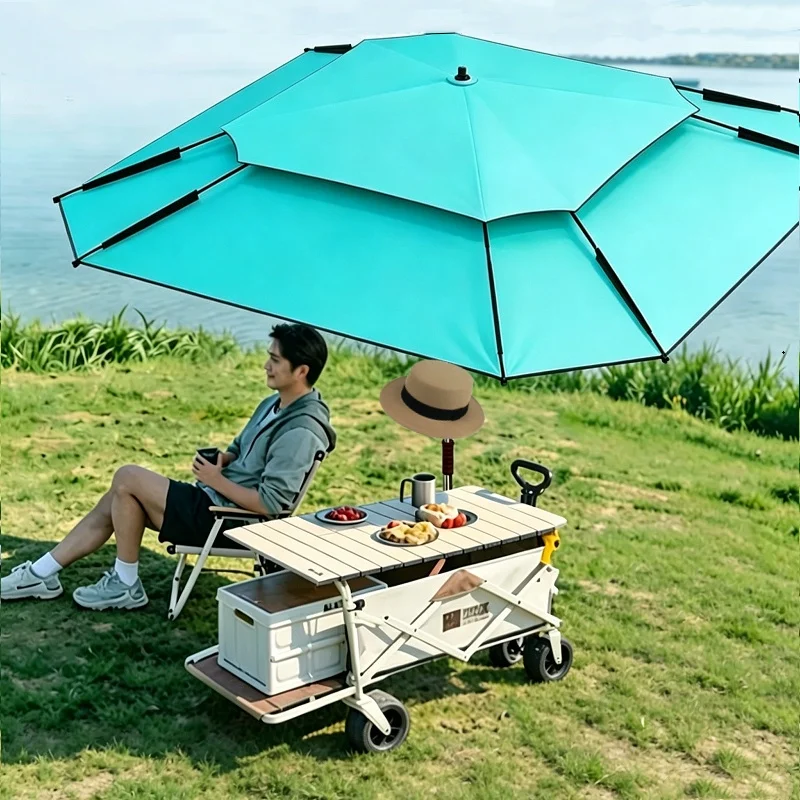
A good umbrella is the unsung hero of outdoor living. It transforms a sunny patio into a cool retreat, a windy beach day into a comfortable escape, and a plain garden into a stylish destination. But with so many shapes, sizes, and materials out there, finding the best umbrella for your needs can feel overwhelming. At Goldoma, we’ve curated a selection of top-quality umbrellas and bases to suit every space and style. In this guide, we’ll walk you through what to look for—from canopy size and fabric to base stability—and share our six favourite picks for 2026. Whether you’re shading a small balcony or a sprawling backyard, we’ve got you covered.
How to Choose the Right Umbrella Size and Shape
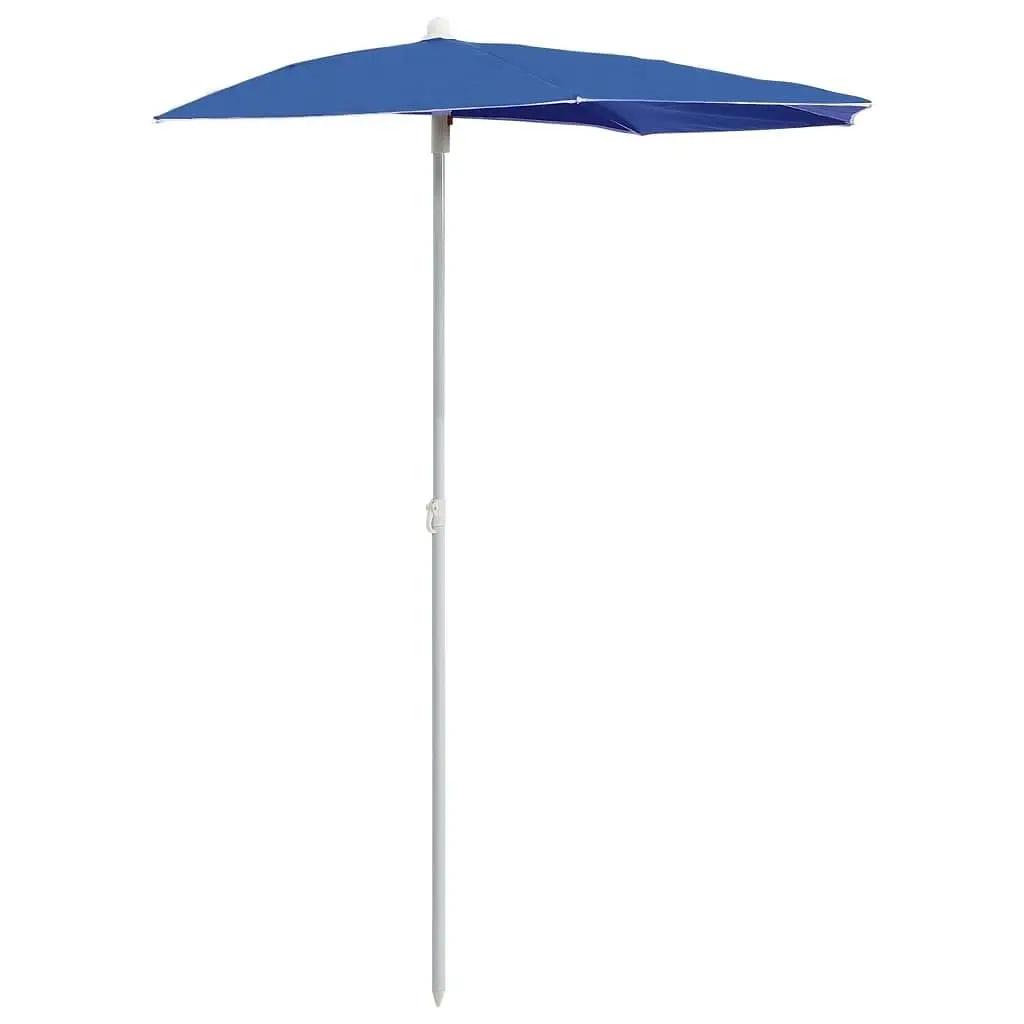
The first step in finding your perfect umbrella is determining the size you need. Umbrellas are measured by canopy diameter, and the right size depends on your table and seating area. As a rule of thumb, your umbrella canopy should extend at least 2 feet beyond the edge of your table to provide adequate shade. For a small bistro set, a 2m (6.5ft) umbrella is sufficient. For a standard dining table that seats four to six, aim for a 2.5m to 3m (8-10ft) canopy. Larger families or those with big outdoor sofas may prefer a 3.5m (11ft) or even a cantilever style. Shape also matters: octagonal umbrellas offer a classic look and good coverage, while rectangular ones suit long tables. Consider your space—if you have a narrow balcony, a smaller round or octagonal umbrella will fit better than a sprawling rectangular one.
Materials Matter: Canopy Fabrics and Frame Construction
The fabric of your umbrella canopy determines its durability, fade resistance, and weather protection. Polyester is the most common and offers a good balance of affordability and performance. Look for solution-dyed or UV-resistant polyester for longer colour retention. Olefin and acrylic fabrics are premium options with superior fade and mildew resistance. For frames, aluminium is lightweight and rust-resistant, ideal for portable umbrellas. Steel is heavier and more durable but can rust if not powder-coated. Wood offers a traditional aesthetic but requires more maintenance. Always check the pole diameter—thicker poles (38mm+) provide better stability. The rib count also matters: more ribs (8 or more) mean better wind resistance and a more tailored look.
Base Stability: The Foundation of a Safe Umbrella
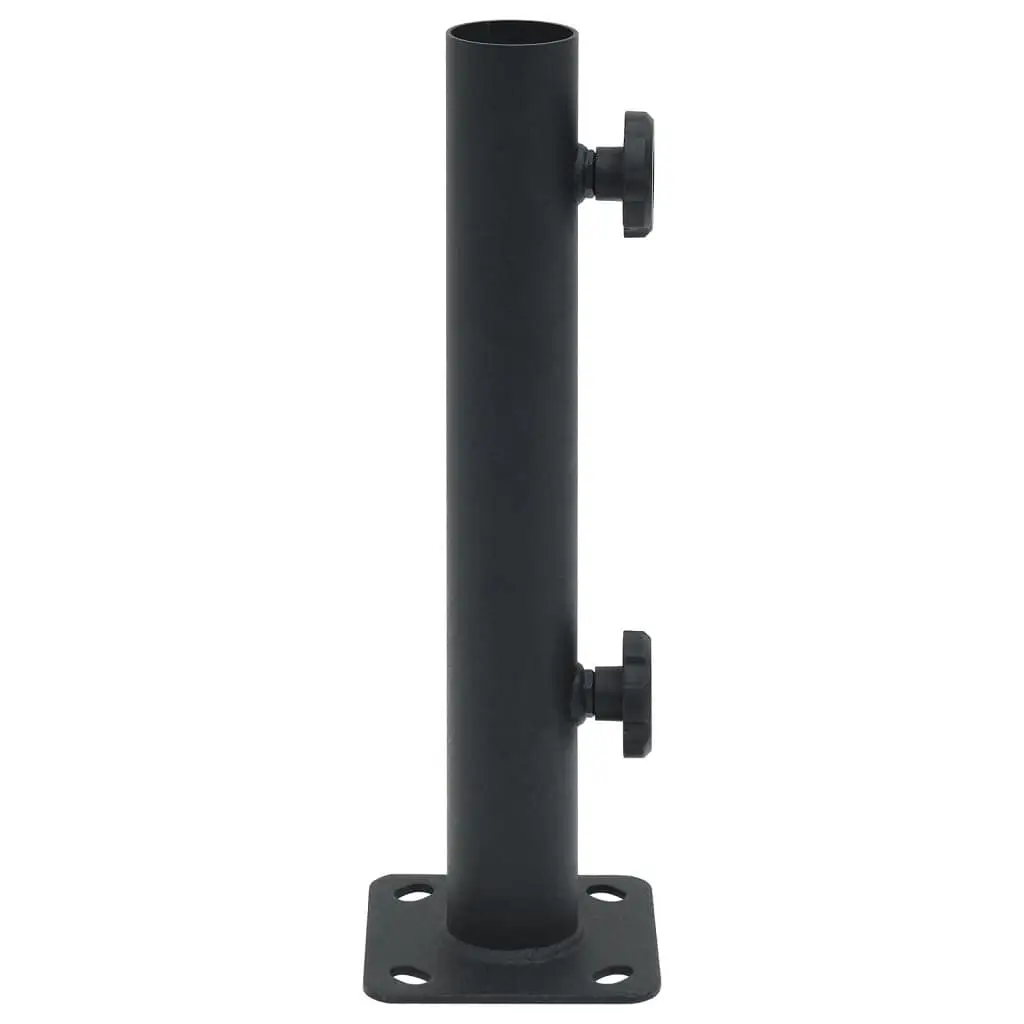
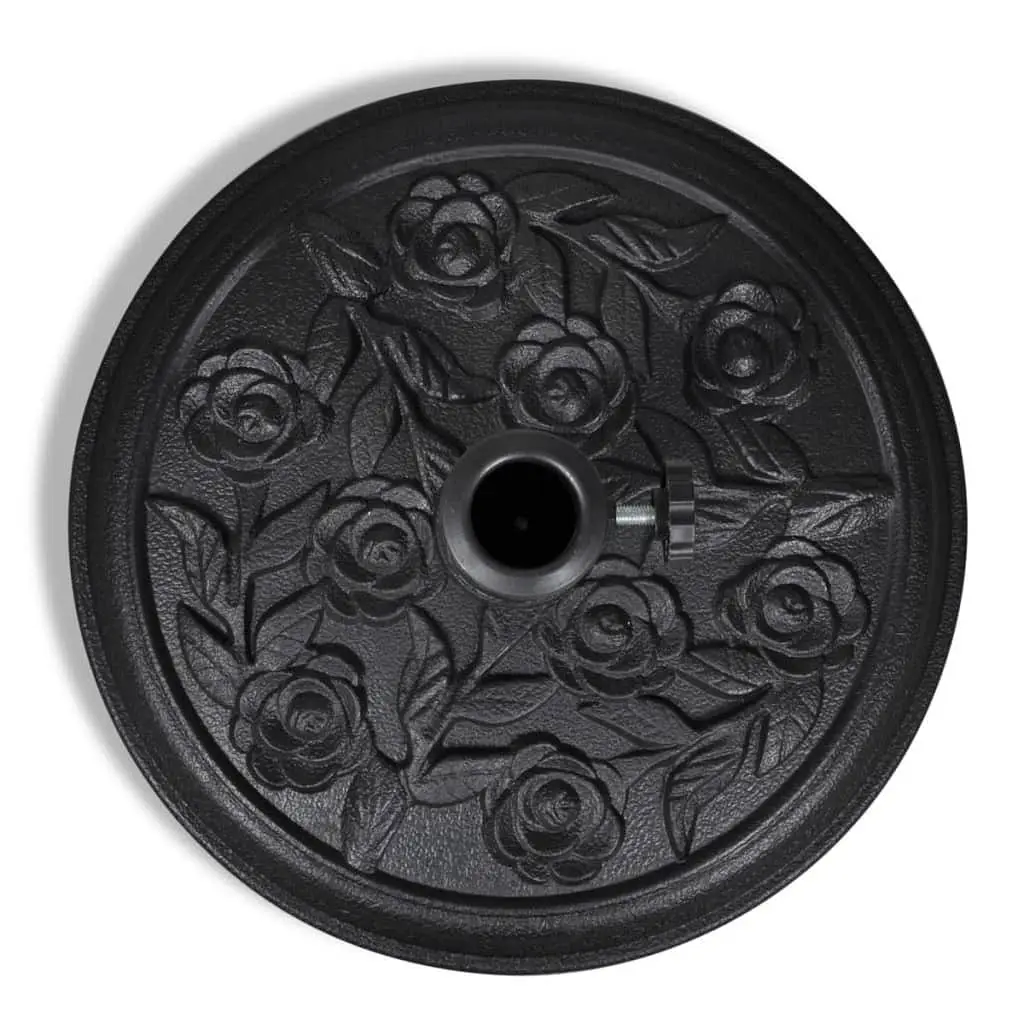
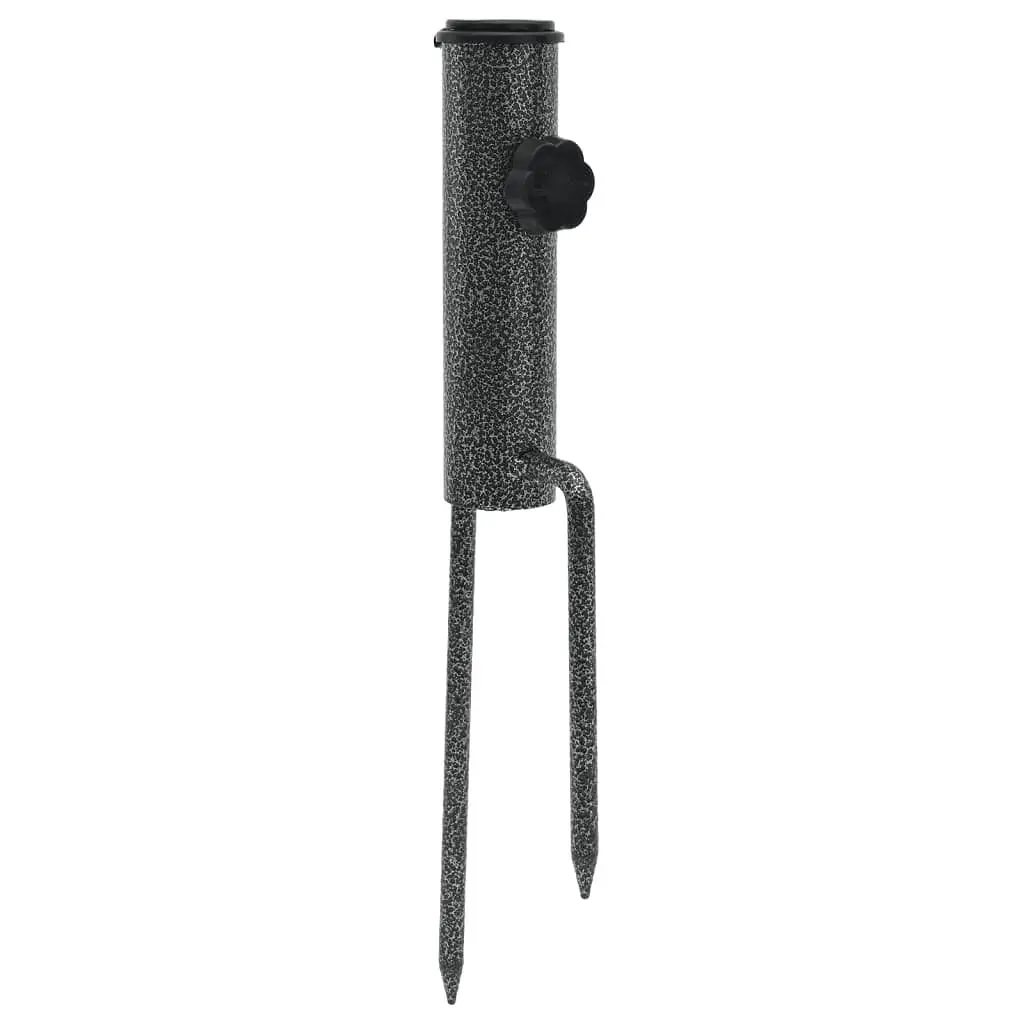
Even the best umbrella is useless without a stable base. The base you choose must be heavy enough to withstand wind gusts and keep your umbrella upright. For a standard 2.5m umbrella, a base weighing at least 20-25kg is recommended. For larger canopies or windy locations, go heavier—40kg or more. Bases come in various materials: resin, concrete, granite, and steel. Resin bases are weather-resistant and often have wheels for easy movement. Steel bases are sleek but can rust if chipped. Some bases are designed to be filled with water or sand, offering adjustable weight. Always match the base’s pole diameter to your umbrella’s pole. If you have a cantilever umbrella, ensure the base is compatible and heavy enough to prevent tipping. Remember, a heavy base is a safe base.
Styles and Features: From Classic to Cantilever
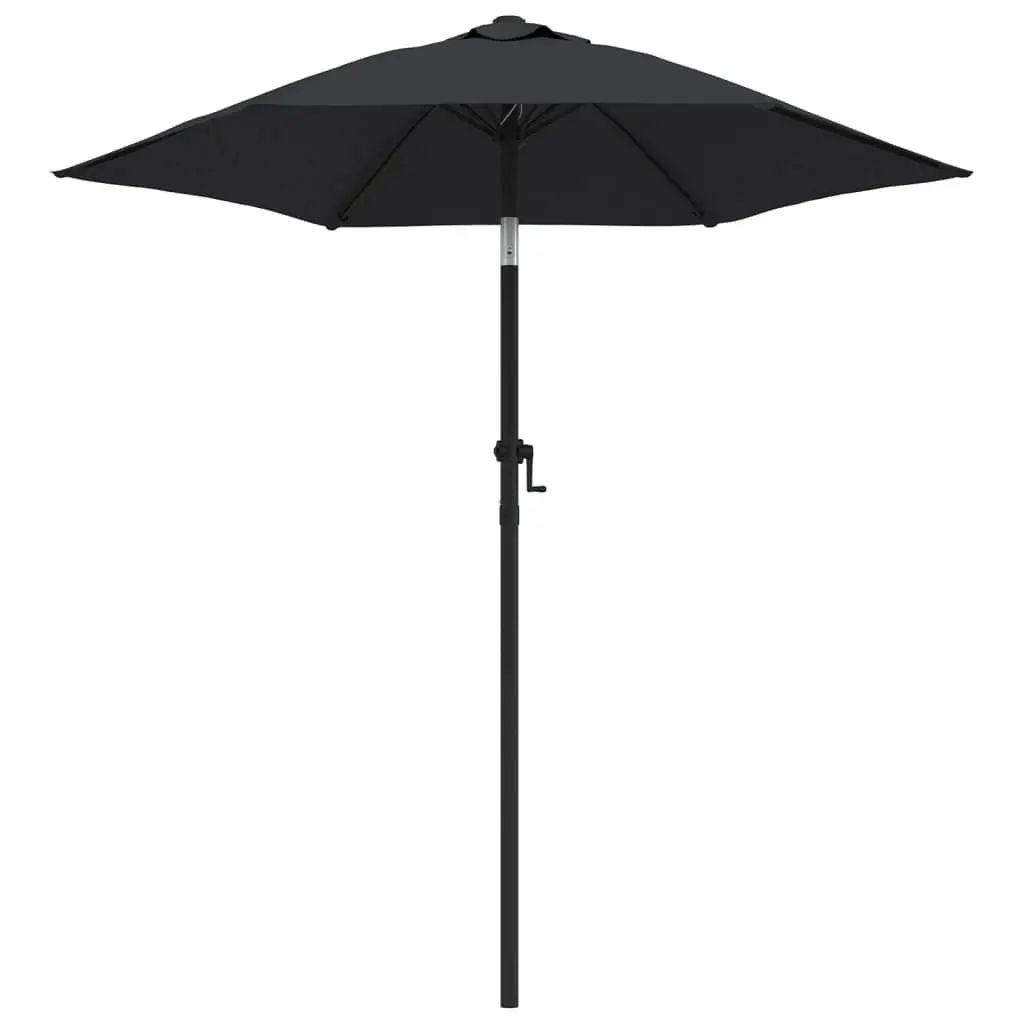
Umbrellas come in several styles to suit different needs. The classic market umbrella is the most common, with a central pole that fits through a table hole. It’s simple, stable, and ideal for dining sets. Cantilever umbrellas have an offset pole and a hanging canopy, providing shade without a center pole—perfect for lounging areas. Beach umbrellas are typically smaller, lightweight, and often tilt to follow the sun. For fishing or sports, you’ll find specialized umbrellas with larger canopies and sturdy anchoring systems. Features like tilt mechanisms, crank lifts, and wind vents add convenience and durability. A wind vent at the top allows hot air to escape and reduces wind pressure, preventing the umbrella from flipping inside out. If you want to use your umbrella in the evening, consider one with a built-in light or a solar-powered option.
Care and Maintenance: Keeping Your Umbrella in Top Shape
To extend the life of your umbrella, proper care is essential. Always close your umbrella when not in use, especially during windy conditions or heavy rain. Store it in a dry place during off-season months. Clean the canopy regularly with a mild soap solution and a soft brush to remove dirt and bird droppings. Avoid harsh chemicals that can damage the fabric’s UV coating. For metal frames, check for rust and touch up any scratches with matching paint. Lubricate moving parts like the crank and tilt mechanism with silicone spray. If your umbrella gets wet, allow it to dry fully before storing to prevent mildew. With a little maintenance, a quality umbrella can last for many seasons.
Our Top Picks
Ready to find your perfect umbrella? Explore our full collection at Goldoma and enjoy free shipping on orders over $50.
