
Blog
The Ultimate Guide to Choosing a Bread Loaf Pan
Baking Essentials
Find Your Perfect Bread Loaf Pan Today
Choosing the right bread loaf pan can make all the difference in your baking results. Whether you’re a novice or a seasoned baker, understanding the options helps you bake consistently great loaves.
Why the Right Bread Loaf Pan Matters
A bread loaf pan is more than just a container; it shapes your bread, conducts heat, and affects crust and crumb. The wrong pan can lead to uneven baking or sticking. Investing in a quality pan ensures your loaves rise beautifully and release easily.
Materials: Glass, Metal, or Ceramic?
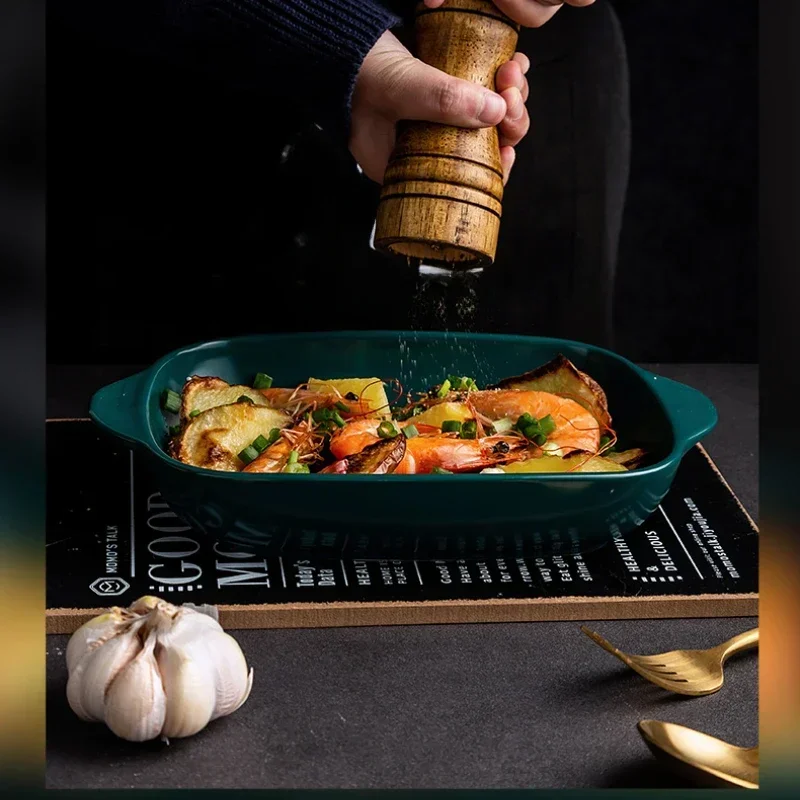
Each material has pros and cons. Metal pans (aluminum or steel) heat quickly and promote browning. Glass pans bake evenly but may require lower oven temperatures. Ceramic pans, like our Bread Pan for Baking Tools and Accessories Oven Tray Kitchen Utensil Porcelain Dishes Cooking Utensils Bakeware Ceramic Pans Bar, offer excellent heat retention and a non-stick surface without chemical coatings. Learn more about bread pan history on Wikipedia.
Size and Capacity: Standard vs. Mini
Most recipes call for a 9×5-inch loaf pan, but 8×4-inch pans work for smaller batches. Consider your oven space and serving needs. Mini pans are great for gifts or portion control. Always check recipe recommendations.
Non-Stick Coatings and Alternatives
Non-stick coatings simplify release but may wear over time. Uncoated metal pans require greasing and flouring. Ceramic and stoneware naturally resist sticking, making them a low-maintenance choice.
Shapes and Specialty Pans
Beyond the classic rectangle, consider Pullman pans for square slices or pans with ridges for artisan-style loaves. Specialty shapes add visual appeal but may need recipe adjustments.
Caring for Your Bread Loaf Pan
Hand wash with mild soap and dry immediately. Avoid metal utensils to prevent scratches. Season uncoated metal pans occasionally. Store in a dry place to prevent rust.
Top Tips for Perfect Loaves Every Time
- Preheat your pan for even baking.
- Use parchment paper for easy removal.
- Cool bread completely before slicing.
Bread Pan for Baking Tools and Accessories Oven Tray Kitchen Utensil Porcelain Dishes Cooking Utensils Bakeware Ceramic Pans Bar
For a reliable, non-stick option, consider the ceramic Bread Pan for Baking Tools and Accessories Oven Tray Kitchen Utensil Porcelain Dishes Cooking Utensils Bakeware Ceramic Pans Bar, which distributes heat evenly and releases loaves effortlessly.
Frequently asked questions
What size bread loaf pan should I use?
Standard 9×5-inch pans suit most recipes. For denser breads, an 8×4-inch pan works well. Mini pans are ideal for quick breads or gifts.
How do I prevent bread from sticking?
Grease the pan thoroughly with butter or oil, then dust with flour. Using parchment paper or a non-stick ceramic pan also helps.
Can I use a glass pan for bread?
Yes, but reduce oven temperature by 25°F to avoid over-browning. Glass heats evenly but may produce a softer crust.
How do I clean a ceramic bread loaf pan?
Hand wash with warm, soapy water and a soft sponge. Avoid abrasive scrubbers. Most ceramic pans are dishwasher safe, but check manufacturer instructions.
