
Blog
How to Choose the Perfect Bread Loaf Pan
Baking Essentials
Your Ultimate Bread Loaf Pan Guide
Choosing the right bread loaf pan can make or break your baking experience. Whether you’re a beginner or a seasoned baker, the pan you use directly impacts the rise, crust, and crumb of your bread.
Why the Right Bread Loaf Pan Matters
The bread loaf pan is more than just a vessel—it’s a critical tool that affects heat distribution, browning, and structure. A quality pan ensures even baking, preventing burnt edges or a soggy center. Understanding the nuances of different pans helps you achieve bakery-quality results at home.
Materials: Metal vs. Glass vs. Ceramic
Each material brings unique properties. Metal pans, especially aluminum or steel, heat up quickly and conduct heat evenly, ideal for a crispy crust. Glass pans heat more slowly but retain heat well, leading to softer sides. Ceramic pans offer even heat distribution and a non-reactive surface, perfect for delicate doughs. For a balance of functionality and aesthetics, consider ceramic options that can go from oven to table.
According to a study on heat transfer in bakeware, the material’s thermal conductivity significantly impacts baking time and crust formation. For more on heat transfer, see this Wikipedia article.
Size and Shape Considerations
Standard bread loaf pans come in 8.5×4.5-inch and 9×5-inch sizes. The larger pan works well for yeasted breads that need room to rise, while the smaller is great for denser loaves. Mini pans are perfect for individual servings or gifts. Always check your recipe’s recommended pan size to avoid overflow or underfilled pans.
Nonstick Coatings and Finishes
Nonstick pans are convenient for easy release, but coatings can wear over time. Uncoated metal pans require greasing but develop a natural patina. Ceramic and stoneware often have a naturally nonstick surface without synthetic coatings. Choose based on your preference for durability and ease of cleaning.
Tips for Maintaining Nonstick Pans
- Avoid metal utensils to prevent scratching.
- Hand wash with mild soap to preserve the coating.
- Store with parchment paper between stacked pans.
Baking Tips for Perfect Loaves
Regardless of your bread loaf pan, follow these tips: always grease the pan thoroughly, even if nonstick; let the dough rise until just below the rim; and cool the bread in the pan for 10 minutes before removing to avoid sticking. For enriched doughs, a lower oven temperature prevents over-browning.
Choosing the Right Pan for Your Oven
Consider your oven’s hot spots and size. Dark metal pans absorb more heat, leading to darker crusts; light metal reflects heat. Glass and ceramic are better for even baking in convection ovens. If your oven runs hot, reduce temperature by 25°F when using dark pans.
Conclusion: Invest in Quality
A well-made bread loaf pan is a long-term investment. Look for heavy-gauge materials, even thickness, and comfortable grips. While many options exist, the right pan will elevate your baking and last for years.
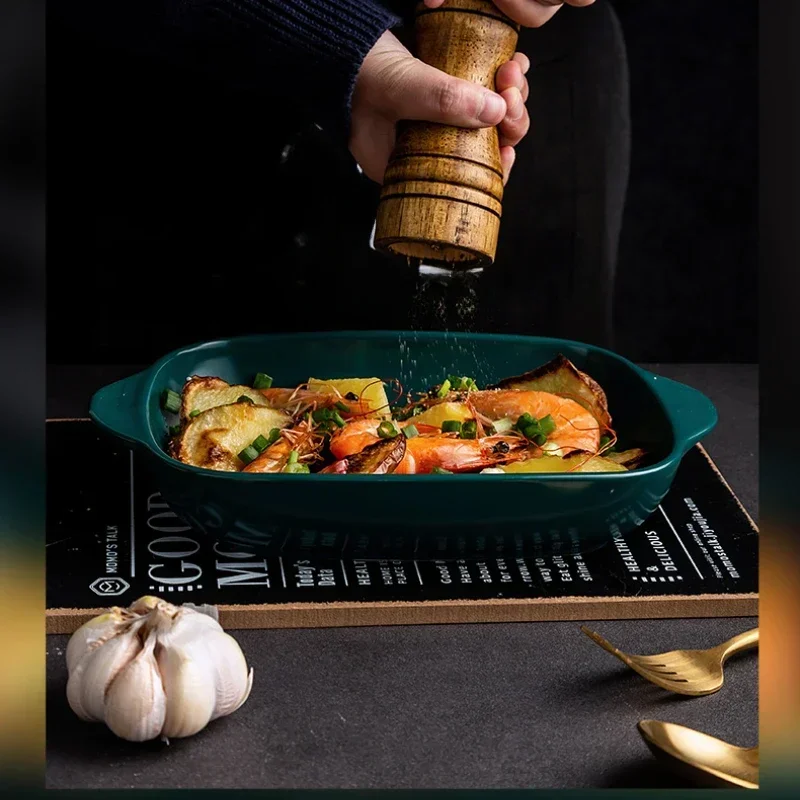
Bread Pan for Baking Tools and Accessories Oven Tray Kitchen Utensil Porcelain Dishes Cooking Utensils Bakeware Ceramic Pans Bar
For a versatile option, consider a ceramic bread loaf pan that transitions seamlessly from oven to table, offering even heat distribution and easy cleanup.
Frequently asked questions
What is the best material for a bread loaf pan?
It depends on your needs. Metal pans heat quickly and create crispy crusts; glass and ceramic offer even baking and are great for moist loaves. Ceramic also doubles as serving dishware.
How do I prevent bread from sticking to the pan?
Grease the pan thoroughly with butter or oil, or use parchment paper. Even nonstick pans benefit from a light coating to ensure easy release.
Can I use a glass pan instead of metal for bread?
Yes, but you may need to adjust baking time and temperature. Glass heats slower and retains heat, so reduce oven temperature by 25°F and check for doneness earlier.
What size bread loaf pan should I use for a standard recipe?
Most recipes call for a 9×5-inch pan. If your recipe specifies a different size, use that. Using the wrong size can cause overflow or dense loaves.