
Blog
The Ultimate Bread Loaf Pan Guide for Perfect Homemade Loaves
Baking Essentials
Choose the Right Bread Loaf Pan for Perfect Baking
A good bread loaf pan is the unsung hero of your kitchen, turning dough into golden, evenly baked loaves. Whether you’re a novice or a seasoned baker, the right pan makes all the difference.
Why the Bread Loaf Pan Matters
The humble bread loaf pan is more than just a container—it’s a tool that shapes your bread’s crust, crumb, and overall structure. A quality pan ensures even heat distribution, preventing burnt edges and undercooked centers. Investing in a good pan pays off loaf after loaf.
Key Features of a Great Bread Loaf Pan
- Material: Carbon steel and aluminized steel offer excellent heat conduction. Non-stick coatings ease release and cleanup.
- Size: Standard 9×5 inch pans are versatile for most recipes. Mini pans are great for gifts or portion control.
- Construction: Seamless, heavy-gauge pans resist warping and provide stability.
Non-Stick vs. Traditional
Non-stick surfaces reduce the need for greasing and make crust removal effortless. However, traditional uncoated pans can develop a natural patina over time, enhancing browning. Choose based on your preference for ease versus crust character.
How to Choose the Right Size and Shape
Standard bread loaf pans come in 8×4, 9×5, and 10×5 inches. For artisanal loaves, consider a Pullman pan with a lid for square slices. Mini loaf pans are ideal for quick breads and small batches. Always match pan volume to your recipe’s dough yield to avoid overflow or flat loaves.
Care and Maintenance Tips
- Hand wash with mild soap and dry immediately to prevent rust (for carbon steel).
- Avoid metal utensils on non-stick coatings; use silicone or wood.
- Season uncoated pans with oil after cleaning to maintain non-stick properties.
Proper care extends the life of your bread loaf pan and ensures consistent results.
Baking Techniques for Perfect Loaves
Preheat your pan for a crisp crust, or use cold dough for a softer texture. Grease the pan thoroughly even if non-stick, especially for lean doughs. Allow bread to cool in the pan for 10 minutes before transferring to a wire rack—this prevents soggy bottoms.
Top Materials Compared
- Carbon Steel: Heats quickly and evenly; develops seasoning over time. Durable and responsive.
- Aluminum: Lightweight and affordable but may warp at high temps.
- Silicone: Flexible and non-stick but browns less effectively.
- Glass: Allows monitoring of crust color but requires adjusted baking times.
For more on material science, see this Wikipedia article on baking.
Common Mistakes to Avoid
- Overfilling the pan—dough should rise 1/2 inch above the rim.
- Using cold pans for quick breads (causes uneven baking).
- Storing bread in the pan after cooling (traps moisture and softens crust).
Master these basics, and your bread loaf pan will deliver bakery-quality loaves at home.
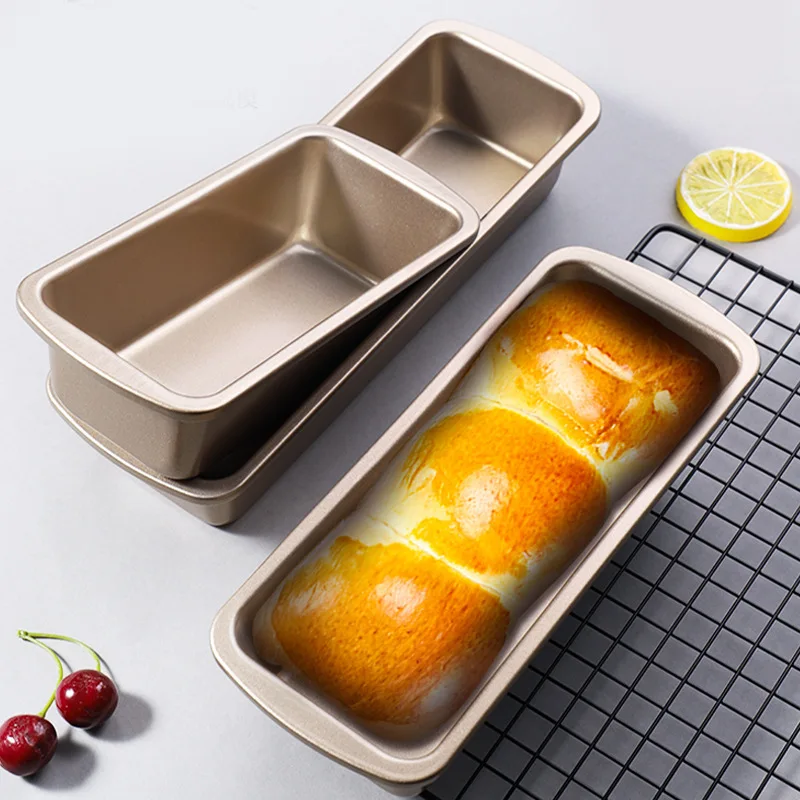
Rectangular Bread Cake Mold Carbon Steel Non-Stick Baking Pans Bread Cheese Oven Tray Square Loaf Toast Mould Kitchen Bakeware
For a reliable, even-baking option, consider the Rectangular Bread Cake Mold Carbon Steel Non-Stick Baking Pan—it’s a solid choice for consistent results.
Frequently asked questions
What size bread loaf pan is best for standard bread recipes?
A 9×5 inch pan is the most common size for yeast breads and quick breads. It accommodates about 8 cups of dough and produces a classic loaf shape.
Can I use a metal pan in a glass oven?
Yes, most metal pans are oven-safe up to 450°F. However, avoid sudden temperature changes to prevent warping. Check the manufacturer’s guidelines.
How do I prevent bread from sticking to the pan?
Grease the pan thoroughly with butter or oil, even if it’s non-stick. For extra insurance, dust with flour or line with parchment paper.
What’s the difference between a loaf pan and a Pullman pan?
A Pullman pan has a lid, creating a square, uniform loaf with a soft crust. A standard loaf pan produces a domed top with a crustier exterior.
