
Blog
The Ultimate Guide to Choosing a Brown Computer Desk
Buying Guide
Find Your Ideal Brown Computer Desk Today
When you start searching for a brown computer desk, you’re not just picking a piece of furniture—you’re choosing the centerpiece of your workspace. This guide will help you navigate the options and find one that fits your needs and style.
Why Choose a Brown Computer Desk?
Brown is a versatile color that brings warmth and a sense of grounding to any room. Unlike stark black or white, brown desks blend seamlessly with various decor styles, from rustic to modern. They hide minor scuffs and stains better than lighter shades, making them practical for daily use. Moreover, brown tones can make a space feel more inviting and cozy, which is beneficial if you spend long hours at your desk.
If you’re considering a brown computer desk, you’re in good company. Many home offices use brown to create a professional yet approachable atmosphere. The key is to choose the right shade and material that complements your existing furniture and lighting.
Materials: Wood, Metal, and More
The material of your desk determines its durability, appearance, and maintenance. Here are the most common options you’ll encounter:
- Solid Wood: Classic and sturdy, solid wood desks are heirloom-quality pieces. They can be expensive and may require occasional oiling or polishing.
- Wood Veneer: A thin layer of real wood over engineered wood, offering a similar look at a lower cost. It’s more prone to chipping but easier to care for.
- Metal: Often used in frames or legs, metal adds an industrial or modern touch. It’s durable and easy to clean, but can feel cold if not paired with wood or other warm materials.
- Composite Wood (MDF/particleboard): Budget-friendly and available in many finishes, but less durable and susceptible to moisture damage.
When shopping for a brown computer desk, consider the combination of materials. A desk with a wooden top and metal legs offers a balance of warmth and industrial strength.
Size and Space Considerations
Before you buy, measure your room and the area where the desk will go. You need to account for not just the desk’s footprint but also clearance for chairs and walking space. A good rule of thumb is to leave at least 3 feet of open space around the desk for easy movement.
Think about the desk’s surface area: Are you using a desktop computer with a large monitor, or a laptop? Do you need room for a printer, documents, or a lamp? A deeper desk (around 30 inches) is better for multiple monitors, while a shallower one (around 24 inches) might suffice for a laptop and occasional writing.
Height is also crucial. Standard desks are about 29 inches high, but if you’re taller or shorter, you might need an adjustable model or consider a sit-stand desk. Remember that your elbows should be at a 90-degree angle when typing, and your monitor should be at eye level.
Style and Aesthetics: Matching Your Decor
The style of your brown computer desk should harmonize with your existing furniture and personal taste. Here are some popular design directions:
- Rustic/Farmhouse: Distressed wood, chunky legs, and a natural finish. Pairs well with neutral tones and vintage accessories.
- Modern/Contemporary: Clean lines, sleek metal legs, and a smooth, darker brown finish. Ideal for minimalist spaces.
- Traditional: Ornate details, rich mahogany or cherry finishes, and classic shapes like a roll-top or writing desk.
- Industrial: A combination of wood (often reclaimed) and black metal, giving a rugged, urban feel.
Don’t forget the rest of the room: your desk should complement your bookcases, chairs, and decor. If you have a lot of dark furniture, a lighter brown can brighten the space, while a darker brown adds depth to a light room.
Ergonomics and Comfort
Working at a desk for hours can take a toll on your body if the setup isn’t ergonomic. When choosing a brown computer desk, keep these points in mind:
- Desk Height: As mentioned, your desk should align with your seated posture. If it’s too high or too low, you’ll strain your shoulders or wrists.
- Legroom: Ensure there’s enough space for your legs and knees to move freely. Some desks have lower shelving that can impede legroom.
- Keyboard Tray: If you type a lot, a keyboard tray can help you maintain a neutral wrist position. Not all desks have one, so check if it’s a priority.
- Monitor Placement: Your desk should be deep enough to position your monitor at an arm’s length away, with the top of the screen at or just below eye level.
Remember, comfort is not a luxury—it’s a productivity booster. A desk that fits your body well can reduce fatigue and improve focus.
Storage and Organization
Clutter can hinder your workflow. Consider how much storage you need in a desk. Some desks come with drawers, shelves, or hutches, while others are simple surfaces. Think about what you need to store: stationery, files, devices, or personal items.
- Drawers: Ideal for small items like pens, sticky notes, and chargers. Look for smooth-gliding drawers with sturdy handles.
- Shelves: Great for books, binders, or decorative pieces. Open shelves keep things accessible but visible.
- Cable Management: Many modern desks have grommets or trays to hide cables, keeping your workspace tidy. If you have multiple devices, this is a must.
If you prefer a minimalist look, you might opt for a desk with no storage and use a separate file cabinet. Alternatively, an L-shaped desk offers ample surface and corner space for storage units.
Durability and Maintenance
Your brown computer desk is an investment, so you want it to last. Check the build quality: solid wood joints, reinforced corners, and sturdy legs are signs of a well-made desk. Read reviews to see how the desk holds up over time, especially if it’s made of composite wood.
Maintenance depends on the material. A solid wood desk may need periodic polishing with wood conditioner, while a metal or laminate desk just needs a damp cloth. Avoid harsh chemicals that can strip the finish. Use coasters for drinks and a mouse pad to prevent scratches on the surface.
Also, consider the warranty. A longer warranty often indicates the manufacturer’s confidence in the product.
Budget and Value
Brown computer desks come in a wide price range, from budget-friendly to high-end. Set a budget before you start shopping, but be flexible: sometimes spending a little more gets you a desk that lasts longer and feels better.
Value isn’t just about the price tag; it’s about how well the desk meets your needs. A cheap desk that wobbles or doesn’t fit your space is a poor value, even if it’s affordable. Conversely, a mid-range desk with good construction and features can be a smart investment.
When comparing desks, look at the materials, warranty, and customer reviews. If you find a desk that ticks all your boxes, it’s worth stretching your budget a bit.
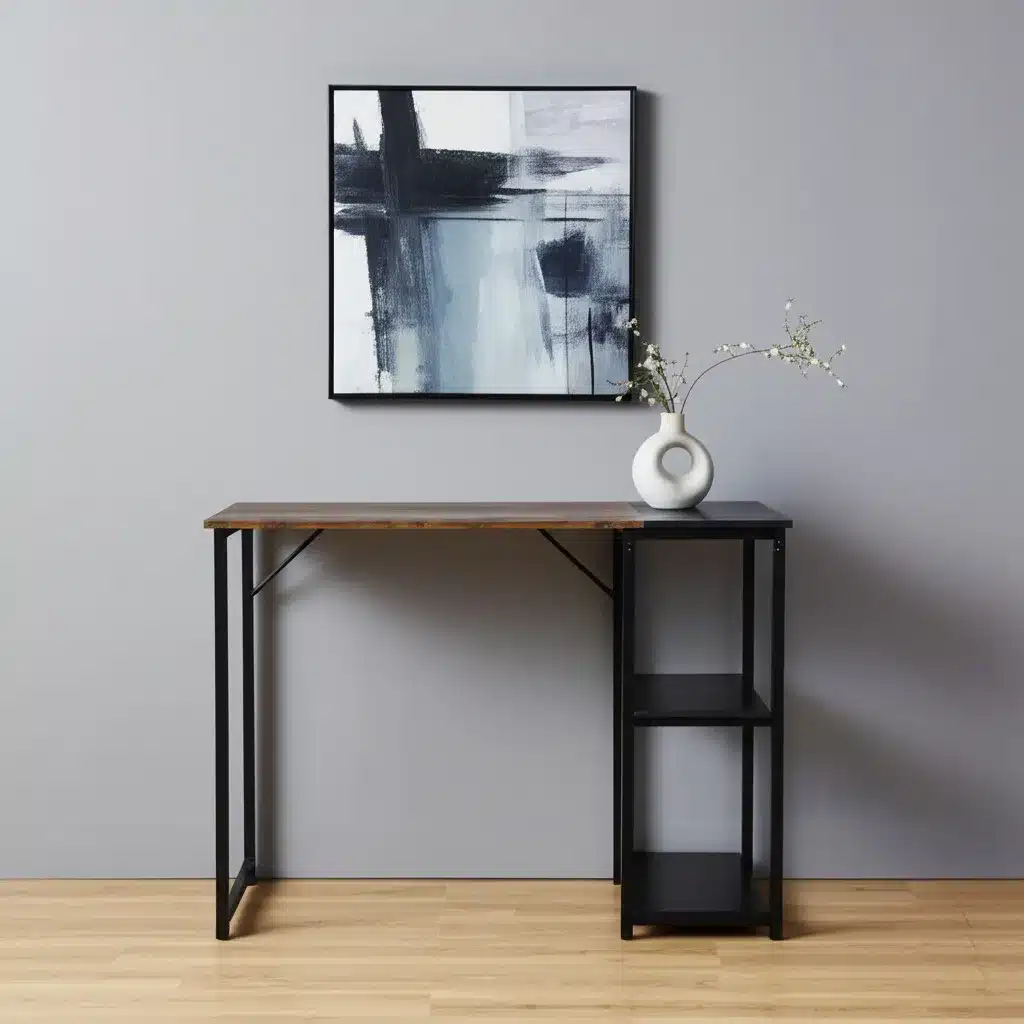
For a balanced combination of style and functionality, consider our 39″ Brown and Black Wood and Metal H-Shape Computer Desk Stylish Office Desk. It’s designed to fit comfortably in most home offices and offers a sturdy workspace.
In conclusion, the right brown computer desk is out there for you. By considering material, size, style, ergonomics, storage, and budget, you’ll make a choice that enhances your productivity and your room’s aesthetic.
39″ Brown and Black Wood and Metal H-Shape Computer Desk Stylish Office Desk
Our 39″ Brown and Black Wood and Metal H-Shape Computer Desk Stylish Office Desk combines a sturdy metal frame with a warm wooden surface, offering both durability and style for your workspace.
Frequently asked questions
What are the standard dimensions for a brown computer desk?
Standard computer desks are typically around 30 inches deep, 50-60 inches wide, and 29 inches high. However, dimensions vary based on design and purpose. For small spaces, you can find compact desks around 40 inches wide, while L-shaped desks may be larger. Always measure your room and consider your equipment before buying.
How do I match a brown desk with my existing furniture?
Consider the undertones of the brown: warm (red or orange undertones) or cool (ashen or gray undertones). If your furniture has warm tones, choose a warm brown; if cool, go for a cooler brown. Also, think about the style: a rustic desk fits farmhouse decor, while a sleek metal-framed desk suits modern spaces. Use the desk as an anchor and coordinate with accents like rugs and curtains.
Is a brown computer desk suitable for a small room?
Yes, brown desks can work in small rooms if you choose the right size and style. Opt for a wall-mounted or corner desk to maximize space. Lighter browns can make the room feel more open, while darker browns add depth. Ensure you leave enough walkway space and consider a desk with built-in storage to reduce clutter.
What is the best material for a brown computer desk?
The best material depends on your budget and usage. Solid wood is durable and classic but expensive. Wood veneer offers a similar look at a lower cost. Metal frames add strength and a modern feel. Composite wood is budget-friendly but less durable. For heavy daily use, solid wood or a metal-wood combo is recommended.
