
Blog
The Ultimate Buffet Storage Cabinet Buying Guide
Furniture Guide
Choosing the Right Buffet Storage Cabinet
A buffet storage cabinet is a versatile piece that can transform your dining room, living area, or entryway. Whether you need extra storage for dishes, linens, or electronics, the right cabinet combines function with style.
Why a Buffet Storage Cabinet Is a Smart Investment
A well-chosen buffet storage cabinet does more than hide clutter. It anchors a room, provides a surface for decor, and keeps everyday items accessible. Unlike a traditional sideboard, a buffet cabinet often includes adjustable shelves, drawers, and cabinets that adapt to your needs. Whether you’re storing fine china or board games, this piece earns its place in any home.
Beyond storage, a buffet cabinet can define your dining area or serve as a media console in the living room. Its low profile doesn’t overwhelm a space, making it ideal for open floor plans. As you shop, remember that a buffet storage cabinet is a long-term investment in organization and aesthetics.
Key Factors to Consider When Shopping
Before you buy, measure your space carefully. A buffet cabinet should leave enough room for traffic flow and chairs to pull out. Consider the depth: standard is 18–20 inches, but narrower options work in tight spots.
Think about what you’ll store. If you have heavy platters, look for sturdy construction. Adjustable shelves are a must for flexibility. Also, pay attention to the back panel—a solid back adds stability. For a cohesive look, match the cabinet’s finish to your existing furniture.
Lastly, evaluate the hardware. Metal handles and legs not only add style but also durability. A buffet storage cabinet with retro handles can bring character to a modern room.
Materials: Wood, Metal, or Glass?
Solid wood cabinets offer lasting beauty and can be refinished. Engineered wood like MDF is budget-friendly but less durable. Metal accents or legs lend an industrial feel, while glass doors display your collectibles. Each material has trade-offs: wood requires maintenance, metal may scratch, and glass shows fingerprints. Choose based on your lifestyle.
For a balance of quality and cost, look for a cabinet with a solid wood frame and engineered wood panels. This construction provides strength without the high price tag. The legs should be sturdy—four legs are standard, but some designs have a central support.
Style and Design: Finding Your Match
From mid-century modern to farmhouse, buffet storage cabinets come in many styles. A minimalist cabinet with clean lines works in contemporary homes, while ornate carvings suit traditional decor. Color matters too: white brightens a room, dark wood adds warmth, and pastels make a statement.
Don’t forget the handles. They can dramatically change the look—cup pulls for a vintage vibe, bar pulls for sleekness. The shape of the cabinet also affects the feel: a curved front softens a space, while a sharp rectangle feels modern. Ultimately, your buffet storage cabinet should reflect your personal taste.
Organizational Features That Matter
Look for adjustable shelves, which let you customize the interior for tall bottles or stacks of plates. Some cabinets include wine racks, drawers for cutlery, or cork boards on the back of doors. Dividers keep lids and trays upright. A buffet storage cabinet with a mix of open and closed storage offers the best of both worlds: display space and hidden storage.
Consider the door type: hinged doors require clearance, while sliding doors save space. Soft-close hinges are a luxury that prevents slamming. For a clutter-free look, choose a cabinet with cable management cutouts if you plan to use it for electronics.
Placement Tips for Maximum Impact
In a dining room, place the buffet against the longest wall. Leave at least 36 inches between the table and cabinet for easy movement. In a living room, use it as a media console—the top can hold a TV, and shelves accommodate components. In an entryway, a narrow buffet cabinet stores keys and shoes while providing a drop zone.
Accessorize the top with a lamp, art, or a tray for everyday items. The surface of your buffet storage cabinet is prime real estate for decor that changes with the seasons. Remember to balance the visual weight: a large mirror above can open up a small room.
Caring for Your Buffet Cabinet
Dust regularly with a soft cloth. Avoid harsh chemicals—use a damp cloth for sticky spots. For wood cabinets, apply polish every few months. If the cabinet has glass, clean with a streak-free spray. Check hardware periodically and tighten screws if needed. With proper care, your buffet storage cabinet will last for years.
For more detailed advice on wood furniture care, see this Wikipedia article on wood finishing.
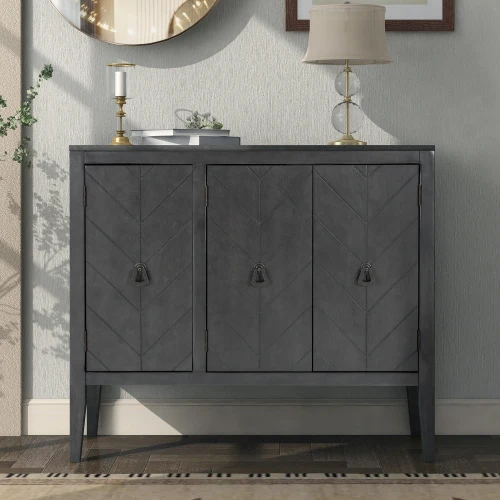
U_STYLE Adjustable Shelf Storage Sideboard with 3 Retro Metal Handles and 4 Pinewood Legs for Entryway Living Room Study Room
For a versatile and stylish option, consider the U_STYLE Adjustable Shelf Storage Sideboard with 3 Retro Metal Handles and 4 Pinewood Legs, designed to fit seamlessly into entryways, living rooms, or study rooms.
Frequently asked questions
What is the difference between a buffet and a sideboard?
Historically, a sideboard was used for serving food, while a buffet cabinet stored dishes and linens. Today, the terms are often used interchangeably, but buffets tend to be taller and have legs, while sideboards are lower and may sit directly on the floor.
How do I choose the right size buffet cabinet?
Measure your wall space and allow at least 2 feet of clearance on each side for traffic. The cabinet should be about half the length of your dining table. Standard heights range from 30 to 36 inches.
Can a buffet cabinet be used in a living room?
Absolutely. Many people use a buffet storage cabinet as a media console or a display unit in living rooms. Its low height works well under a TV, and the shelves can hold books, decor, and electronics.
What materials are best for a buffet cabinet?
Solid wood is durable and timeless, but can be expensive. Engineered wood with a veneer offers a similar look at a lower cost. Metal legs add an industrial touch. For longevity, choose a cabinet with a solid frame and quality hardware.