
Blog
The Ultimate Camping Hammock Buying Guide
Buying Guide
Find Your Perfect Camping Hammock for Outdoor Comfort
Choosing the right camping hammock can transform your outdoor experience, turning a simple rest stop into a serene retreat. Let’s explore what makes a great hammock and how to pick one that fits your needs.
Why Choose a Camping Hammock?
Camping hammocks have surged in popularity among outdoor enthusiasts for good reason. They offer a unique way to connect with nature, providing a comfortable spot to read, nap, or simply sway in the breeze. Unlike tents, hammocks keep you off the ground, away from dampness and critters, and they often pack down smaller and lighter than traditional shelters. For many, the gentle rocking motion is a natural stress reliever, making it easier to fall asleep under the stars.
When you think about a camping hammock, consider the versatility it brings. You can set it up between trees, on a stand, or even on a boat. It’s not just for sleeping; it’s a lounging spot, a changing room, or a shaded haven during a midday break. The key is to find one that matches your specific camping style, whether you’re a minimalist backpacker or a car camper who values luxury.
Key Features to Look For
Not all hammocks are created equal. To ensure you get the most out of your investment, pay attention to these critical features:
- Material: Most camping hammocks are made from nylon or polyester. Nylon is lightweight, quick-drying, and has a bit of stretch for comfort. Polyester is more UV-resistant and holds its shape better. Consider the climate and how much sun exposure you’ll have.
- Weight Capacity: Check the manufacturer’s weight limit. A standard hammock can hold 400-500 pounds, but if you plan to share it or use it with gear, opt for a higher capacity.
- Size: Double hammocks offer more room for solo campers who like to sprawl, while single hammocks are lighter and more compact. Measure your height and preferred sleeping position.
- Suspension System: The straps and carabiners should be easy to adjust and secure. Look for tree-friendly straps that are wide and don’t damage bark.
- Packability: A good camping hammock should stuff into a small pouch that fits easily in your backpack. Check the packed size and weight.
Remember, the best hammock for you is one that meets your specific needs. Don’t be swayed by flashy features you’ll never use.
Material Matters: Nylon vs. Polyester
When it comes to the fabric of your camping hammock, you’ll mostly see two options: nylon and polyester. Nylon is the classic choice, prized for its lightweight and soft feel. It also has a slight stretch, which many find comfortable. However, nylon absorbs water and can sag when wet, and it degrades under prolonged UV exposure. Polyester, on the other hand, is more resistant to UV rays and doesn’t absorb much water, making it a better choice for sunny or rainy climates. It’s also less stretchy, offering a firmer lay.
For most campers, either material will work fine. If you’re hiking in a sunny area, polyester might be your best bet. If you prioritize weight and softness, go with nylon. Some hammocks combine both for a balance of properties. Always check the fabric’s denier (thickness) – higher denier means more durability but also more weight.
Breathability and Comfort
Breathability is crucial for comfort in warm weather. Look for hammocks with a woven fabric that allows air circulation. Some hammocks have a built-in bug net or a separate one you can attach. For colder nights, you can add an underquilt or sleeping pad for insulation. The key is to layer your gear according to the season.
Setting Up Your Camping Hammock: Tips and Tricks
Setting up a hammock is simple once you know the basics. First, find two sturdy trees about 10-15 feet apart. Wrap the tree straps around each trunk at chest height, then attach the carabiners to the hammock’s continuous loops. Adjust the tension so the hammock hangs at a slight angle – about 30 degrees – and sits low enough that you can sit in it comfortably. The ideal height is about 18 inches off the ground when you’re sitting in the middle.
Always use tree straps that are at least 1 inch wide to protect the bark. Many parks require these, so it’s a good habit. If you’re in an area without trees, a hammock stand can be a great alternative. Practice setting up at home before your trip to avoid frustration.
When lying in the hammock, position yourself diagonally across the fabric to get a flatter lay, which is better for your back. This is the secret to a good night’s sleep in a hammock.
Accessories to Enhance Your Experience
While a basic hammock is great, a few accessories can make it even better. Consider a rain tarp to keep you dry during unexpected showers. A bug net is essential in mosquito-heavy areas. An underquilt provides insulation from the cold air below. A pillow or a small stuff sack with clothes can support your head. And a ridgeline organizer keeps your essentials within reach.
Think about the environment you’ll be camping in. If you’re in a forest, a tarp might be unnecessary. If you’re in the desert, you might need more sun protection. Tailor your accessory choices to your destination.
Weight and Packability: Balancing Comfort and Portability
For backpackers, every ounce counts. A lightweight camping hammock can weigh as little as 1-2 pounds, while a full setup with tarp and bug net might be 3-4 pounds. Compare this to a tent, which often weighs 4-6 pounds. Hammocks are generally lighter and more compact, making them ideal for ultralight enthusiasts.
However, don’t sacrifice comfort for weight. A hammock that’s too thin or too small might be miserable. Look for a hammock that offers a good balance – maybe a 210T nylon fabric with a 400-pound capacity. Also, consider the packed size. Some hammocks come with compression sacks that reduce volume significantly.
Safety and Durability: What You Need to Know
Safety should always be a priority. Inspect your hammock regularly for tears, frayed straps, or weak stitching. Always follow the weight limit. When setting up, test the hammock with your hand before fully committing. Use proper knots or carabiners that are rated for the weight. And never set up in a location with dead or damaged trees.
Durability depends on the material and construction. Double-stitched seams and reinforced corners are signs of quality. Look for hammocks made from ripstop nylon, which resists tearing. With proper care, a good hammock can last for years.
For more on the history and design of hammocks, you can check out the Wikipedia article on hammocks – it’s fascinating.
Top Picks: Finding the Right Camping Hammock for You
With so many options on the market, it can be overwhelming. Here are a few categories to consider:
- Budget-Friendly: Basic hammocks under $30 are great for casual use. They might lack features but are perfect for day trips.
- All-Rounder: Mid-range hammocks ($30-$60) offer a good balance of comfort, durability, and weight. Many come with tree straps included.
- Ultralight: For serious backpackers, ultralight hammocks ($60-$100+) use high-end fabrics like Dyneema to save weight.
- Full Setup: Some kits include a tarp, bug net, and suspension system, making it easy to get started.
When you find a hammock that seems right, read reviews from other campers. Look for feedback on comfort, ease of setup, and durability. Remember, the best hammock is the one that fits your budget and needs.
Care and Maintenance: Extending the Life of Your Hammock
To keep your camping hammock in top condition, follow these simple care tips:
- Clean: Hand wash with mild soap and cold water. Avoid harsh detergents and bleach.
- Dry: Hang to dry completely before storing to prevent mildew.
- Store: Keep it in a cool, dry place away from direct sunlight.
- Repair: Small tears can be patched with repair tape or a needle and thread.
With proper care, your hammock will serve you well on many adventures.
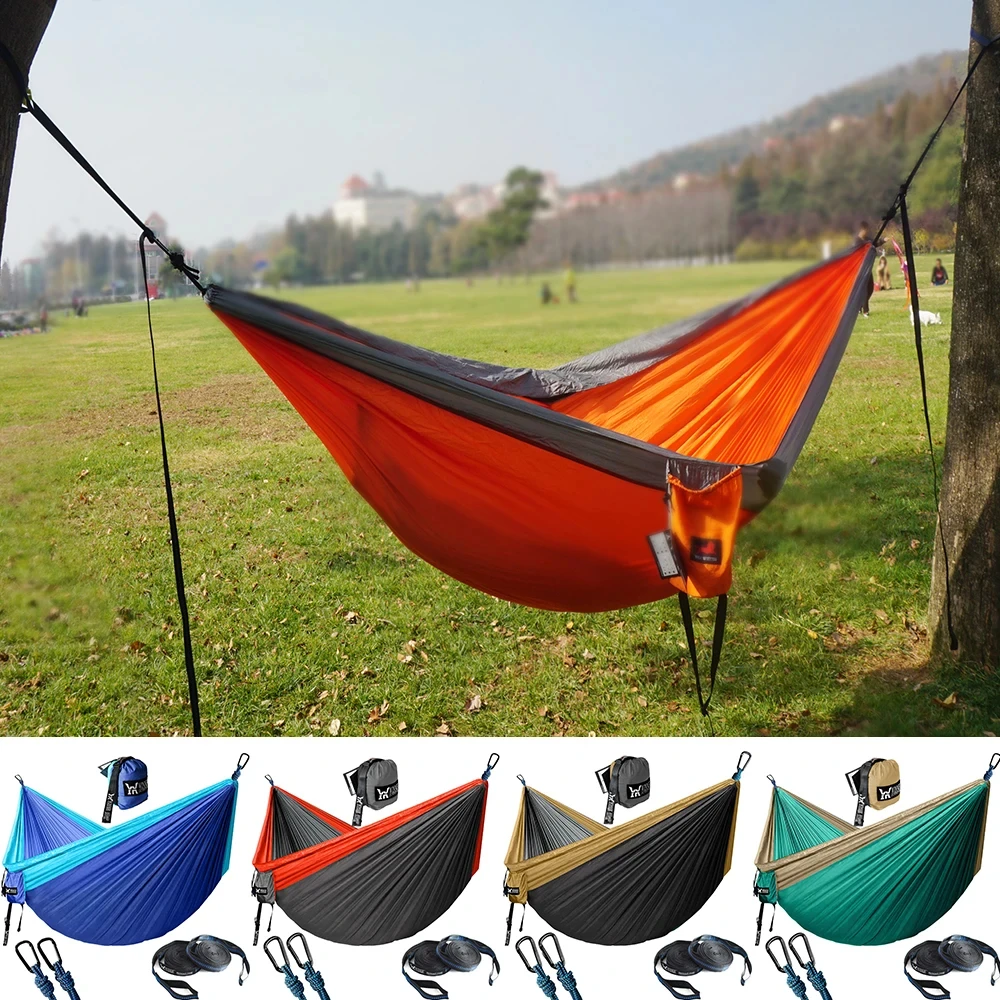
Upgrade Camping Hammock Outdoor Tourist Hanging Hammocks Portable Parachute Nylon Hiking Hammock For Backpacking Travel
For a reliable and affordable option, consider the Upgrade Camping Hammock Outdoor Tourist Hanging Hammocks Portable Parachute Nylon Hiking Hammock For Backpacking Travel, which offers a good balance of comfort and portability.
Frequently asked questions
What is the best material for a camping hammock?
Nylon is lightweight and soft, while polyester is more UV-resistant and dries faster. Choose based on your climate and preferences.
How do I set up a camping hammock?
Find two trees about 10-15 feet apart, wrap tree straps around each trunk at chest height, attach carabiners, and adjust tension so the hammock hangs at a 30-degree angle and about 18 inches off the ground when sitting.
Can I sleep comfortably in a camping hammock?
Yes, if you lie diagonally across the fabric to achieve a flatter position. Many people find hammocks more comfortable than sleeping on the ground.
How much weight can a camping hammock hold?
Most camping hammocks hold between 400-500 pounds, but always check the manufacturer’s rating and never exceed it.
