
Blog
The Ultimate Cast Iron Skillet Buying Guide for 2025
Kitchen Essentials
How to Choose the Best Cast Iron Skillet
A cast iron skillet is the workhorse of any kitchen, offering unmatched heat retention and versatility. Whether you’re searing steak or baking cornbread, this guide will help you find the perfect pan.
Why Every Kitchen Needs a Cast Iron Skillet
A cast iron skillet is more than just a pan—it’s a lifelong cooking companion. Its ability to retain and distribute heat evenly makes it ideal for searing, frying, baking, and even grilling. Unlike non-stick pans, a well-seasoned cast iron skillet develops a natural non-stick surface that improves with use. Plus, it’s virtually indestructible and can last for generations with proper care.
Key Features to Look for in a Cast Iron Skillet
When shopping for a cast iron skillet, consider these important factors:
- Material and Construction: Look for skillets made from high-quality cast iron. Hand-hammered or uncoated options offer superior heat distribution and durability.
- Size and Weight: A 10- to 12-inch skillet is versatile for most tasks. Heavier pans retain heat better but can be cumbersome; choose what’s comfortable for you.
- Handle Design: Long handles stay cooler on the stovetop, while a helper handle on larger skillets makes lifting easier. Ensure the handle is securely attached.
- Pre-Seasoned or Uncoated: Pre-seasoned skillets are ready to use out of the box, while uncoated ones require initial seasoning. Both options can achieve excellent non-stick properties.
How to Season and Maintain Your Cast Iron Skillet
Seasoning is the process of baking oil onto the skillet to create a protective, non-stick layer. Here’s a simple method:
- Wash the skillet with warm water and mild soap (if new), then dry thoroughly.
- Apply a thin layer of vegetable oil or flaxseed oil all over the pan, including the handle and bottom.
- Place the skillet upside down in an oven preheated to 375°F (190°C) for one hour. Let it cool in the oven.
- Repeat this process 2-3 times for a robust seasoning. After each use, clean with a stiff brush and hot water (no soap), dry on the stove, and apply a light coat of oil.
Avoid soaking your cast iron skillet in water or putting it in the dishwasher, as this can cause rust. If rust appears, scrub it off with steel wool and re-season.
Cooking Tips for Your Cast Iron Skillet
Cast iron excels at high-heat cooking. Preheat your skillet slowly to avoid warping—start on low heat and gradually increase. Use it for:
- Searing: Get a perfect crust on steaks and chops.
- Frying: Crispy chicken or hash browns come out golden.
- Baking: Cornbread, skillet cookies, and even pizza turn out wonderfully.
- Roasting: Vegetables and meats roast evenly.
Always use utensils that won’t scratch the seasoning; wooden or silicone tools are best. And remember, acidic foods like tomatoes can strip seasoning if cooked for too long—use a well-seasoned skillet for short periods.
Top Cast Iron Skillet Brands and Options
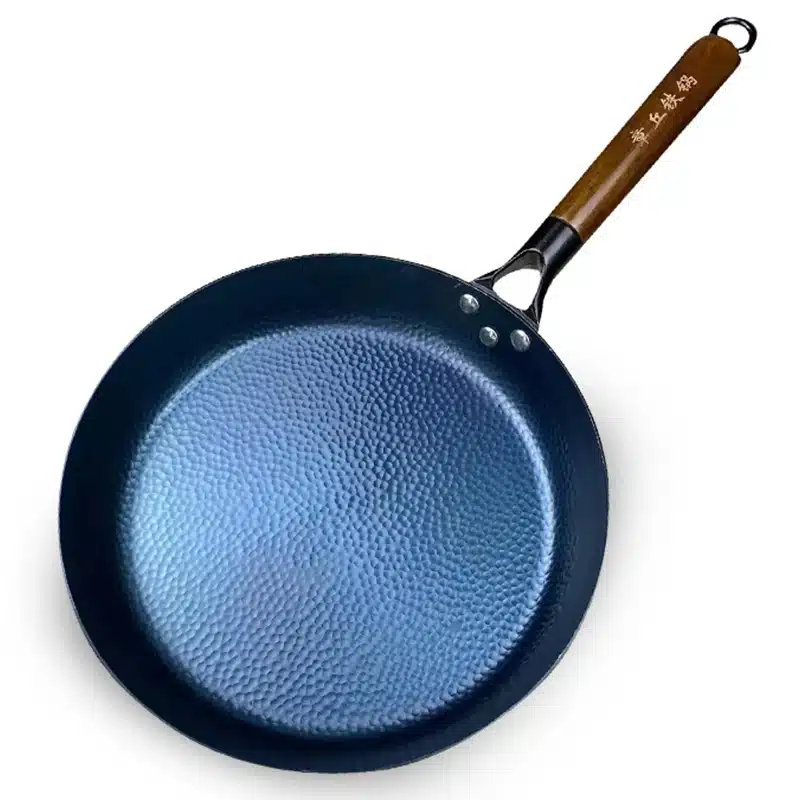
While many brands offer quality skillets, our favorite is the Cast Iron Frying Pan Hand hammering Uncoated Skillet Fried Egg Steak Kitchen Pan for Gas Stove Induction Cooker 30cm. Its hand-hammered surface provides excellent heat distribution, and the uncoated design allows you to build your own seasoning. It works on all cooktops, including induction, and the 30cm size is perfect for family meals. For more information on the history of cast iron cookware, check out this Wikipedia article.
Common Mistakes to Avoid with Cast Iron
New users often make these errors:
- Using too much soap or scrubbing too hard—this removes seasoning.
- Storing food in the skillet—acids can react with the iron.
- Heating an empty pan on high—this can cause warping.
- Not drying thoroughly—leads to rust.
With proper care, your cast iron skillet will become a non-stick, naturally seasoned workhorse that improves with every meal.
Final Thoughts on Choosing Your Cast Iron Skillet
Investing in a quality cast iron skillet is a decision you won’t regret. Whether you’re a beginner or a seasoned cook, the right pan can elevate your cooking. Look for one that feels balanced in your hand, has a smooth cooking surface, and suits your cooking style. Happy cooking!
Cast Iron Frying Pan Hand hammering Uncoated Skillet Fried Egg Steak Kitchen Pan for Gas Stove Induction Cooker 30cm
For a versatile, hand-hammered option that excels on all stovetops, consider the Cast Iron Frying Pan Hand hammering Uncoated Skillet Fried Egg Steak Kitchen Pan for Gas Stove Induction Cooker 30cm.
Frequently asked questions
How do I clean a cast iron skillet without ruining the seasoning?
Rinse with hot water and scrub with a stiff brush or chainmail scrubber. Avoid soap, or use a tiny amount if necessary. Dry thoroughly on the stove, then apply a thin layer of oil.
Can I use a cast iron skillet on an induction cooktop?
Yes, most cast iron skillets are compatible with induction cooktops because they are magnetic. However, ensure the bottom is flat for proper contact.
Why does my food stick to the cast iron skillet?
Sticking usually indicates insufficient seasoning or too high heat. Make sure your skillet is well-seasoned, and preheat it properly before adding oil and food.
Is it safe to cook acidic foods in a cast iron skillet?
It’s safe for short cooking times, but prolonged exposure to acidic ingredients like tomatoes can strip seasoning and impart a metallic taste. Use a well-seasoned skillet and limit cooking time.
