
Blog
Choosing the Best Ceramic Dessert Plates for Your Table
Buying Guide
Ceramic Dessert Plates for Everyday Elegance
Ceramic dessert plates are more than just serving dishes—they set the stage for your sweet creations. Whether you’re hosting a dinner party or enjoying a quiet treat, the right plate adds a touch of grace to every bite.
Why Choose Ceramic Dessert Plates?
Ceramic dessert plates offer a timeless blend of beauty and practicality. Unlike plastic or paper, ceramic retains heat and cold, keeping your desserts at the perfect temperature. The material’s natural weight gives a satisfying heft, while the glazed surface resists scratches and stains. Plus, ceramic is dishwasher-safe for easy cleanup, making it a smart choice for daily use.
Key Features to Look For
Material and Construction
High-quality ceramic is fired at high temperatures, resulting in a dense, chip-resistant body. Stoneware and porcelain are popular options; stoneware is more rustic and durable, while porcelain offers a delicate, refined look. Always check for lead-free glazes, especially if you plan to use plates for acidic foods.
Size and Shape
Standard dessert plates range from 7 to 9 inches in diameter. Round plates are classic, but square or asymmetrical shapes add modern flair. Consider the portion sizes you typically serve—larger plates work well for layered desserts, while smaller ones suit cookies or chocolates.
Design and Finish
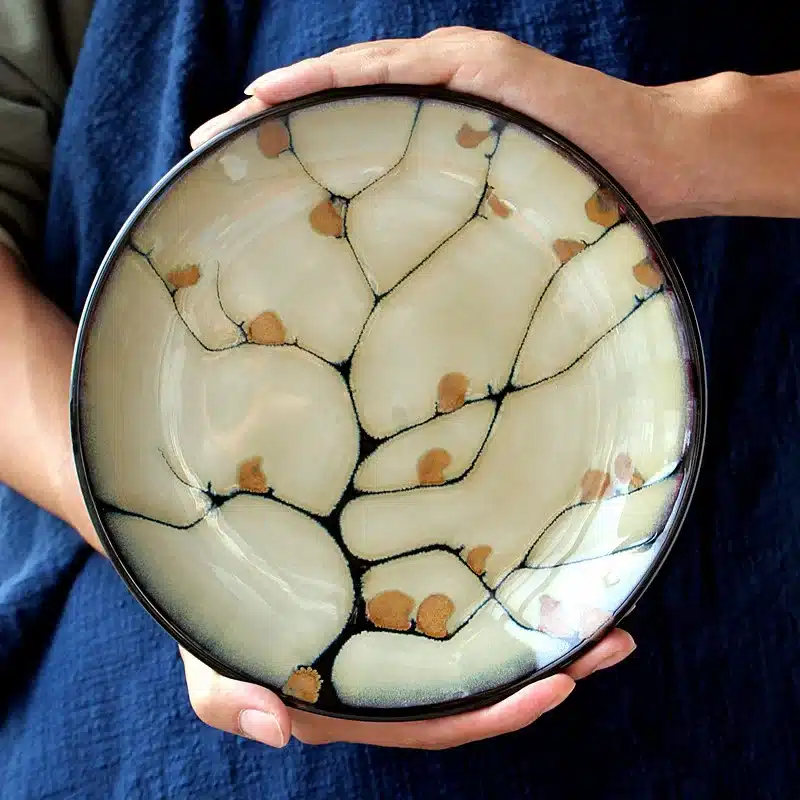
From minimalist white to hand-painted patterns, the design should complement your tableware. Matte finishes hide fingerprints, while glossy surfaces make colors pop. Reactive glazes create unique, variegated effects that add artisan character.
Matching Plates to Your Style
Your ceramic dessert plates should reflect your personal aesthetic. For a cohesive look, choose plates that echo the colors or motifs in your dinnerware. Alternatively, mix and match for an eclectic, collected-over-time vibe. Neutral tones like cream, gray, or soft blue are versatile, while bold patterns can serve as conversation starters.
Caring for Ceramic Dessert Plates
To keep your plates looking their best, avoid sudden temperature changes—don’t put a cold plate directly into a hot oven. While most are dishwasher-safe, hand washing with mild soap preserves intricate glazes. Stack plates with felt or cloth separators to prevent scratching. With proper care, quality ceramic can last for decades.
Where to Find Unique Ceramic Dessert Plates
Beyond mass-market retailers, explore artisan marketplaces, pottery studios, and online shops that specialize in handmade ceramics. Many small-batch potters offer one-of-a-kind pieces that bring warmth to your table. For historical context, ceramic has been used for dining ware for millennia, and modern techniques continue to evolve.
Budget and Value Considerations
Prices for ceramic dessert plates vary widely. Entry-level options are affordable and functional, while artisan pieces command higher prices due to craftsmanship. Invest in a few high-quality plates for special occasions and supplement with everyday sets. Remember, a well-made plate not only enhances your dessert but also brings joy each time you use it.
Plum blossom decorative dessert plate Decorative plate Western food plate plates Japanese kiln transformation Ceramic tableware
For a distinctive touch, consider the Plum blossom decorative dessert plate, which features a Japanese kiln transformation glaze that makes each piece unique.
Frequently asked questions
Are ceramic dessert plates microwave-safe?
Most ceramic plates are microwave-safe, but always check for metallic accents or glazes that may contain metal. Test by heating a cup of water in the plate for 30 seconds; if the plate feels hot, it’s likely safe.
Can ceramic dessert plates go in the oven?
Many ceramic plates are oven-safe up to 350°F, but avoid thermal shock by placing them in a cold oven and heating gradually. Check the manufacturer’s guidelines.
How do I remove stains from ceramic plates?
Make a paste of baking soda and water, gently scrub with a soft cloth, then rinse. For tough stains, soak in a solution of hydrogen peroxide and water.
What’s the difference between stoneware and porcelain dessert plates?
Stoneware is thicker and more durable, with a rustic look, while porcelain is thinner, more translucent, and often considered elegant. Both are types of ceramic.
