
Blog
The Complete Guide to Choosing Ceramic Dinner Plates
Buying Guide
Your Essential Guide to Ceramic Dinner Plates
Choosing the right ceramic dinner plates can transform your dining experience, blending everyday practicality with timeless beauty. Whether you’re setting a casual table or hosting a festive dinner, the perfect plates anchor your meal.
Why Choose Ceramic Dinner Plates?
Ceramic dinner plates are a staple in kitchens worldwide, prized for their durability, heat retention, and aesthetic versatility. Unlike plastic or melamine, ceramic is non-porous when glazed, making it resistant to stains and odors. Fired at high temperatures, these plates withstand daily use and even oven-to-table transitions. They also come in endless designs—from minimalist white to hand-painted motifs—so you can match any decor. Plus, ceramic is an eco-friendly choice: it’s made from natural clay and can last for decades with proper care.
Types of Ceramic: Earthenware, Stoneware, and Porcelain
Understanding the three main types of ceramic helps you choose plates that suit your lifestyle.
Earthenware
Fired at lower temperatures (around 1,000–1,150°C), earthenware is porous and requires glazing to be food-safe. It’s often more affordable and has a rustic, handcrafted feel. However, it’s less durable and can chip easily. Best for decorative or occasional use.
Stoneware
Fired at higher temperatures (1,200–1,300°C), stoneware is dense, durable, and chip-resistant. It’s the most common choice for everyday dinnerware because it balances strength with moderate weight. Stoneware can go in the oven and dishwasher, making it highly practical.
Porcelain
Fired at the highest temperatures (1,300–1,400°C), porcelain is non-porous, extremely hard, and often more delicate-looking. It’s chip-resistant but can be heavy. Porcelain’s fine, smooth finish makes it ideal for formal settings.
Key Features to Look for in Ceramic Dinner Plates
When shopping for ceramic dinner plates, consider these factors:
- Oven and Microwave Safety: Check if the plates are oven-safe (many stoneware and porcelain are up to 350°F/175°C). Microwave-safe ceramic is common, but avoid plates with metallic trim.
- Dishwasher Safety: Most glazed ceramics are dishwasher-safe, but hand washing extends their lifespan. Avoid abrasive detergents.
- Lead and Cadmium-Free: Ensure the glaze is free from harmful heavy metals. Reputable brands comply with FDA regulations.
- Stackability: Look for plates with a slight rim or foot for easy stacking without scratching.
- Weight and Balance: Test the weight—too heavy can be cumbersome, too light may feel cheap. A balanced plate feels comfortable in hand.
Dinner Plate Shapes and Sizes
Ceramic dinner plates come in various shapes: round, square, rectangular, and even irregular organic forms. Round is classic and space-efficient, while square adds modern flair but may not stack as neatly. Standard dinner plates are 10–11 inches (25–28 cm) in diameter, but consider your table size and serving style. For everyday use, a 10.5-inch plate offers ample space without overwhelming the table.
Caring for Your Ceramic Dinner Plates
To keep your ceramic dinner plates looking new:
- Avoid sudden temperature changes (e.g., placing a hot plate under cold water) to prevent cracking.
- Use wooden or silicone utensils to minimize scratches on the glaze.
- For stubborn stains, make a paste of baking soda and water; gently scrub with a non-abrasive sponge.
- Store plates with felt pads or paper towels between them to prevent scratching.
For more on ceramic materials, see Wikipedia’s article on ceramics.
Matching Ceramic Plates with Your Table Setting
Your plates set the tone for the meal. Pair minimalist white plates with colorful linens for a pop of color. Earthy stoneware complements rustic wooden tables, while porcelain suits formal china patterns. Mix and match sizes—use salad plates as appetizer plates or under dessert bowls. Don’t be afraid to combine different shapes for an eclectic, curated look.
Budget-Friendly vs. Investment Ceramic Dinnerware
You can find ceramic dinner plates at every price point. Budget-friendly options (under $20 per plate) are often earthenware or basic stoneware. Mid-range ($20–$50 per plate) offers better durability and design. Investment pieces ($50+) are typically premium porcelain or handcrafted artisan ware. Consider how often you’ll use them—everyday plates justify a mid-range stoneware set, while occasional formal dinners can splurge on porcelain.
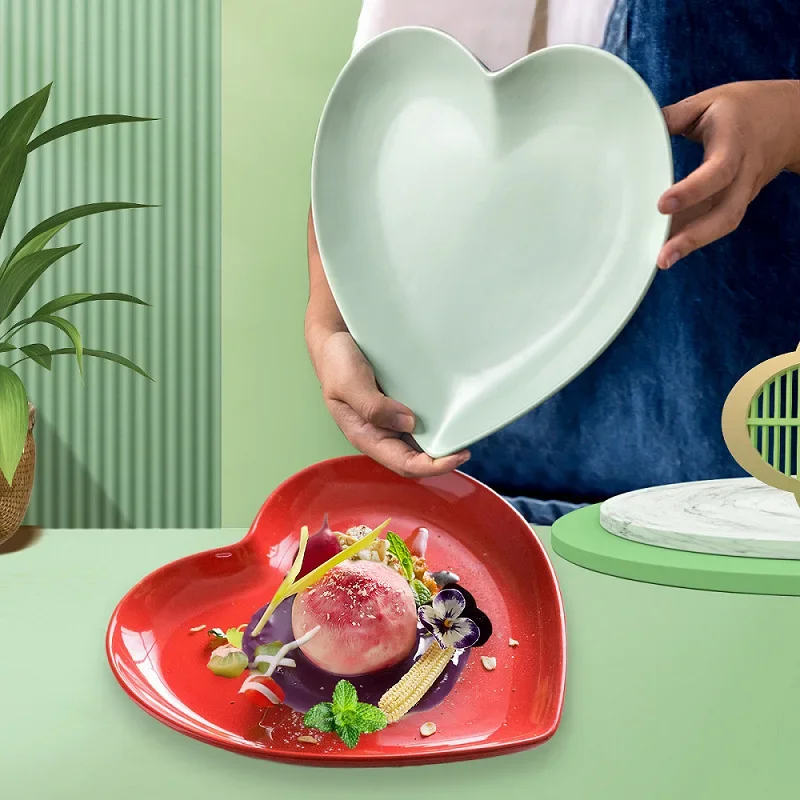
Creative Heart Ceramic Dinner Cooking Dishes Home Barbecue Salad Plate Oven Dessert Cake Plate Hotel Restaurant Tableware Modern
For a versatile option that transitions from oven to table, consider the Creative Heart Ceramic Dinner Cooking Dishes Home Barbecue Salad Plate Oven Dessert Cake Plate Hotel Restaurant Tableware Modern, which combines durability with a charming heart-shaped design.
Frequently asked questions
Are ceramic dinner plates safe for the oven?
Many ceramic dinner plates are oven-safe, but always check the manufacturer’s guidelines. Stoneware and porcelain are typically safe up to 350°F (175°C). Avoid earthenware in the oven unless labeled oven-safe, as it can crack.
How do I prevent ceramic plates from chipping?
To prevent chipping, handle plates with care, avoid stacking them without protection (use felt pads), and don’t bang utensils against the rim. Choose stoneware or porcelain for higher chip resistance.
Can ceramic dinner plates go in the microwave?
Most glazed ceramic plates are microwave-safe, but avoid any with metallic trim or gold detailing, as they can spark. Test by microwaving a cup of water on the plate for one minute; if the plate stays cool, it’s safe.
What is the best size for a dinner plate?
Standard dinner plates are 10.5 to 11 inches in diameter. For everyday use, 10.5 inches is versatile, offering enough space for a main course without overwhelming the table. Larger plates (12 inches) are better for serving.
