
Blog
The Complete Guide to Ceramic Rice Bowls
Tableware Guide
Your Ultimate Guide to Ceramic Rice Bowls
Ceramic rice bowls are a staple in kitchens around the world, offering both beauty and practicality for daily meals. Whether you’re serving rice, soup, or noodles, the right bowl enhances the dining experience.
Why Choose Ceramic Rice Bowls?
Ceramic rice bowls are beloved for their durability and heat retention. They keep your food warm longer than glass or plastic alternatives. Plus, their non-porous glazed surface resists stains and odors, making them a hygienic choice for everyday use. According to Wikipedia, ceramics have been used for thousands of years due to their strength and aesthetic appeal.
Key Features to Look For
Material and Glaze
High-quality ceramic rice bowls are made from stoneware or porcelain, fired at high temperatures for durability. The glaze should be smooth and even, without cracks or bubbles. A well-glazed bowl is easier to clean and less likely to chip.
Size and Depth
Standard rice bowls hold about 10-12 ounces. Deeper bowls are ideal for soups or broths, while wider, shallower bowls work well for rice dishes. Consider your typical serving size and the type of cuisine you prepare.
Weight and Balance
A good rice bowl should feel sturdy but not too heavy. The base should be slightly weighted to prevent tipping. Hold the bowl in your hand to check if it feels comfortable and balanced.
Caring for Your Ceramic Rice Bowls
To extend the life of your ceramic rice bowls, avoid sudden temperature changes—don’t pour boiling liquid into a cold bowl. Most are microwave and dishwasher safe, but check the manufacturer’s instructions. Hand washing with mild detergent is always a safe bet.
How to Choose the Right Shape and Style
Ceramic rice bowls come in various shapes: round, oval, or even square. Round bowls are classic and versatile. Some bowls have a slight rim or foot, adding elegance. For a modern table, consider matte finishes; for a traditional look, glossy glazes with hand-painted designs are charming.
Matching Bowls with Your Dinnerware
Your rice bowls should complement your existing dinnerware. If you have white plates, colorful bowls can add a pop of contrast. For a cohesive set, choose bowls from the same collection or in similar tones. Mixing and matching is also trendy, but keep a unifying element like color or texture.
Where to Buy Quality Ceramic Rice Bowls
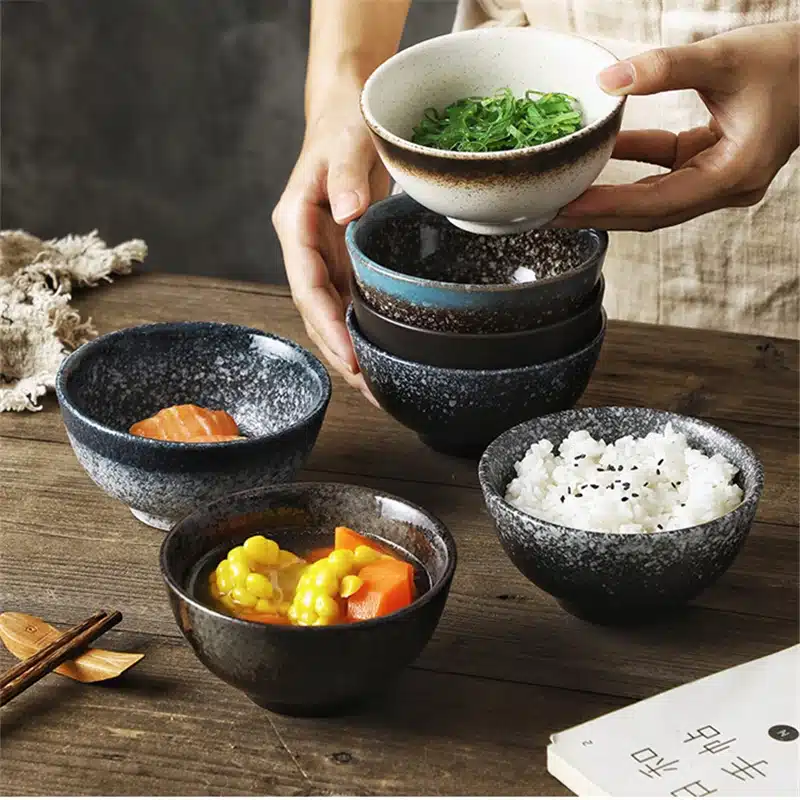
You can find ceramic rice bowls at kitchenware stores, online marketplaces, and specialty home goods shops. Look for brands that prioritize craftsmanship and use lead-free glazes. Read reviews to gauge durability and customer satisfaction. If you’re looking for a reliable option, consider the 4.5inch Japanese Ceramic Rice Bowl—it’s a versatile size perfect for rice, soup, or noodles.
4.5inch Japanese Ceramic Rice Bowl Porcelain Dishes Pretty Restaurant Table Top items Soup Noodles Sauce Bowls Dinnerware
For a reliable and beautiful option, the 4.5inch Japanese Ceramic Rice Bowl combines classic design with everyday practicality.
Frequently asked questions
Are ceramic rice bowls microwave safe?
Most ceramic rice bowls are microwave safe, but always check the manufacturer’s label. Avoid bowls with metallic trim or gold accents, as they can spark.
Can ceramic rice bowls go in the oven?
Only if they are labeled oven-safe. Standard ceramic bowls may crack under high heat. For baking, use specially designed ovenproof ceramics.
How do I remove stains from ceramic rice bowls?
Make a paste of baking soda and water, gently scrub the stain, then rinse. For tough stains, soak in a solution of vinegar and water for 30 minutes.
What is the difference between ceramic and porcelain rice bowls?
Porcelain is a type of ceramic fired at higher temperatures, making it denser and more chip-resistant. Ceramic is a broader category, often more porous and heavier.
