
Blog
The Complete Guide to Choosing a Ceramic Stew Pot
Buying Guide
Find Your Ideal Ceramic Stew Pot
A ceramic stew pot is a versatile kitchen essential for gentle, even cooking. Whether you’re simmering soups or braising meats, the right pot makes all the difference.
Why Choose a Ceramic Stew Pot?
Ceramic stew pots are prized for their ability to distribute heat evenly and retain warmth for long periods. Unlike metal pots, ceramic doesn’t react with acidic ingredients, making it ideal for tomato-based sauces or citrusy stews. The porous nature of ceramic also allows for gentle evaporation, concentrating flavors without scorching. For those who love slow-cooked meals, a ceramic stew pot is a worthy investment.
Additionally, ceramic pots are often aesthetically pleasing, transitioning from stove to table with ease. Many home cooks appreciate the rustic charm that ceramic brings to the dining experience. But beyond looks, the functional benefits—such as superior heat retention and even cooking—make it a standout choice for braises, soups, and even baking bread.
When selecting a ceramic stew pot, consider the thickness of the walls. Thicker walls provide better insulation, while thinner ones heat up faster. Glazed interiors are easier to clean and prevent sticking, but unglazed options offer a more traditional cooking surface. Ultimately, the best choice depends on your cooking style and preferences.
Key Features to Look For in a Ceramic Stew Pot
Before purchasing a ceramic stew pot, evaluate these critical features:
- Material Quality: High-fired stoneware or porcelain offers durability. Look for pots made from natural clays without lead or cadmium.
- Lid Fit: A tight-fitting lid traps steam and moisture, essential for braising. Double lids, like those found on some Japanese designs, provide extra insulation.
- Handles: Wide, sturdy handles that stay cool to the touch make lifting safe and easy. Double handles are preferable for heavy pots.
- Capacity: Choose a size that matches your household. A 3-4 quart pot works for most families, while larger ones suit batch cooking.
- Oven Safety: Ensure the pot can withstand oven temperatures if you plan to use it for roasting or baking. Most ceramic pots are oven-safe up to 400°F (200°C).
Additionally, consider the pot’s weight. Heavier pots retain heat better but may be cumbersome to handle. If you have limited storage, opt for a versatile design that fits multiple cooking tasks. For more on ceramic cookware science, check out this Wikipedia article on ceramic cookware.
How to Care for Your Ceramic Stew Pot
Proper care extends the life of your ceramic stew pot. Always allow the pot to cool before washing to prevent thermal shock. Use mild dish soap and a soft sponge; avoid abrasive cleaners that can scratch the glaze. For stubborn stains, soak with baking soda paste. Most ceramic pots are dishwasher-safe, but hand washing is gentler.
Seasoning is not required for glazed ceramic, but unglazed pots may benefit from occasional oiling to maintain the surface. Store the pot with the lid slightly ajar to allow air circulation and prevent mold. If cracks appear, discontinue use as bacteria can harbor in fissures. With proper care, a quality ceramic stew pot can last for decades.
Comparing Ceramic Stew Pots to Other Materials
When deciding between ceramic, cast iron, and stainless steel, consider your cooking needs. Cast iron excels at high-heat searing but is heavy and requires seasoning. Stainless steel heats unevenly unless clad with aluminum. Ceramic offers the best heat retention without the weight of iron, and it’s naturally non-stick when glazed.
However, ceramic is more fragile than metal and can chip if dropped. It also heats more slowly, so preheating is recommended. For dishes that require long, slow cooking—like stews, beans, or stock—ceramic is unmatched. If you frequently cook acidic foods, ceramic is superior because it won’t leach metallic flavors.
Top Uses for a Ceramic Stew Pot
A ceramic stew pot shines in various recipes:
- Braised Meats: The even heat breaks down connective tissues, resulting in tender, flavorful meat.
- Soups and Stews: Gentle simmering melds flavors without evaporation loss.
- Baking Bread: The pot’s lid traps steam, creating a crispy crust.
- Steaming: Some pots come with inserts for steaming vegetables or fish.
- Roasting: Use in the oven for vegetables or whole chickens.
Experiment with one-pot meals to minimize cleanup. The pot’s thermal mass keeps food warm at the table, making it perfect for family dinners.
What to Avoid When Using a Ceramic Stew Pot
Avoid sudden temperature changes—never place a cold pot on a hot burner or in a preheated oven. Always start with low heat and gradually increase. Do not use ceramic on stovetops unless specifically labeled as such; some are oven-only. Metal utensils can scratch the glaze, so use wooden or silicone tools.
Additionally, avoid cooking on high heat for extended periods, as this can cause the glaze to craze (develop fine cracks). While crazing is often cosmetic, it can weaken the pot over time. Finally, never microwave a ceramic pot that has metallic trim or decorations.
Finding the Right Size and Style
Ceramic stew pots come in various shapes—round, oval, or deep. Round pots are ideal for soups, while oval ones fit roasts better. Deep pots are great for large batches. For individual servings, consider small ramekins or bowls. The aesthetic also matters; a beautiful pot can double as servingware. Look for designs that complement your kitchen decor, from minimalist white to hand-painted patterns.
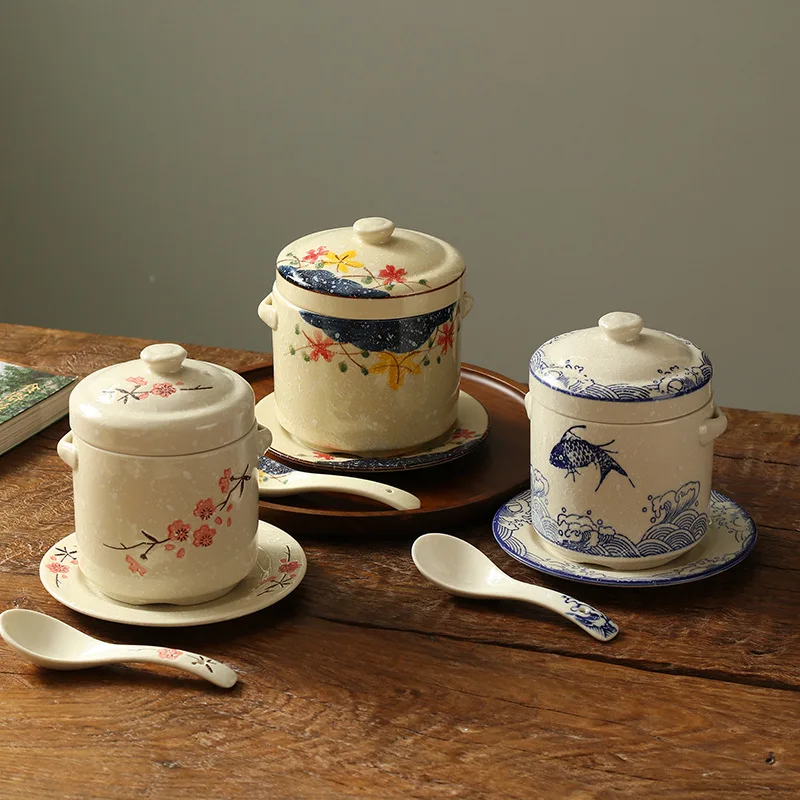
If you’re looking for a unique option, consider a ceramic stew pot from Japan, known for its meticulous craftsmanship and double-lid designs that enhance heat retention. These pots often include features like built-in egg cups for steaming, adding versatility to your cooking.
Ceramic Stew Pot Japan Plum Blossom Stew Bowl Double Lid Stewed Bird’s Nest Steamed Egg Double Handle Egg Cup Kitchen Tableware
For a beautifully crafted option, consider the Ceramic Stew Pot Japan Plum Blossom Stew Bowl with double lid and double handles—ideal for steaming bird’s nest or eggs.
Frequently asked questions
Can I use a ceramic stew pot on an induction cooktop?
Only if the pot is specifically labeled as induction-compatible. Most ceramic pots are not magnetic and require a converter plate. Check the manufacturer’s specifications before use.
Is it safe to put a ceramic stew pot in the oven?
Yes, most ceramic stew pots are oven-safe up to 400°F (200°C). Always check the lid and handles; some may have temperature limits. Avoid broiling unless stated.
How do I remove burnt food from a ceramic pot?
Soak the pot in warm water with baking soda for several hours, then scrub gently with a non-abrasive sponge. For tough residue, boil water with a splash of vinegar in the pot.
Can I store leftovers in my ceramic stew pot?
Yes, but allow the food to cool first. Avoid refrigerating the pot immediately after cooking to prevent thermal shock. Use a lid or plastic wrap to seal.
