
Blog
The Best Ceramic Stew Pot for Slow Cooking
Kitchen Essentials
Choose the Perfect Ceramic Stew Pot
A good ceramic stew pot can transform your cooking, delivering even heat and rich flavors. Whether you’re simmering stews or braising meats, this guide will help you pick the right one.
Why Choose a Ceramic Stew Pot?
Ceramic stew pots are prized for their even heat distribution and moisture retention. Unlike metal pots, ceramic heats slowly and steadily, making it ideal for gentle simmering. This prevents scorching and allows flavors to meld beautifully. Plus, the porous nature of ceramic can enhance the taste of your dishes over time.
Key Features to Look For
When shopping for a ceramic stew pot, consider these factors:
- Material Quality: Look for high-fired stoneware or porcelain that is non-porous and durable.
- Lid Design: A tight-fitting lid is crucial for trapping steam. Some pots feature a double lid for extra insulation.
- Handles: Wide, sturdy handles make it easy to carry the pot, even when full.
- Size: Choose a capacity that suits your household. Common sizes range from 2 to 6 quarts.
How Heat Retention Affects Cooking
Ceramic’s natural heat retention means your food stays warm long after you turn off the stove. This is especially useful for serving directly at the table. According to Wikipedia, ceramics have low thermal conductivity, which helps maintain steady temperatures. For slow-cooked dishes like stews or braises, this consistent heat is a game-changer.
Versatility Beyond Stews
A ceramic stew pot isn’t just for stews. Use it for baking bread, roasting vegetables, or even steaming rice. Many models are oven-safe up to 400°F, making them perfect for casseroles. Some even come with a steamer insert for dumplings or fish.
Caring for Your Ceramic Stew Pot
To extend the life of your pot, always allow it to cool before washing. Avoid sudden temperature changes, which can cause cracking. Hand wash with mild soap and a soft sponge; most ceramics are not dishwasher safe. Seasoning is not required, but a light oil rub can maintain the glaze.
Common Mistakes to Avoid
- Using high heat: Ceramic is meant for low to medium heat. High heat can cause thermal shock.
- Placing on a cold surface: Always use a trivet or hot pad to protect your countertop and the pot.
- Overfilling: Leave room for bubbling; fill no more than two-thirds full.
Choosing the Right Size for Your Needs
Consider how many people you cook for. A 3-quart pot is great for couples, while a 5-quart suits families. If you entertain often, a larger 7-quart pot can handle big batches of soup or chili.
Design and Aesthetics
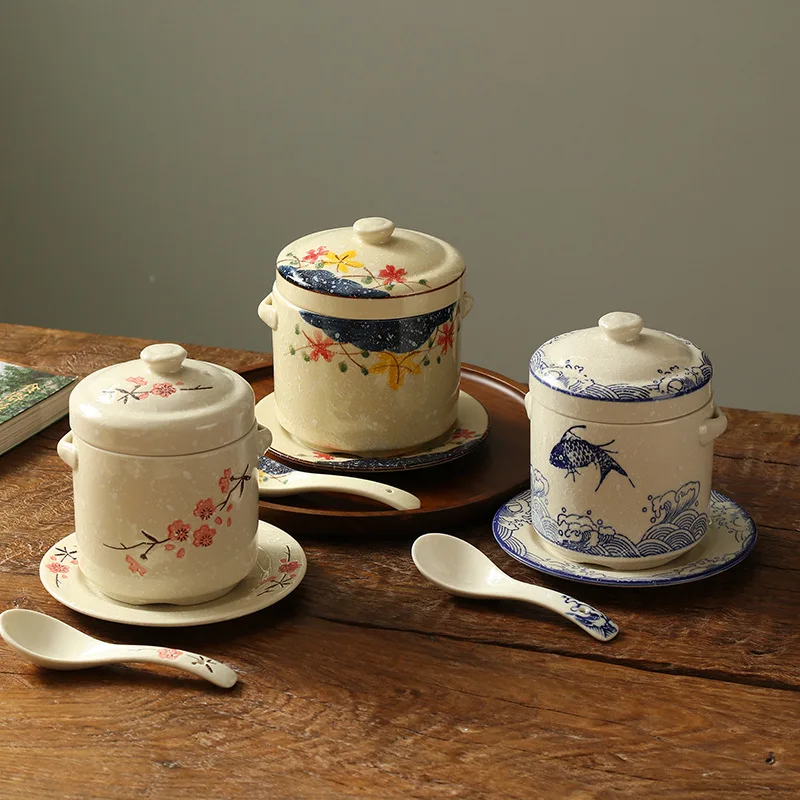
Ceramic pots come in various colors and glazes. While looks aren’t everything, a beautiful pot can go from stove to table. Glazed interiors are easier to clean and resist staining. Some pots feature decorative motifs, like floral patterns, that add charm to your kitchen.
Ceramic Stew Pot Japan Plum Blossom Stew Bowl Double Lid Stewed Bird’s Nest Steamed Egg Double Handle Egg Cup Kitchen Tableware
For a beautifully crafted option, consider the Ceramic Stew Pot Japan Plum Blossom Stew Bowl with double lid and handles, perfect for steaming and slow cooking.
Frequently asked questions
Can I use a ceramic stew pot on an induction cooktop?
Only if the pot is specifically labeled as induction-compatible. Most ceramic pots work on gas, electric, and halogen stoves, but not induction unless they have a ferromagnetic base.
Is a ceramic stew pot safe for the oven?
Yes, many ceramic stew pots are oven-safe up to 400°F (200°C). Always check the manufacturer’s guidelines to be sure.
How do I clean a burnt-on residue from my ceramic pot?
Fill the pot with water and baking soda, bring to a boil, then let it cool. Scrub gently with a non-abrasive pad. Avoid metal scouring pads as they can scratch the glaze.
What is the difference between ceramic and cast iron stew pots?
Cast iron retains heat longer and is heavier, while ceramic heats more evenly and is lighter. Ceramic is also non-reactive, so it won’t affect acidic foods like tomatoes.
