
Blog
Choosing the Perfect Ceramic Stew Pot for Your Kitchen
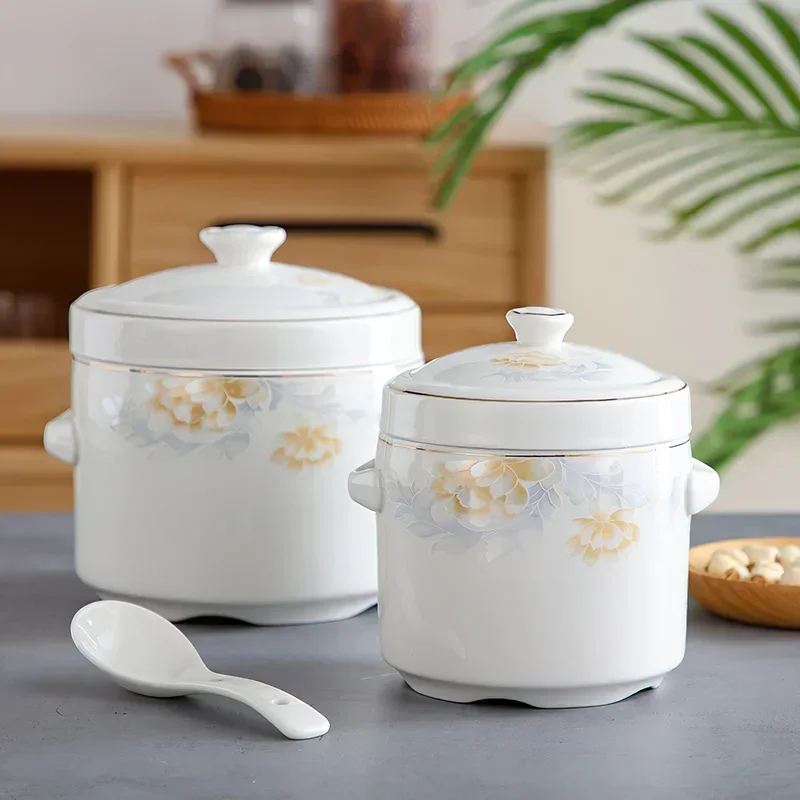
Kitchen Essentials
The Ceramic Stew Pot: A Kitchen Workhorse
A ceramic stew pot is one of the most versatile tools you can own. Whether you’re simmering soups, braising meats, or baking bread, its even heat distribution and moisture retention make every dish better.
Why Choose a Ceramic Stew Pot?
Ceramic cookware has been cherished for centuries due to its ability to maintain steady temperatures and enhance flavors. A ceramic stew pot is ideal for slow cooking because the material heats evenly and holds heat well, reducing hot spots that can burn food. Additionally, ceramic is non-reactive, meaning it won’t leach metals or chemicals into your meals, preserving the natural taste of ingredients.
Key Features to Look For
When shopping for a ceramic stew pot, consider these important aspects:
- Material Quality: Look for high-fired stoneware or porcelain that is chip-resistant and durable.
- Lid Fit: A tight-fitting lid helps trap steam and moisture, essential for braising and stewing.
- Handles: Large, sturdy handles make it easier to lift the pot, especially when full.
- Glaze: Ensure the glaze is lead-free and food-safe. A smooth interior prevents sticking and simplifies cleaning.
Size and Capacity: Finding the Right Fit
Ceramic stew pots come in various sizes, from small 1-quart pots for sauces to large 7-quart pots for family meals. Consider your typical batch size: a 3- to 5-quart pot works well for most households. Also, think about storage space—larger pots may be heavy and require dedicated cabinet room.
How to Use a Ceramic Stew Pot
Using a ceramic stew pot is straightforward, but there are a few tips to maximize its performance:
- Preheat Gradually: Avoid placing a cold pot on a hot burner; instead, warm it slowly to prevent thermal shock.
- Use Medium-Low Heat: Ceramic retains heat well, so you don’t need high settings. Most cooking can be done on low or medium.
- Avoid Sudden Temperature Changes: Don’t add cold liquid to a hot pot or place a hot pot on a cold surface.
- Hand Wash Recommended: While some ceramic pots are dishwasher-safe, hand washing extends their life.
Caring for Your Ceramic Stew Pot
Proper care ensures your ceramic stew pot lasts for years. After cooking, let it cool before washing. Use a soft sponge and mild detergent; avoid abrasive cleaners that can scratch the glaze. For stubborn stains, soak the pot with baking soda and water. Store with the lid slightly ajar to allow air circulation and prevent odors.
Comparing Ceramic to Other Materials
Ceramic stew pots offer distinct advantages over metal or glass cookware. Unlike metal, ceramic doesn’t react with acidic foods like tomatoes or citrus. Compared to glass, ceramic is more durable and retains heat better. However, ceramic can be heavier and more prone to chipping if dropped. For those who value even cooking and flavor purity, ceramic is a top choice. For more on cookware materials, see Wikipedia’s guide on cookware.
Conclusion: Investing in Quality
A well-made ceramic stew pot is a worthwhile investment for any home cook. It delivers consistent results, enhances flavors, and adds a touch of rustic beauty to your kitchen. Take your time to choose a pot that fits your cooking habits and care preferences. And if you’re looking for a unique, creative design, consider the Ceramic Stew Pot Korean Creative Egg Bird’s Nest Dessert Bowl Double Lid Soup Cup—perfect for individual servings and charming presentations.
Ceramic Stew Pot Korean Creative Egg Bird’s Nest Dessert Bowl Double Lid Soup Cup Tableware Home Kitchen Supplies Dropshipping
For a unique twist, the Ceramic Stew Pot Korean Creative Egg Bird’s Nest Dessert Bowl Double Lid Soup Cup offers an artistic design perfect for individual servings.
Frequently asked questions
Can I use a ceramic stew pot on an induction cooktop?
It depends on the pot. Some ceramic pots have a magnetic base for induction, but many are only suitable for gas, electric, or ovens. Check the manufacturer’s specifications before use.
Is it safe to put a ceramic stew pot in the oven?
Yes, most ceramic stew pots are oven-safe up to a certain temperature (usually around 400-500°F). Always check the lid and handles, as some may have plastic components that are not oven-safe.
How do I remove burnt food from a ceramic stew pot?
Fill the pot with water and add a few tablespoons of baking soda. Bring to a boil, then let it sit for 15 minutes. Use a wooden or silicone spatula to gently scrape away residue. Avoid metal utensils that could scratch the surface.
Are ceramic stew pots eco-friendly?
Ceramic is made from natural clay and minerals, and high-quality pots are durable and long-lasting, reducing waste. However, the manufacturing process does consume energy. Choosing a pot that lasts for decades can be considered more sustainable than frequently replacing cheap alternatives.
