
Blog
The Ultimate Guide to Choosing a Clear Tablecloth
Buying Guide
How to Pick the Perfect Clear Tablecloth
A clear tablecloth can transform your dining setup, blending protection with elegance. Whether you’re hosting a dinner party or shielding a cherished table, this guide helps you choose wisely.
Why Choose a Clear Tablecloth?
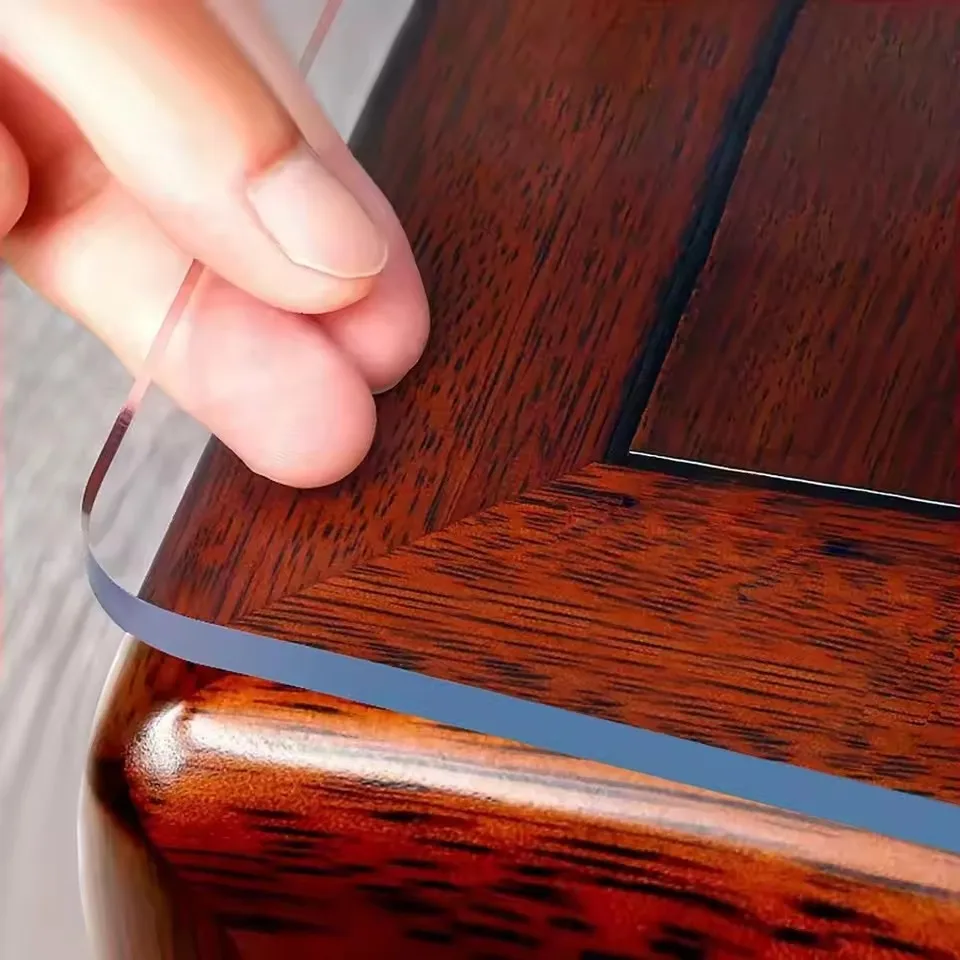
A clear tablecloth offers the best of both worlds: it protects your table from spills, scratches, and heat while showcasing the beauty of the wood or design underneath. Unlike opaque cloths, it doesn’t hide your table’s natural charm. Whether you have a rustic farmhouse table or a modern glass top, a clear tablecloth keeps it visible and safe.
Many people worry that clear tablecloths look cheap or plastic-like. But modern materials have evolved. High-quality PVC or vinyl options are soft, flexible, and virtually invisible. They lie flat without bubbles and feel smooth to the touch. With the right choice, guests may not even notice the cover—until they spill red wine and you simply wipe it away.
Key Factors When Buying a Clear Tablecloth
To find the best clear tablecloth for your needs, consider these essential factors:
- Material: Most clear tablecloths are made from PVC (polyvinyl chloride) or vinyl. PVC is durable and waterproof, while vinyl is slightly softer. Look for food-grade, BPA-free options for safety.
- Thickness: Measured in mils (thousandths of an inch). Thinner covers (1-2 mil) are lightweight and low-cost but may wrinkle. Medium (3-4 mil) offers good durability without stiffness. Thick (5+ mil) provides heavy-duty protection but can be less flexible.
- Size and Fit: Measure your table’s length and width, then add 6-12 inches for overhang. Some covers come with elastic edges for a snug fit, while others are cut-to-size.
- Transparency: High-quality clear tablecloths are crystal clear, not cloudy. Check customer photos or reviews to see real-world clarity.
- Care: Most can be wiped clean with a damp cloth. Some are dishwasher safe or machine washable. Avoid abrasive cleaners that may scratch.
Material Deep Dive: PVC vs. Vinyl vs. Silicone
While all clear tablecloths share transparency, the material affects performance and feel. Here’s a breakdown:
PVC (Polyvinyl Chloride)
PVC is the most common material for clear tablecloths. It’s durable, waterproof, and resistant to oil and stains. Modern PVC is phthalate-free and soft to the touch. It may have a slight chemical smell initially, which fades after airing out. PVC is also heat-resistant up to about 140°F (60°C), so hot plates can leave marks.
Vinyl
Vinyl is often used interchangeably with PVC, but technically vinyl is a type of PVC with added plasticizers for flexibility. Vinyl tablecloths are very soft and drape well, but they may be less durable over time. They are also prone to sticking to smooth surfaces when rolled out.
Silicone
Silicone mats are a newer alternative, often used as placemats rather than full tablecloths. They are heat-resistant up to 450°F (230°C) and non-stick. However, they are heavier, more expensive, and less transparent than PVC. Silicone is best for hot dishes or baking projects.
For most households, a thick PVC clear tablecloth offers the best balance of clarity, durability, and value. For more on PVC materials, see Wikipedia’s article on PVC.
Thickness Guide: Which Mil Is Right for You?
Thickness is measured in mils (1 mil = 0.001 inch). Here’s what to expect:
- 1-2 mil: Very thin, like a plastic wrap. Cheap but prone to wrinkles and tears. Best for temporary use or events.
- 3-4 mil: Medium thickness, similar to a shower curtain. Good durability, lies flat, and resists minor scratches. Ideal for everyday dining.
- 5-8 mil: Heavy-duty, like a yoga mat. Excellent protection against scratches and heat. May be stiffer and less drapable. Great for high-traffic tables or craft areas.
- 10+ mil: Extremely thick, almost rigid. Used for industrial or outdoor tables. Not recommended for dining due to lack of flexibility.
For most homes, a 3-5 mil clear tablecloth offers the right combination of protection and elegance.
How to Measure Your Table for a Perfect Fit
A proper fit avoids slipping and looks polished. Follow these steps:
- Measure the length and width of your tabletop (or diameter for round tables). Use a metal tape measure for accuracy.
- Decide on overhang: Typically 6-12 inches on each side. For a formal look, 12 inches is standard; for casual, 6-8 inches is fine.
- Add twice the overhang to both length and width. Example: 60×40 table with 10-inch overhang needs 80×60 cloth.
- If your table has leaves, measure when fully extended.
- For round tables, add twice the overhang to the diameter.
Many retailers offer custom sizes, or you can buy a larger piece and trim it with scissors.
Caring for Your Clear Tablecloth
Proper maintenance keeps your clear tablecloth looking new:
- Daily cleaning: Wipe with a damp cloth or sponge. For sticky residue, use mild dish soap. Avoid abrasive pads that cause micro-scratches.
- Stain removal: For oil or grease, apply a little baking soda to absorb, then wipe. For ink or dye, use rubbing alcohol sparingly and rinse quickly.
- Storage: Roll the tablecloth up (don’t fold) to prevent creases. Store in a cool, dry place away from direct sunlight to avoid yellowing.
- Long-term care: Some PVC tablecloths can be washed in lukewarm water with a soft cloth. Machine washing is not recommended as it may cause wrinkles.
With gentle care, a quality clear tablecloth can last for years.
Style Tips: Making a Clear Tablecloth Work for You
A clear tablecloth is a blank canvas. Here are ideas to elevate your table setting:
- Layer with placemats: Use colorful fabric or bamboo placemats under the clear cover for a pop of color that’s protected.
- Use a table runner: Place a runner down the center, then cover with the clear tablecloth. The runner stays clean while adding texture.
- Showcase seasonal decor: Place leaves, pinecones, or fairy lights under the cloth for a festive look that’s safe from spills.
- Contrast with napkins: Bright cloth napkins or napkin rings stand out against the clear surface.
Remember, the goal is to highlight your table’s natural beauty while adding a layer of practicality.
Ultrathick Soft Glass Tablecloth Transparent PVC Table Cloth Waterproof Oil Proof Kitchen Dining Rectangular Table Cover Clear
For a reliable everyday option, consider the Ultrathick Soft Glass Tablecloth Transparent PVC Table Cloth, which offers durable protection with a soft, crystal-clear finish.
Frequently asked questions
Can a clear tablecloth damage my table’s finish?
Quality clear tablecloths made from PVC or vinyl are safe for finished wood. However, if your table has a delicate antique finish or is unfinished, it’s best to use a protective felt pad underneath. Also, avoid leaving the cover on for extended periods in humid conditions, as moisture can get trapped.
How do I remove wrinkles from a clear tablecloth?
To remove wrinkles, lay the tablecloth flat and gently heat it with a hairdryer on low setting, keeping the dryer moving. Alternatively, roll it tightly and let it sit for a few hours. Avoid ironing, as high heat can melt PVC.
Is a clear tablecloth heat resistant?
Most PVC clear tablecloths can withstand temperatures up to about 140°F (60°C). Hot pots or pans directly from the stove can cause warping or melting. Always use trivets or hot pads under hot dishes.
Will a clear tablecloth turn yellow over time?
Cheaper PVC may yellow with exposure to sunlight or heat. Higher-quality clear tablecloths use UV stabilizers to resist yellowing. To prolong clarity, store away from direct sunlight and clean regularly.
