
Blog
The Ultimate Guide to Choosing a Computer Desk
Buying Guide
Find Your Ideal Computer Desk for Every Workspace
Your computer desk is the command center of your daily tasks, whether you’re working from home, gaming, or studying. It’s where focus meets function, and choosing the right one can transform your productivity and comfort.
Why Your Computer Desk Matters More Than You Think
Your desk isn’t just a piece of furniture; it’s the foundation of your workday. A well-chosen computer desk can boost your posture, keep your gear organized, and even elevate your mood. On the flip side, a poor choice can lead to back pain, clutter, and constant frustration. That’s why it’s worth taking the time to consider what you truly need before you buy.
Think about your daily routine: Do you spend hours typing? Do you need space for a monitor, laptop, and papers? Or are you a minimalist who just needs a spot for your laptop and a coffee mug? Your habits should drive your decision.
Key Factors to Consider When Buying a Computer Desk
When you start shopping, you’ll encounter a dizzying array of options. Breaking down your decision into key factors simplifies the process. Here are the essentials:
- Size and footprint: Measure your room and your gear. A desk that’s too big overwhelms a small space, while one that’s too small cramps your style.
- Material and durability: Wood, metal, glass, or a mix? Each has its pros and cons in terms of looks, longevity, and maintenance.
- Storage and organization: Drawers, shelves, cable management—think about what you need to keep tidy.
- Ergonomics: Height, legroom, and monitor placement affect your comfort and health.
- Style: Your desk should reflect your taste and fit your room’s decor.
Keep these in mind as you explore, and you’ll narrow down your options in no time.
Size and Space: Finding the Right Fit
Start with your room’s dimensions. Use a tape measure to map out where you plan to put the desk. Consider not just the desk’s footprint but also clearance for your chair and walking space. A good rule of thumb: leave at least 24 inches behind the desk for chair movement.
Next, think about your equipment. A standard computer desk is around 48 inches wide and 24 inches deep, but if you have a large monitor or multiple screens, you’ll need more depth. For small spaces, consider a corner desk or a compact writing desk. Remember, your desk should make your space feel larger, not smaller.
Materials and Durability: What’s Best for You
The material of your computer desk affects its durability, appearance, and price. Here’s a breakdown:
- Solid wood: Classic, sturdy, and long-lasting. It can be pricey but adds warmth to any room.
- Metal: Sleek, modern, and often lightweight. Metal desks are durable and easy to clean, but they can scratch or dent.
- Glass: Elegant and easy to wipe down, but it shows smudges and may not be as durable.
- Wood composites (MDF/particleboard): Budget-friendly and available in many finishes, but less durable and can warp over time.
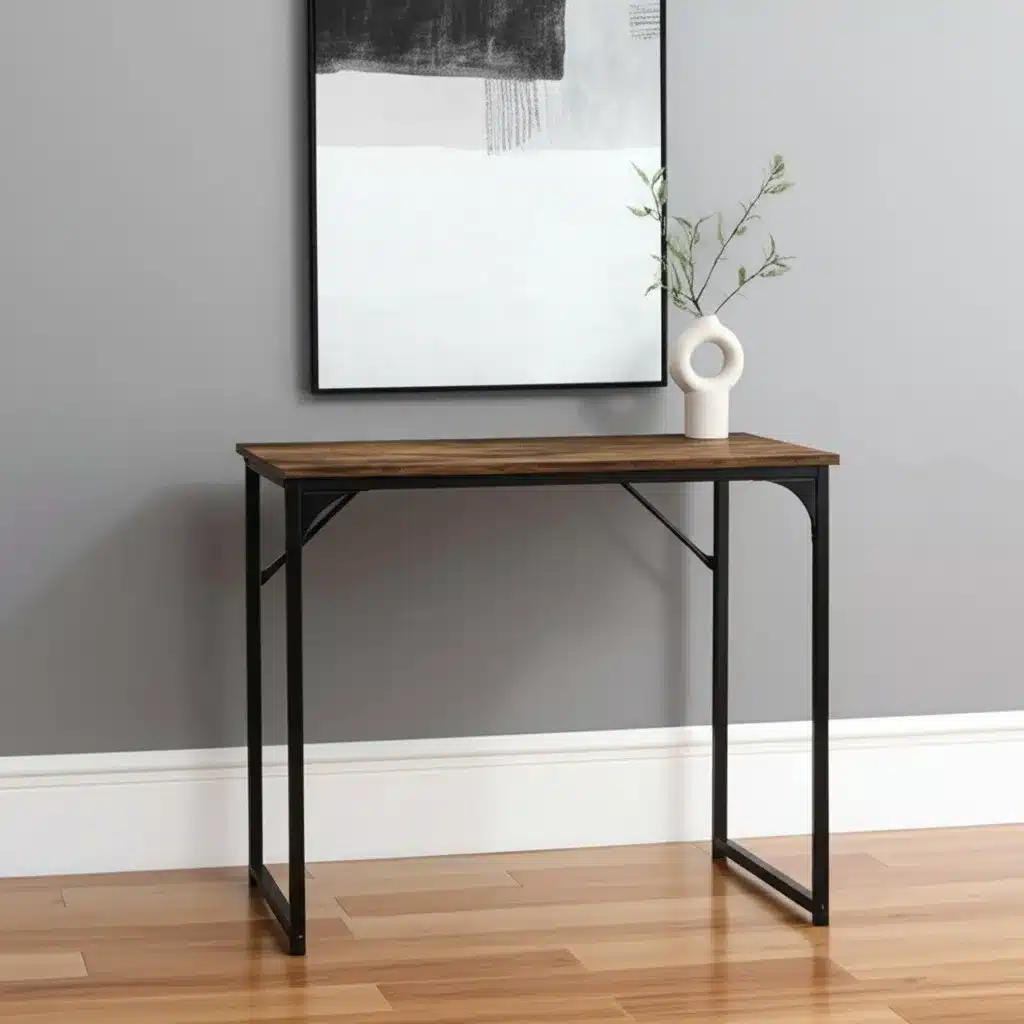
For a balance of style and sturdiness, a combination of wood and metal, like an H-shape frame with a wooden top, offers a mid-century modern vibe that’s both trendy and strong.
Ergonomics and Comfort: Your Body Will Thank You
Spending hours at a poorly designed desk can lead to neck pain, eye strain, and fatigue. Prioritize ergonomics to protect your health. The ideal desk height is around 28-30 inches, but your height and chair adjustability matter too. When seated, your forearms should be parallel to the floor, and your monitor should be at eye level.
If you’re taller or shorter than average, look for a desk with adjustable legs or a keyboard tray. Also, ensure the desk has enough legroom for you to stretch. A desk that’s too low or too high forces you into awkward postures. Remember, comfort is not a luxury; it’s a necessity for productivity.
Style and Aesthetics: Making It Yours
Your computer desk is a major piece of furniture in your room, so it should match your personal style. From minimalist Scandinavian to rustic farmhouse, there’s a desk for every taste. Consider the color, finish, and shape. A rectangular desk is classic, but an L-shaped or corner desk can maximize space and add visual interest.
Also, think about how the desk will blend with your existing furniture. A dark wood desk can anchor a light room, while a white desk can brighten a dark corner. Don’t be afraid to let your desk be a statement piece—it’s where you’ll spend a lot of your time.
Storage and Organization: Keep Your Workspace Tidy
A cluttered desk leads to a cluttered mind. Look for desks with built-in storage like drawers, shelves, or a hutch to keep your supplies within reach but out of the way. Cable management is another crucial feature—look for grommets or a cable tray to hide wires and keep your space neat.
If you prefer a minimalist look, a simple desk with a few open shelves might be enough. For those with lots of gear, a desk with a file drawer and a CPU holder can be a lifesaver. Think about what you need to store and choose accordingly.
Budget and Value: Investing Wisely
Computer desks range from under $50 to over $1000. While it’s tempting to go cheap, remember that your desk is an investment in your comfort and productivity. A well-made desk can last for years, so it’s worth spending a little more for quality. However, you don’t need to break the bank—there are plenty of affordable options that offer great value.
When comparing prices, consider the materials, construction, and features. A desk that’s easy to assemble and has a good warranty can save you headaches down the road. Also, factor in shipping costs and return policies. The best desk is one that meets your needs without straining your wallet.
Final Thoughts: Making the Right Choice
Choosing the perfect computer desk is a personal journey. Take your time, do your research, and trust your instincts. Remember, the best desk is the one that fits your space, your style, and your budget—and that makes you excited to sit down and work.
If you’re looking for a solid, stylish option, consider a desk with a sturdy H-shape metal frame and a warm brown wooden top. It’s a versatile choice that pairs well with any decor. For more inspiration, check out this article on desks to learn about different styles and history. Happy hunting!
32″ Brown and Black Wood and Metal H-Shape Computer Desk Stylish Office Desks
For a reliable and stylish choice, check out the 32″ Brown and Black Wood and Metal H-Shape Computer Desk Stylish Office Desks, which combines a sturdy frame with a warm wooden top to fit seamlessly into any workspace.
Frequently asked questions
What is the standard height for a computer desk?
The standard height for a computer desk is around 28 to 30 inches, which suits most adults. However, the ideal height depends on your own height and chair. When seated, your elbows should be at a 90-degree angle, and your feet should rest flat on the floor.
How do I choose a computer desk for a small space?
For small spaces, consider a compact desk, a corner desk, or a wall-mounted desk. Look for models with built-in storage to maximize efficiency. Measure your space carefully and ensure there’s enough room for your chair and movement.
What is the best material for a computer desk?
The best material depends on your needs. Solid wood is durable and classic, but it can be heavy and expensive. Metal is sturdy and modern, while glass looks sleek but may show smudges. Wood composites are budget-friendly but less durable. A combination of wood and metal offers a balance of style and strength.
How can I make my computer desk more ergonomic?
To make your desk more ergonomic, ensure the desk height is correct, use an adjustable chair with lumbar support, position your monitor at eye level, and keep your keyboard and mouse within easy reach. Consider using a footrest and taking regular breaks to stretch.
