Blog
How to Choose the Perfect Console Table for Your Home
Buying Guide
Find Your Ideal Console Table Today
A console table is one of the most versatile pieces of furniture you can own. Whether placed in an entryway, behind a sofa, or along a hallway, it offers both style and function.
What Is a Console Table and Why You Need One
A console table is a narrow, long table designed to fit against a wall or behind furniture. Its slim profile makes it perfect for tight spaces where a full-size table would be too bulky. Historically, console tables originated in 17th-century France as ornate wall-mounted pieces, but today they come in countless styles and materials. Whether you need a spot for keys and mail or a surface for decorative objects, a well-chosen console table can anchor a room and provide valuable storage. Learn more about the history of console tables on Wikipedia.
Choosing the Right Size Console Table for Your Space
Measure your available wall space before shopping. A good rule of thumb: the console table should be about half the width of the wall it sits against, and no deeper than 14–18 inches to maintain walkways. Height typically ranges from 28 to 34 inches, matching standard sofa arms or entryway counters. For small foyers, a narrow 30-inch console table works wonders; for larger living rooms, consider a 60-inch or longer piece. Always leave at least 36 inches of clearance in front of the table for comfortable movement.
Console Table Styles: From Modern to Traditional
Your console table should complement your existing decor. Modern styles feature clean lines, metal legs, and glass or glossy finishes. Traditional options boast carved wood, turned legs, and rich stains. Industrial designs mix metal and reclaimed wood for a rustic feel. Farmhouse consoles often have distressed finishes and X-framing. Mid-century modern pieces showcase tapered legs and organic shapes. Don’t be afraid to mix styles—a sleek console table can add contrast to a traditional room, while a vintage piece can warm up a contemporary space.
Material Matters: Wood, Metal, Glass, and More
- Solid wood: Durable and timeless, but heavier and pricier. Oak, walnut, and pine are common.
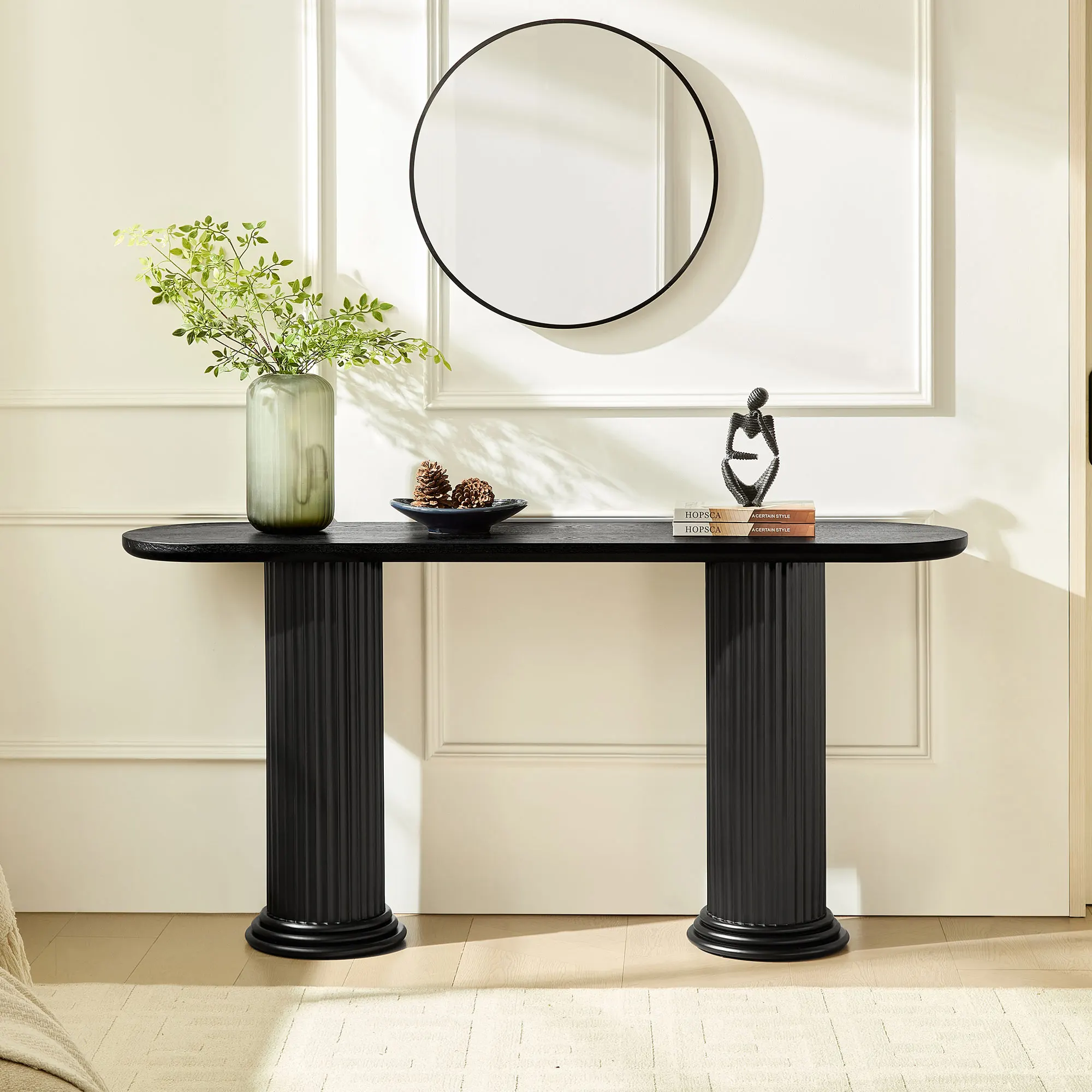
- MDF (medium-density fiberboard): Affordable and smooth; ideal for painted finishes. Our recommended Goldoma 63” Modern Console Table uses high-quality MDF for stability.
- Metal: Often used for legs or frames; steel and iron add an industrial edge.
- Glass: Creates an airy feel but shows fingerprints and requires frequent cleaning.
- Marble or stone: Luxurious but heavy and expensive; best for low-traffic areas.
Functionality: Storage, Display, or Both
Consider what you’ll use the console table for. If it’s in an entryway, drawers or shelves can hold keys, mail, and pet supplies. A living room console behind a sofa might display lamps, books, or art. For a hallway, keep it minimal with a catch-all tray and a vase. Some console tables come with lower shelves for baskets or bins—great for hiding clutter. If you need extra seating, look for a console table with a stool tucked underneath.
How to Style Your Console Table Like a Pro
Start with a focal point: a large mirror, artwork, or a bold lamp. Layer in items of varying heights—stack books, add a small plant, and include a decorative bowl. Use odd numbers for visual balance (three items often look best). Keep the surface uncluttered; leave negative space to let each piece breathe. In an entryway, include a tray for keys and a dish for coins. For a living room, add personal touches like framed photos or sculptures. Change accessories seasonally to keep the look fresh.
Placement Ideas: Where to Put Your Console Table
The most common spot is the entryway, where it serves as a landing station. Behind a sofa, a console table can hold lamps and provide a surface for drinks and remotes. In a long hallway, it breaks up the corridor and offers a place to display art. Under a window, it can double as a plant stand. In a bedroom, a console table works as a minimalist vanity or a dresser alternative. Even in a dining room, a console against the wall can store serving pieces or act as a buffet.
Budget Considerations and Value
Console tables range from under $100 to over $1,000. Set a budget based on material and construction quality. Solid wood pieces cost more but last decades. MDF and laminate options are budget-friendly and still stylish. Watch for sales and consider open-box or floor models. Remember that a well-made console table is an investment in your home’s functionality and beauty. Don’t sacrifice quality for price—a wobbly table will disappoint.
Goldoma 63” Modern Console Table with Roman Legs – MDF Wood Entryway Table
For a modern touch with timeless appeal, the Goldoma 63” Modern Console Table with Roman Legs offers sturdy MDF construction and elegant design that fits seamlessly into any decor.
Frequently asked questions
What is the standard height of a console table?
Most console tables are 28 to 34 inches tall, which aligns with standard sofa arm heights and entryway counters. Choose a height that complements your existing furniture and intended use.
How deep should a console table be?
Ideal depth is 12 to 18 inches. Narrower tables (12-14 inches) work well in tight hallways, while deeper ones (16-18 inches) offer more display space. Ensure at least 36 inches of clearance in front for easy movement.
Can a console table be used as a desk?
Yes, many console tables double as desks, especially those with a flat surface and enough leg room. However, consider depth: a 15-inch deep console may be too shallow for a computer keyboard. Look for at least 20 inches depth for comfortable desk use.
What materials are best for a console table?
Solid wood offers durability and classic appeal. MDF is cost-effective and smooth for painted finishes. Metal and glass create modern looks but require more upkeep. Choose based on your style, budget, and how much wear the table will endure.