
Blog
The Ultimate Convertible Sectional Sleeper Buying Guide
Buying Guide
Your Guide to Choosing a Convertible Sectional Sleeper
A convertible sectional sleeper is a smart investment for any home, offering seating by day and a bed by night. Here’s what you need to know before buying.
Why Choose a Convertible Sectional Sleeper?
A convertible sectional sleeper combines the best of both worlds: a comfortable couch and a convenient bed. It’s ideal for small apartments, home offices, or any room that needs to pull double duty. Unlike traditional sofa beds, these sectionals often offer more seating space and a smoother transition from sofa to sleep surface.
Key Features to Look For
When shopping for a convertible sectional sleeper, pay attention to the frame, mattress, and mechanism. A hardwood frame ensures durability, while a high-density foam mattress provides support. Look for a mechanism that is easy to operate—preferably one that folds out without removing cushions.
Size and Configuration
Measure your space carefully. Convertible sectionals come in L-shapes, U-shapes, and modular designs. Consider how many people need to sleep and whether you want a chaise on the left or right. A standard 3-seater with a pull-out bed works well for most rooms.
Material and Upholstery
Choose a fabric that matches your lifestyle. Chenille is soft and durable, while leather is easy to clean. For homes with pets or kids, look for stain-resistant or removable covers. The color should complement your existing decor—neutral tones like grey or beige offer versatility.
Comfort and Support for Sleeping
Not all sleeper sectionals are created equal for sleeping. Test the mattress thickness—ideally at least 4 inches. Some models include memory foam toppers for extra comfort. If possible, lie down on the display model to assess support. A good convertible sectional sleeper should feel as comfortable as a regular bed.
Mattress Types
- Innerspring: traditional, supportive but can be heavy.
- Memory foam: contours to body, excellent pressure relief.
- Air coil: lightweight and easy to fold, but may wear faster.
Storage and Additional Features
Many convertible sectionals include hidden storage under the chaise or seat cushions—perfect for blankets and pillows. Some models have cup holders or USB ports. Decide which extras matter to you, but don’t sacrifice core comfort for gimmicks.
Assembly and Maintenance
Most convertible sectionals require some assembly, such as attaching legs or connecting pieces. Look for models with clear instructions and minimal tools. For maintenance, vacuum upholstery regularly and spot-clean spills promptly. Rotate cushions to prevent uneven wear.
For more on choosing the right sofa bed, check out this Wikipedia article on sofa beds.
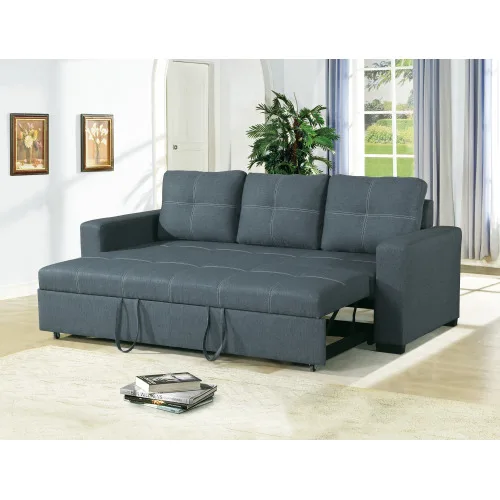
Goldoma Convertible Sectional Sleeper Sofa – Blue Grey Chenille, Foldable 3-Seater
For a reliable option, consider the Goldoma Convertible Sectional Sleeper Sofa – Blue Grey Chenille, Foldable 3-Seater, which offers a smooth transition and comfortable sleeping surface.
Frequently asked questions
What is the difference between a sleeper sectional and a convertible sectional?
A sleeper sectional typically has a pull-out bed frame hidden inside, while a convertible sectional transforms by folding down the back or seat. Both offer sleeping functionality, but convertible models often have simpler mechanisms.
How much space do I need for a convertible sectional sleeper?
Measure the area when the sectional is fully extended as a bed. For a 3-seater, allow at least 80 inches in length and 48 inches in depth. Always check the product dimensions before buying.
Are convertible sectional sleepers comfortable for everyday use?
Yes, many modern models use high-density foam or memory foam mattresses that rival traditional beds. For daily use, opt for a thicker mattress (at least 5 inches) and a supportive frame.
How do I clean and maintain a chenille convertible sectional?
Vacuum with a soft brush attachment weekly. For spills, blot immediately with a clean cloth—avoid rubbing. Use a mild upholstery cleaner for deeper stains. Check the manufacturer’s label for specific care instructions.