
Blog
The Best Copper Peptides Moisturizer for Mature Skin
Skincare Guide
How to Choose a Copper Peptides Moisturizer That Works
A copper peptides moisturizer can transform mature, dry, or sensitive skin by supporting collagen and repair. But not all formulas deliver equal results.
What Makes a Copper Peptides Moisturizer Effective?
Copper peptides are short chains of amino acids that bind copper ions, naturally present in the body to aid wound healing and collagen production. When applied topically, a quality copper peptides moisturizer can help firm skin, reduce fine lines, and improve texture. Look for stabilized peptides like GHK-Cu, which is the most researched form.
Key ingredients that complement copper peptides include:
- Hyaluronic acid for hydration
- Ceramides to support the skin barrier
- Antioxidants like vitamin C or E
- Natural oils such as jojoba or shea butter
Avoid formulas with harsh alcohols, synthetic fragrances, or excessive preservatives that can degrade peptides. For more on peptide science, see Wikipedia’s peptide overview.
Who Benefits Most from a Copper Peptides Moisturizer?
Mature skin: After age 30, natural collagen production declines. A copper peptides moisturizer can stimulate fibroblasts to produce new collagen, reducing sagging and wrinkles.
Dry skin: Peptides help strengthen the moisture barrier, while humectants draw water into the skin. Pair with a rich base like tallow or shea butter for deep nourishment.
Sensitive skin: Copper peptides have anti-inflammatory properties that calm redness and irritation. However, patch test first, as some formulas contain active ingredients that may cause purging.
Skin Types That See the Most Improvement
- Fine lines and wrinkles
- Loss of firmness or elasticity
- Uneven skin tone or dullness
- Post-procedure recovery (e.g., microneedling)
How to Layer a Copper Peptides Moisturizer in Your Routine
For best results, apply your copper peptides moisturizer after water-based serums but before heavier oils or sunscreen. Here’s a simple PM routine:
- Cleanse with a gentle, non-stripping cleanser.
- Apply a hydrating toner or essence.
- Use a treatment serum (vitamin C in AM, retinol in PM—alternate days with copper peptides).
- Apply the copper peptides moisturizer while skin is still damp.
- Seal with a facial oil if needed.
Important: Do not mix copper peptides with strong acids (like AHAs/BHAs) or high-concentration vitamin C in the same step, as pH conflicts can reduce efficacy.
Ingredients to Look for in a Copper Peptides Moisturizer
Beyond the peptide itself, the base matters. For dry or mature skin, look for nourishing ingredients:
- Beef tallow: Rich in fat-soluble vitamins A, D, E, and K, closely mimics skin’s own sebum.
- Manuka honey: Humectant with antibacterial properties, soothes sensitive skin.
- PDRN (polydeoxyribonucleotide): Derived from salmon DNA, supports cell regeneration and wound healing.
- Blue balm or blue tansy: Calming anti-inflammatory oils.
A formula that combines GHK-Cu with these ingredients can address multiple concerns: firming, hydration, barrier repair, and soothing.
Common Mistakes to Avoid When Using Copper Peptides
Overuse: More isn’t better. Stick to once or twice daily, as directed. Using multiple peptide products can cause irritation.
Wrong pH: Copper peptides work best at a pH around 5–6. Avoid layering with very acidic or alkaline products.
Skipping sunscreen: Copper peptides can increase cell turnover, making skin more sensitive to UV. Always use SPF 30+ in the morning.
Expecting overnight results: Collagen synthesis takes time. Consistent use over 8–12 weeks yields visible improvements in firmness and fine lines.
Copper Peptides Moisturizer vs. Other Anti-Aging Ingredients
Retinol is a gold standard for anti-aging, but it can be drying and irritating. A copper peptides moisturizer offers a gentler alternative, especially for sensitive or dry skin. While retinol speeds up cell turnover, peptides signal repair without disrupting the barrier.
Vitamin C is a potent antioxidant that brightens and protects. However, it’s unstable and can oxidize quickly. Copper peptides complement vitamin C by supporting collagen, but they shouldn’t be used together in the same routine—use vitamin C in the AM and copper peptides in the PM.
Growth factors are more potent but also more expensive and less stable. Copper peptides provide a balanced, well-researched option for long-term skin health.
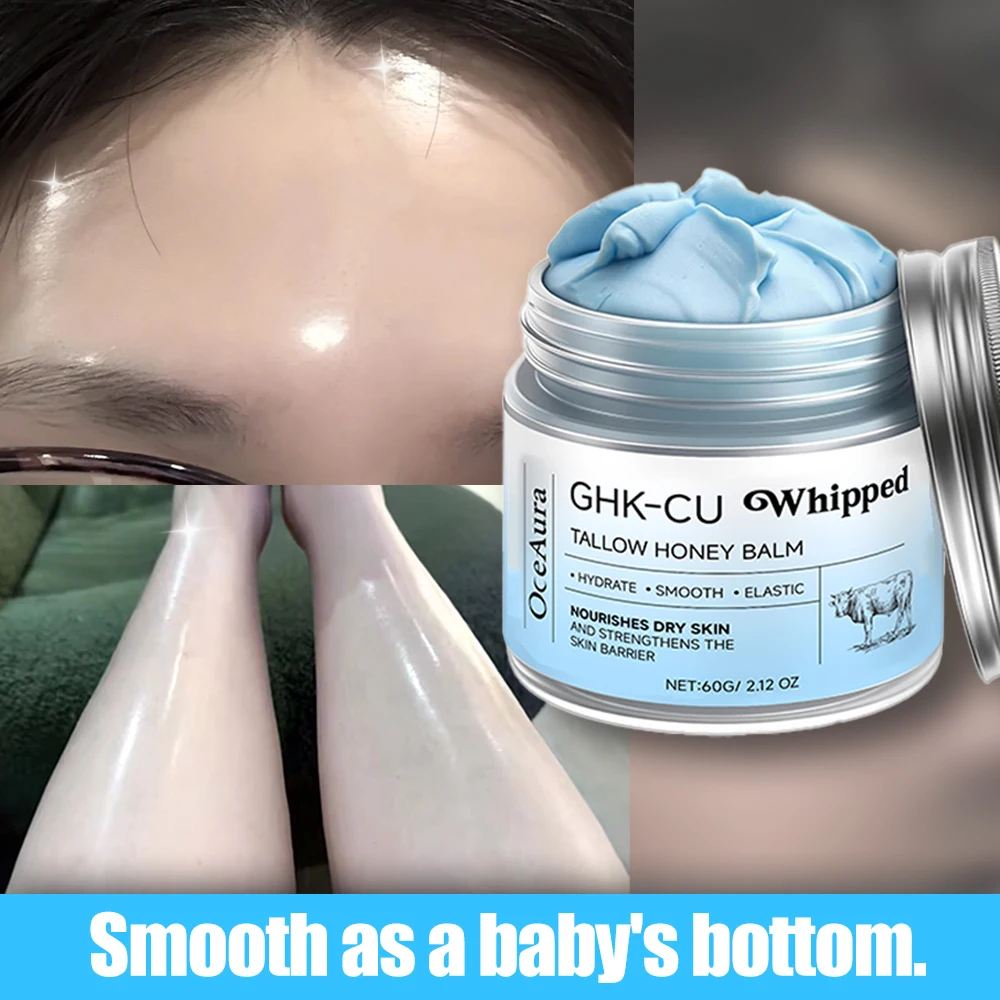
Copper Peptides PDRN GHK-Cu Beef Tallow for Skin Blue Balm Manuka Honey Face and Body Moisturizer Mature Dry & Sensitive Skin
For a deeply nourishing option, consider our Copper Peptides PDRN GHK-Cu Beef Tallow for Skin Blue Balm Manuka Honey Face and Body Moisturizer, which combines these powerhouse ingredients for mature, dry, and sensitive skin.
Frequently asked questions
Can I use copper peptides moisturizer with retinol?
Yes, but not at the same time. Use retinol in your PM routine on alternate nights, or apply retinol first, wait 20 minutes, then layer a copper peptides moisturizer. Some users alternate nights to avoid irritation.
How long does it take to see results from a copper peptides moisturizer?
Most people notice smoother texture and improved hydration within 2-4 weeks. Firmer skin and reduced fine lines typically appear after 8-12 weeks of consistent use.
Is a copper peptides moisturizer safe during pregnancy?
Copper peptides are generally considered safe, but always consult your healthcare provider. Avoid any products with high levels of vitamin A derivatives (retinoids). Stick to gentle, fragrance-free formulas.
Can I use copper peptides moisturizer around my eyes?
Yes, but choose a formula that is non-irritating and free of essential oils. Apply a tiny amount with your ring finger, dabbing gently along the orbital bone. Avoid direct contact with eyes.