
Blog
The Ultimate Corner Computer Desk Buying Guide
Buying Guide
Your Complete Corner Computer Desk Buying Guide
A corner computer desk can transform an unused nook into a productive workspace, but finding the right one requires careful thought. This guide will walk you through every consideration, from dimensions to materials, so you can make an informed choice.
Why Choose a Corner Computer Desk?
Corner computer desks are a brilliant solution for maximizing limited square footage. They tuck neatly into corners, utilizing space that might otherwise go to waste. This design not only frees up floor area but also provides ample surface for multiple monitors, paperwork, or creative projects. Whether you’re a student in a compact dorm or a professional working from home, a corner desk can be a game-changer.
Moreover, corner desks create a natural separation between your work zone and the rest of the room, helping you maintain focus. They also offer a sense of enclosure that some people find cozy and conducive to concentration. If you’re looking to optimize your workspace, a corner computer desk is a smart investment.
Key Factors to Consider Before Buying
Before you start shopping, it’s essential to assess your needs and the physical constraints of your room. Here are the critical factors to keep in mind:
- Available Space: Measure the corner where the desk will go. Account for both the width and depth of the desk, as well as clearance for the chair and drawers.
- Ergonomics: Your desk height should complement your chair, allowing your arms to rest at a 90-degree angle. The monitor should be at eye level to prevent neck strain.
- Storage Needs: Consider how much storage you require. Some corner desks come with shelves, drawers, or hutches, while others are minimalist.
- Style and Aesthetics: Choose a desk that matches your room’s decor. Whether you prefer modern, rustic, or industrial, there’s a corner desk to suit your taste.
Material Matters: Wood, Metal, or Glass?
The material of your corner computer desk affects not only its appearance but also its durability and maintenance. Here’s a breakdown:
Wood
Wooden desks are classic and warm. They can be made from solid wood, which is sturdy and long-lasting, or engineered wood like MDF, which is more affordable. Solid wood desks are heavier and may require more care, but they age beautifully. Engineered wood is lighter and more resistant to scratches, making it a practical choice for budget-conscious buyers.
Metal
Metal desks offer a modern, industrial look. They are typically very durable and easy to clean. However, they can be prone to scratches and may not provide the warmth of wood. Some metal desks feature a powder-coated finish for added protection.
Glass
Glass desks are sleek and can make a small room feel larger. They are easy to wipe down but require frequent cleaning to avoid smudges. Tempered glass is stronger and safer than regular glass, so look for that if you choose this style.
Size and Configuration: Finding the Right Fit
Corner computer desks come in various configurations, each with its own benefits. The most common types are L-shaped, U-shaped, and corner desks with a hutch. L-shaped desks are the most popular, offering two work surfaces that meet at a corner. U-shaped desks provide even more space, wrapping around three sides, but they require a larger room.
When determining size, think about the equipment you’ll place on the desk. If you use a desktop computer with a large tower, you’ll need a dedicated spot for it. Also, consider the depth of the desk—ensure it’s deep enough to accommodate your monitor and keyboard comfortably without cramping your arms.
For those with limited space, a compact corner desk with a smaller footprint might be ideal. Some desks come with adjustable shelves or keyboard trays to maximize functionality in a tight area.
Ergonomics and Comfort: Work Without the Ache
Spending long hours at a poorly designed desk can lead to back, neck, and shoulder pain. Therefore, ergonomics should be a top priority. Here are some tips:
- Desk Height: The standard desk height is around 29-30 inches, but if you’re taller or shorter, you may need an adjustable desk or a desk with a keyboard tray to achieve the correct height.
- Monitor Placement: The top of your monitor should be at or slightly below eye level. If your desk is too low, consider a monitor stand.
- Keyboard and Mouse: Your elbows should be at a 90-degree angle when typing. If your desk is too high, a keyboard tray can help.
- Chair: Pair your desk with an ergonomic chair that supports your lower back and allows your feet to rest flat on the floor.
Remember, a corner desk can be ergonomic if you choose the right height and accessories. Don’t sacrifice your health for aesthetics.
Storage and Organization: Keep Clutter at Bay
One of the biggest advantages of a corner desk is the potential for ample storage. Many models include built-in shelves, drawers, and cabinets, which can help you keep your workspace tidy. When evaluating storage, consider the following:
- Drawers: Look for drawers that glide smoothly and can hold your office supplies, files, or personal items.
- Shelves: Open shelves are great for displaying books or decorative items, but they can accumulate dust. Closed storage keeps things hidden but may be less accessible.
- CPU Holder: If you have a desktop computer, a dedicated CPU holder on the desk or underneath can free up valuable surface space.
- Wire Management: Some desks come with cable management features like grommet holes or trays to keep cords organized.
Think about your daily workflow. What do you need within arm’s reach? A well-organized desk can boost your productivity and reduce stress.
Style and Aesthetics: Match Your Space
Your corner computer desk should not only be functional but also complement your room’s decor. With so many styles available, you can find one that reflects your personality. Here are some popular design trends:
- Minimalist: Clean lines, neutral colors, and simple designs that focus on functionality.
- Rustic: Wood finishes with a distressed look, often featuring metal accents for a farmhouse feel.
- Modern: Sleek materials like glass and metal, with a focus on geometric shapes.
- Industrial: A mix of raw wood and metal, often with an open frame for a rugged look.
When choosing a style, consider the existing furniture in the room. A desk that clashes with your other pieces can disrupt the harmony of the space. Also, think about the color—lighter colors can make a room feel brighter, while darker colors add a touch of sophistication.
Budget and Value: Get the Most for Your Money
Corner computer desks range from budget-friendly to high-end, so it’s important to set a budget before you start shopping. While it’s tempting to go for the cheapest option, remember that quality matters. A well-constructed desk can last for years, while a flimsy one might wobble or break after a few months.
When comparing prices, consider the materials, build quality, and included features. Sometimes spending a little more upfront can save you money in the long run if you avoid needing a replacement. Also, check for warranties—many reputable brands offer some form of guarantee.
Maintenance and Care: Keep It Looking New
Once you’ve chosen your corner computer desk, proper maintenance will ensure it stays in good condition. Here are some general tips:
- Dust Regularly: Use a soft cloth to wipe down surfaces to prevent dust buildup.
- Clean Spills Immediately: Liquids can damage wood finishes or cause stains on fabric, so address spills right away.
- Avoid Direct Sunlight: Prolonged exposure to sunlight can fade colors and warp wood.
- Tighten Hardware: Periodically check and tighten screws to prevent wobbling.
For specific care instructions, refer to the manufacturer’s guidelines. Following these simple steps will keep your desk looking beautiful and functioning well for years.
Final Thoughts
Choosing the right corner computer desk is a personal decision that depends on your space, needs, and style. By considering the factors outlined above, you can find a desk that not only looks great but also enhances your productivity and comfort. Remember to measure carefully, prioritize ergonomics, and select a design that brings you joy every time you sit down to work.
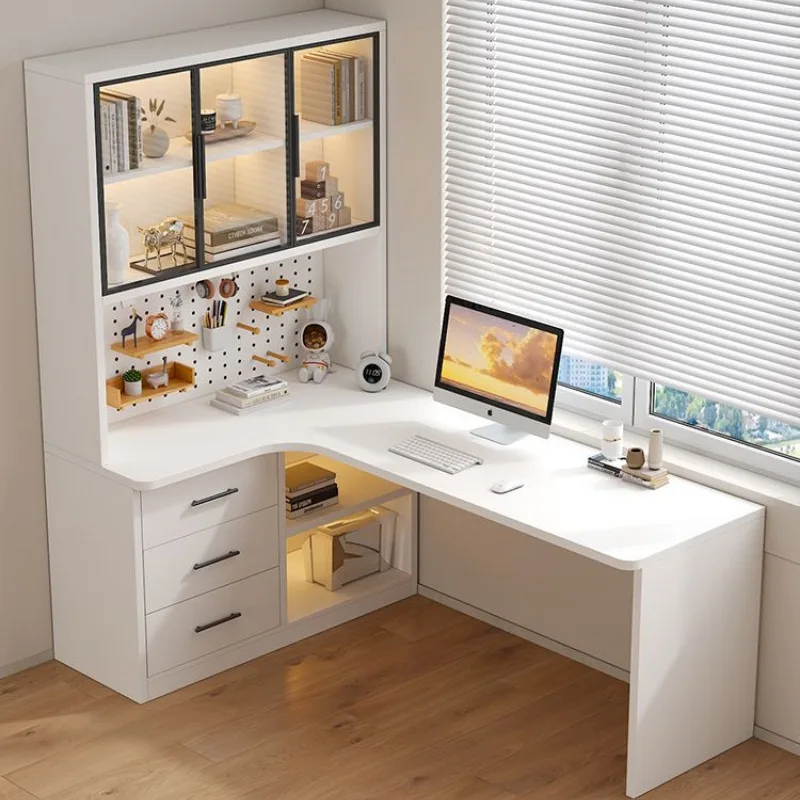
As you explore your options, you might come across the L Shaped Bookcase Integrated Computer Desk Corner Student Bedroom Home Simple Office Writing Desktop E-sports Computer Table, which offers a practical and stylish solution for many of these needs. Happy desk hunting!
L Shaped Bookcase Integrated Computer Desk Corner Student Bedroom Home Simple Office Writing Desktop E-sports Computer Table
For a versatile option that combines style and functionality, consider the L Shaped Bookcase Integrated Computer Desk Corner Student Bedroom Home Simple Office Writing Desktop E-sports Computer Table, which offers ample storage and a sleek design.
Frequently asked questions
What is the ideal size for a corner computer desk?
The ideal size depends on your available space and equipment. Measure the corner area and ensure the desk fits with at least 24 inches of depth for your monitor. Many corner desks are around 50-60 inches wide on each side, but compact models exist for smaller rooms.
How do I choose the right corner desk for a small room?
For small rooms, opt for a compact L-shaped desk with minimal footprint. Look for designs with built-in storage to maximize space. Also, consider a wall-mounted corner desk or one with a floating shelf to keep the floor clear.
Can a corner desk be ergonomic?
Yes, if you choose the right height and accessories. Ensure the desk height matches your chair, use a monitor stand if needed, and position your keyboard and mouse so your arms are at a 90-degree angle. An adjustable chair is also essential.
What materials are best for a corner desk?
Solid wood is durable and classic, while engineered wood (MDF) is budget-friendly and scratch-resistant. Metal offers a modern look and is very sturdy, and glass is sleek but requires more maintenance. Choose based on your style and durability needs.
