
Blog
The Ultimate Guide to Choosing a Deep Dish Pizza Pan
Buying Guide
Your Perfect Deep Dish Pizza Pan Awaits
A deep dish pizza pan is the key to achieving that thick, crispy crust and gooey center Chicago-style pizza is famous for. Whether you’re a home cook or aspiring pizzaiolo, the right pan makes all the difference.
Why a Deep Dish Pizza Pan Matters
A deep dish pizza pan isn’t just a baking tray; it’s a tool designed to create the iconic tall crust that holds generous layers of cheese, sauce, and toppings. Unlike a standard pizza pan, the deep dish version has higher sides—typically 1.5 to 2 inches—which contain the filling and promote even heat distribution. The result is a pizza that’s crispy on the outside and tender inside, without sogginess.
The material of your pan directly impacts baking performance. Carbon steel, aluminum, and cast iron are common choices, each with pros and cons. Carbon steel heats quickly and evenly, while cast iron retains heat for a long time. For most home bakers, a quality carbon steel deep dish pizza pan offers the best balance of affordability, durability, and results.
Key Features to Look For
Material: Carbon Steel vs. Aluminum vs. Cast Iron
Carbon steel is a favorite among bakers for its lightweight feel and excellent heat conduction. It develops a natural non-stick patina over time, similar to cast iron, but is easier to handle. Aluminum pans are lightweight and heat up fast, but they can warp at high temperatures. Cast iron is heavy and retains heat superbly, but it requires more maintenance and is harder to store.
For most home kitchens, a carbon steel deep dish pizza pan offers the best versatility. It works well in ovens up to 500°F and can be used for other dishes like cornbread or lasagna.
Size and Depth
Deep dish pizza pans come in diameters from 6 to 12 inches or more. A 10-inch pan is ideal for personal pizzas, while 12-inch is great for sharing. Depth matters too: a 1.5-inch depth is standard for Chicago-style, but deeper pans (2 inches) allow for extra toppings. Consider what you’ll bake most often and choose accordingly.
Non-Stick Coating
Non-stick coatings make cleanup a breeze and are great for beginners. However, they can wear over time and may not achieve the same crust browning as uncoated pans. If you prefer a natural non-stick surface, look for seasoned carbon steel or cast iron. For ease of use, a quality non-stick coating is perfectly fine.
How to Use and Care for Your Pan
To get the best results from your deep dish pizza pan, preheat it in the oven before adding the dough. This jump-starts the crust formation and ensures a crispy bottom. Grease the pan lightly with oil or butter, then press the dough evenly into the corners. Par-baking the crust for a few minutes before adding toppings can prevent sogginess.
For cleaning, avoid abrasive scrubbers that can damage non-stick coatings. Hand wash with mild soap and a soft sponge. For uncoated carbon steel, simply wipe clean and dry thoroughly to prevent rust. Over time, a seasoned pan becomes naturally non-stick.
Comparing Deep Dish Pizza Pans with Other Pizza Pans
While a deep dish pizza pan is essential for Chicago-style pizza, you might wonder how it differs from regular pizza pans or baking sheets. Standard pizza pans have low or no sides, allowing heat to hit the crust directly for a thin, crispy base. Deep dish pans contain the dough and toppings, creating a thick, bread-like crust. If you enjoy both styles, having a deep dish pan and a standard pan in your kitchen is a good idea.
Another option is a perforated pizza pan, which promotes airflow for a crispier crust. However, for deep dish, a solid pan is necessary to hold the filling.
Top Tips for Perfect Deep Dish Pizza
- Use a high-moisture mozzarella and par-bake the crust to avoid a soggy bottom.
- Don’t overload with sauce; a thin layer on top is authentic.
- Let the pizza rest for 5-10 minutes after baking to set the layers.
- Experiment with different dough recipes, from buttery to whole wheat.
For more on the history of deep dish pizza, check out this Wikipedia article.
Choosing the Right Pan for Your Needs
Ultimately, the best deep dish pizza pan is one that fits your cooking style and kitchen. If you bake frequently, invest in a durable carbon steel pan that will last for years. If you’re just starting, a non-stick option can simplify learning. Consider the size of your oven and the number of pizzas you typically make.
When you’re ready to buy, look for a pan that feels sturdy, has even thickness, and a smooth surface. A good pan will become a trusted tool in your kitchen, delivering delicious deep dish pizzas time after time.
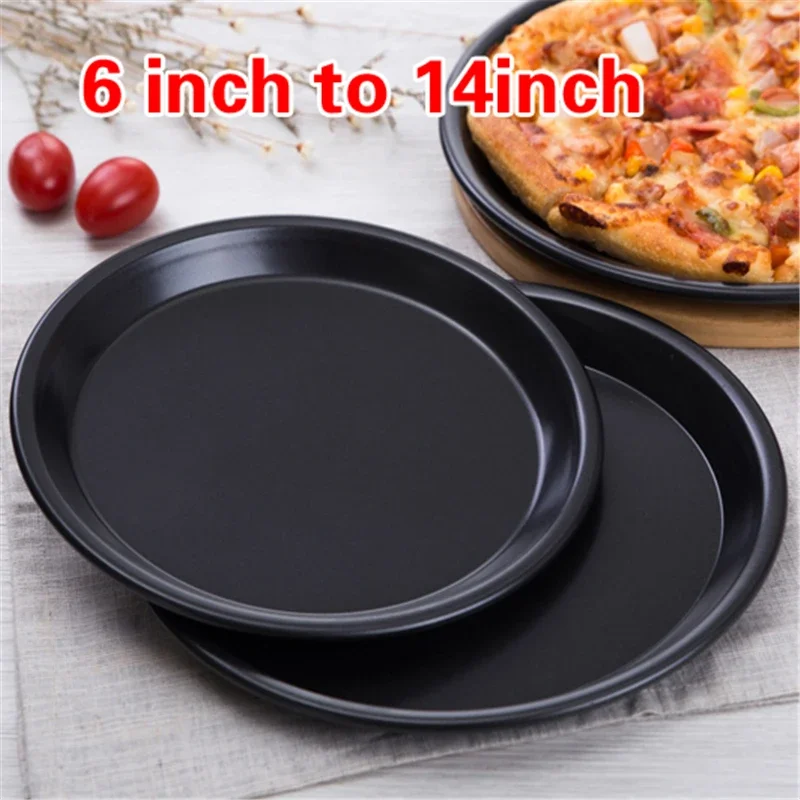
6 to 12inch Premium Non-Stick Pizza Pan Bakeware Carbon Steel Pizza Plate Round Deep Dish Pizza Pan Tray Mold Mould Baking Tools
For a reliable and versatile option, consider the 6 to 12inch Premium Non-Stick Pizza Pan Bakeware Carbon Steel Pizza Plate Round Deep Dish Pizza Pan Tray Mold Mould Baking Tools, which offers even heating and easy release.
Frequently asked questions
What is the best material for a deep dish pizza pan?
Carbon steel is widely considered the best due to its excellent heat conduction, durability, and ability to develop a natural non-stick patina. Cast iron is also great but heavier.
Can I use a deep dish pizza pan for other dishes?
Yes, deep dish pizza pans are versatile. You can use them for baking cornbread, casseroles, lasagna, or even roasting vegetables.
How do I clean a seasoned carbon steel deep dish pizza pan?
Avoid soap; instead, scrub with hot water and a stiff brush, then dry immediately. Apply a thin layer of oil to prevent rust.
What size deep dish pizza pan should I buy?
For personal pizzas, a 10-inch pan is ideal. For sharing, a 12-inch pan works well. Consider your oven size and typical servings.
