
Blog
The Ultimate Guide to Choosing a Diatomite Bath Mat
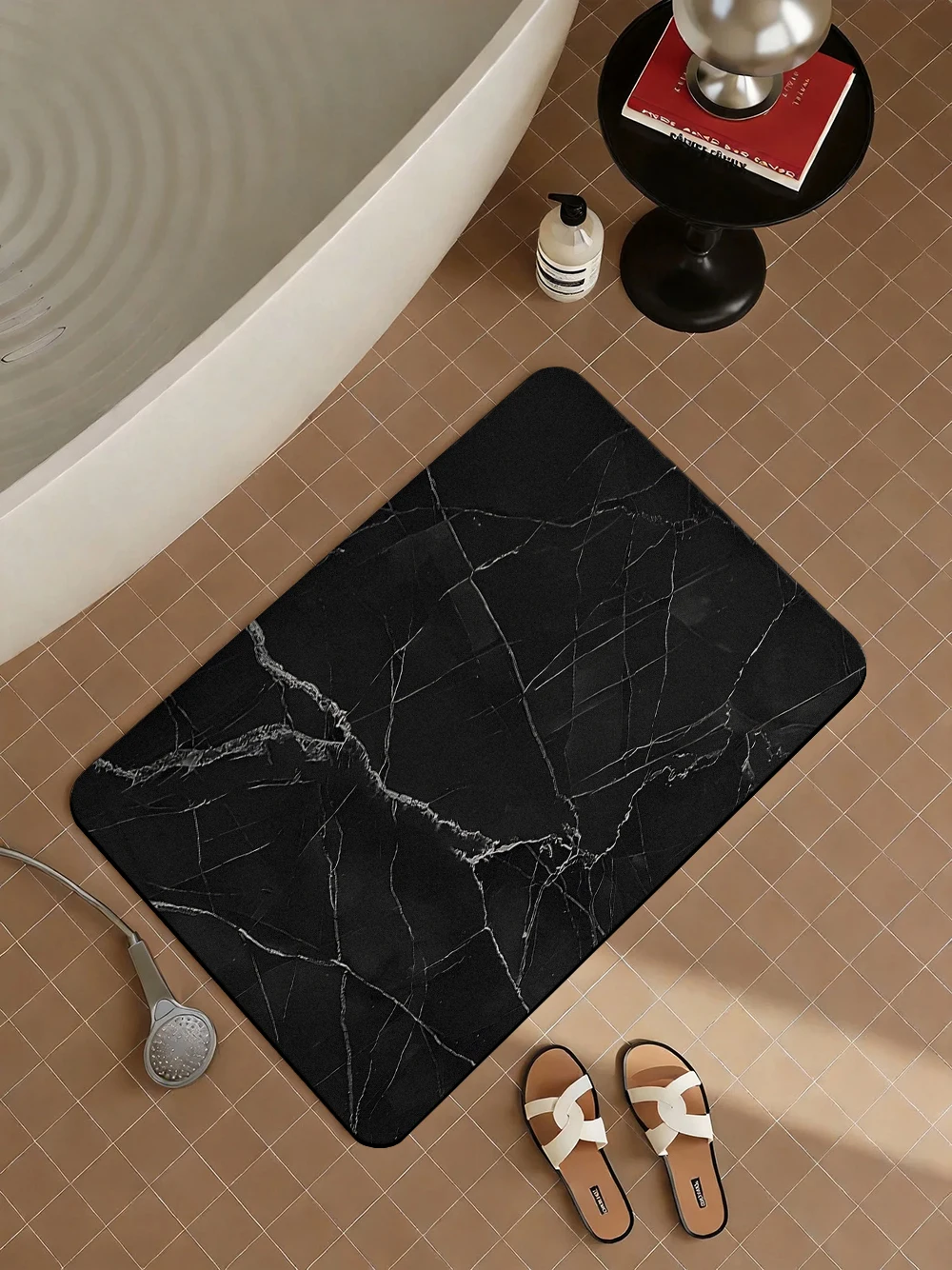
Buying Guide
Find Your Perfect Diatomite Bath Mat
If you’re tired of soggy, mildew-prone bath mats, a diatomite bath mat might be the solution you’ve been looking for. These innovative mats are made from natural diatomaceous earth, offering rapid water absorption and a quick-drying surface that keeps your bathroom fresher for longer.
What Makes a Diatomite Bath Mat Special?
Diatomite bath mats are crafted from diatomaceous earth, a naturally occurring sedimentary rock rich in silica. This material is highly porous, allowing it to absorb water rapidly—often within seconds—and then release moisture back into the air as it dries. Unlike traditional fabric mats, diatomite mats resist mold, mildew, and bacteria, making them a hygienic choice for any bathroom. For a deeper dive into diatomaceous earth, check out this Wikipedia article.
Key Features to Look for in a Diatomite Bath Mat
When shopping for a diatomite bath mat, consider these essential features:
- Material Quality: Look for mats made from 100% natural diatomite without synthetic fillers. Higher purity means better absorption.
- Thickness & Weight: Thicker mats (around 10-15 mm) offer more stability and absorb more water, but they take slightly longer to dry. Thinner mats dry faster but may be less cushioned.
- Size & Shape: Measure your bathroom space. Common sizes include 60×40 cm for small areas and 80×50 cm for larger spaces. Rectangular and oval shapes fit most bathrooms.
- Non-Slip Backing: A rubber or silicone base prevents the mat from sliding on tile or hardwood floors, enhancing safety.
- Ease of Cleaning: Some mats are washable with water and mild soap; others require sanding to remove residue. Choose based on your maintenance preference.
How to Care for Your Diatomite Bath Mat
Proper care extends the life of your diatomite bath mat. After each use, let it air dry in an upright position or lean it against a wall. Once a week, wipe the surface with a damp cloth to remove soap scum or dust. If the mat becomes less absorbent over time, gently sand the surface with fine-grit sandpaper to open the pores again. Avoid using harsh chemicals or placing the mat in direct sunlight for extended periods, as this may cause discoloration.
Comparing Diatomite Bath Mats to Other Materials
Diatomite mats outperform traditional options in several ways:
- Cotton Mats: Absorbent but slow to dry; prone to mildew.
- Microfiber Mats: Quick-drying but can trap odors and require frequent washing.
- Rubber Mats: Durable but non-absorbent; water sits on top.
- Diatomite Mats: Absorb water instantly, dry in minutes, and resist bacterial growth naturally.
While diatomite mats have a higher upfront cost, their longevity and low maintenance often make them more economical over time.
Common Myths About Diatomite Bath Mats
Let’s debunk a few misconceptions:
- Myth: They’re fragile and crack easily. Actually, modern diatomite mats are reinforced with fibers to prevent cracking under normal use.
- Myth: They feel cold underfoot. Diatomite is a natural insulator; many users find it comfortable year-round.
- Myth: They require special installation. No—just place on a clean, dry floor. No adhesive needed.
Where to Place Your Diatomite Bath Mat for Best Results
For optimal performance, place the mat outside your shower or bathtub where you step out. Avoid areas with standing water, as the mat needs airflow to dry. If you have a pedestal sink, a smaller diatomite mat works well for catching splashes. Some people also use them in front of kitchen sinks or pet water bowls for quick absorption.
Environmental Impact and Sustainability
Diatomite is a natural, abundant resource that requires minimal processing. Most diatomite bath mats are biodegradable and free from synthetic chemicals. By choosing a diatomite mat, you reduce waste from frequent replacements of fabric mats. Look for brands that use eco-friendly packaging and sustainable mining practices.
Stone Texture Diatomite Bath Mat Fast-Drying Water-Absorbent Rug for Bathroom Home Use
For a reliable option, consider the Stone Texture Diatomite Bath Mat Fast-Drying Water-Absorbent Rug for Bathroom Home Use, which combines natural diatomite with a stylish stone finish.
Frequently asked questions
How long does a diatomite bath mat last?
With proper care, a quality diatomite bath mat can last 1–3 years. Sanding the surface occasionally helps maintain absorption.
Can I use a diatomite bath mat on a heated floor?
Yes, but avoid prolonged direct heat. The mat may dry faster, but excessive heat could cause warping over time.
Is a diatomite bath mat safe for children and pets?
Generally yes, but supervise young children to prevent them from licking or chewing the mat. The dust from sanding should be cleaned up to avoid inhalation.
Why does my diatomite mat have a smell?
A slight earthy smell is normal initially and fades. Persistent odors may indicate trapped moisture; try sanding the surface and allowing it to dry fully.