
Blog
Disposable Plastic Bowls: A Practical Guide for Every Occasion
Buying Guide
Choose the Right Disposable Plastic Bowls
When planning an event or simply looking for convenient dinnerware, disposable plastic bowls are a go-to choice for many. They offer ease of cleanup and versatility, but with so many options, how do you pick the best ones for your needs?
Why Disposable Plastic Bowls Are a Smart Choice
Disposable plastic bowls have become a staple for gatherings, picnics, and even everyday meals. They save time on washing and are lightweight, making them ideal for outdoor events. However, not all disposable plastic bowls are created equal. Understanding the differences in material, thickness, and design can help you make an informed decision that balances convenience with quality.
Materials Matter: Types of Plastic Used
Most disposable plastic bowls are made from polystyrene (PS), polypropylene (PP), or PET. Each has unique properties:
- Polystyrene (PS): Rigid and clear, often used for cold foods. It’s economical but can be brittle.
- Polypropylene (PP): More flexible and heat-resistant, suitable for hot soups or microwaving. It’s also more durable.
- PET: Strong and clear, commonly used for cold salads and desserts. It’s recyclable in many areas.
For heavy-duty use, look for bowls labeled as ‘high-impact’ or ‘heavy-duty’ to ensure they won’t crack under pressure.
Eco-Friendly Disposable Plastic Bowls: What to Look For
Sustainability is a growing concern. Some disposable plastic bowls are made from recycled materials or are BPA-free. Check for recycling codes: #1 (PET) and #5 (PP) are widely accepted. Additionally, some brands offer compostable options made from plant-based plastics, though they may cost more. Always verify local recycling guidelines.
Choosing the Right Size and Shape
Bowls come in various sizes, from small 6-ounce dessert cups to large 32-ounce soup bowls. Consider your menu: disposable food packaging guidelines suggest matching bowl capacity to portion sizes. For main courses, 16-20 ounces is typical; for sides, 8-12 ounces works well. Shapes range from classic round to square or compartmentalized for bento-style meals.
Durability and Heat Resistance
If serving hot foods, ensure your disposable plastic bowls are microwave-safe. Polypropylene bowls can withstand temperatures up to 250°F, while polystyrene may warp. For oily or acidic foods, choose bowls that are grease-resistant and non-reactive. Heavy-duty bowls with a thick wall prevent leaks and spills.
Design and Presentation
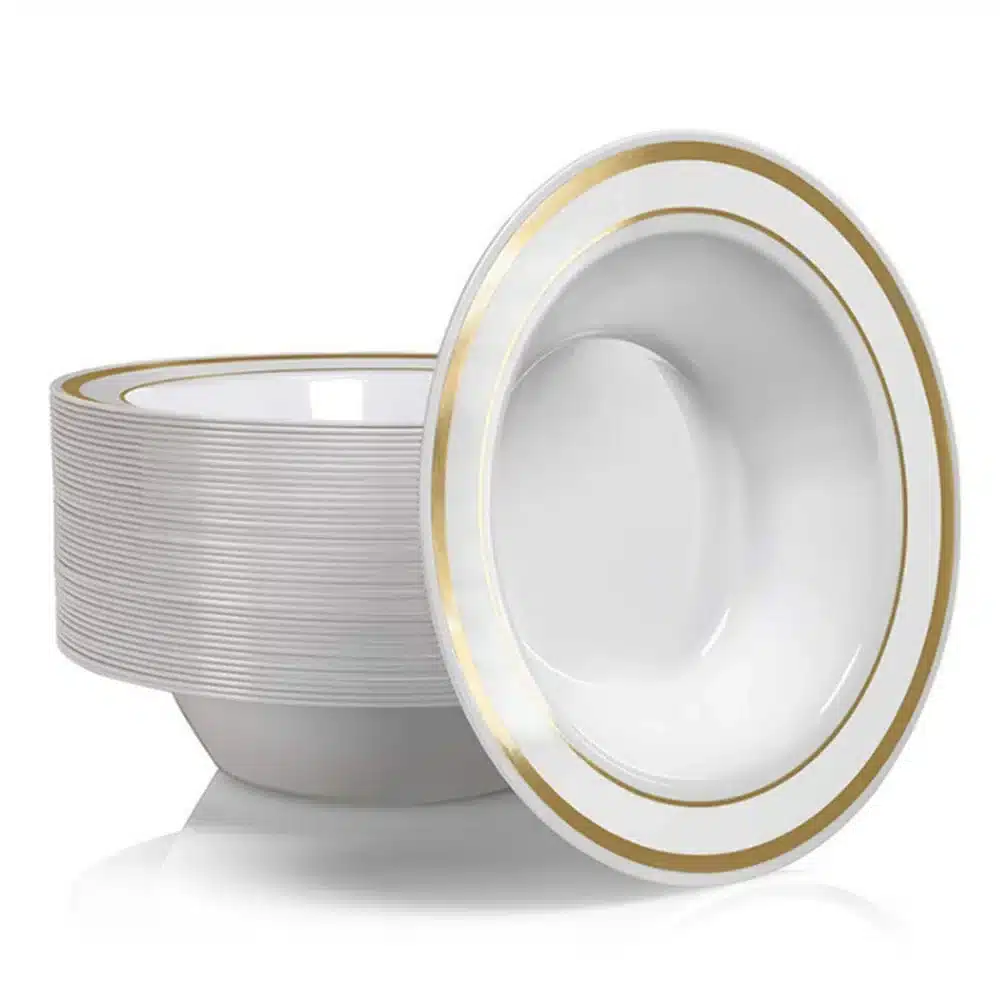
Disposable doesn’t mean boring. Many disposable plastic bowls come in elegant designs, clear finishes, or even with lids for takeout. High-end events often use clear, crystal-like bowls that mimic glass. Some have a textured rim for grip. Consider the theme of your event and choose bowls that complement your table setting.
Cost vs. Quality: Finding the Balance
While it’s tempting to buy the cheapest option, investing in quality disposable plastic bowls can enhance the dining experience. Thicker bowls reduce the chance of breakage and feel more substantial. Bulk purchases often lower per-unit costs. For occasional use, mid-range options offer a good balance. For frequent entertaining, consider reusable plastic bowls that are dishwasher-safe.
Tips for Responsible Disposal
After use, clean any food residue and check if the bowls are recyclable. Many disposable plastic bowls can be recycled if they are clean and made from recyclable plastic. Alternatively, repurpose them for crafts or storage. Reducing single-use waste by choosing durable options is a step toward sustainability.
20PCS Disposable Tableware Plastic Salad Soup Bowl High-end Heavy Duty Phnom Penh Banquet Disposable Dessert Plate
For a reliable option, consider the 20PCS Disposable Tableware Plastic Salad Soup Bowl High-end Heavy Duty Phnom Penh Banquet Disposable Dessert Plate, which combines durability with an elegant design suitable for any occasion.
Frequently asked questions
Are disposable plastic bowls microwave-safe?
It depends on the material. Polypropylene (PP) bowls are typically microwave-safe, while polystyrene (PS) bowls are not. Always check the packaging for microwave-safe labels.
Can I recycle disposable plastic bowls?
Yes, if they are made from recyclable plastics like #1 (PET) or #5 (PP) and are clean. Check your local recycling program for specific guidelines.
What size disposable plastic bowl should I use for soup?
For a standard soup serving, a 12-16 ounce bowl is ideal. For larger portions or stews, consider 20-32 ounce bowls.
Are there eco-friendly disposable plastic bowls?
Yes, some are made from recycled plastics or plant-based materials like PLA. Look for BPA-free and compostable options if sustainability is a priority.
