
Blog
How to Choose Disposable Plastic Bowls for Any Occasion
Buying Guide
Your Guide to Disposable Plastic Bowls
When you’re hosting a party or packing a picnic, disposable plastic bowls offer convenience without the cleanup. But not all disposable plastic bowls are created equal—here’s what to look for.
Why Choose Disposable Plastic Bowls?
Disposable plastic bowls are a staple for events where convenience matters. They’re lightweight, shatterproof, and come in various sizes. Unlike paper bowls, they don’t get soggy, making them ideal for soups and salads. Plus, they’re often recyclable, reducing environmental impact when disposed of properly.
Key Features to Look For
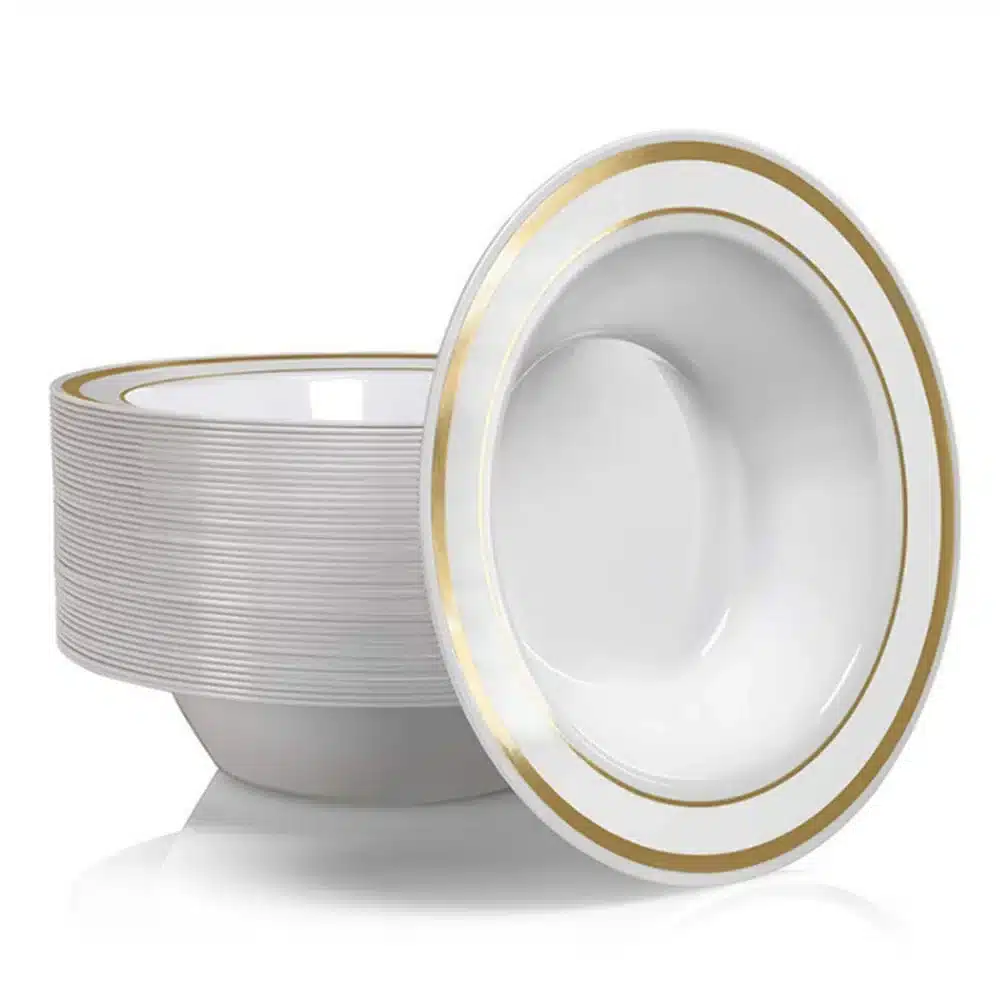
When shopping for disposable plastic bowls, consider material, weight, and design. Heavy-duty options resist cracking and can handle hot or cold foods. Look for bowls labeled BPA-free for safety. Transparent bowls show off your dish, while colored ones add a festive touch. For a premium feel, consider high-end options like those used in banquets.
Material Matters
Most disposable plastic bowls are made from polypropylene (PP) or polystyrene (PS). PP is microwave-safe and more durable, while PS is rigid but may crack under pressure. Check the recycling code: #5 (PP) is widely recyclable. For more on plastic recycling, see this Wikipedia article.
Eco-Friendly Alternatives
If you’re concerned about waste, look for bowls made from recycled materials or those that are compostable. Some brands offer plant-based plastics like PLA, which break down in commercial facilities. However, traditional disposable plastic bowls can be reused several times if washed gently, reducing overall consumption.
Best Uses for Disposable Plastic Bowls
- Parties and Events: Perfect for buffets, picnics, and barbecues. No risk of broken glass.
- Takeout and Meal Prep: Portion control and easy storage.
- Crafts and Storage: Use them for paint, screws, or organizing small items.
How to Choose the Right Size
Disposable plastic bowls come in sizes from 4 oz (for dips) to 32 oz (for soups). For main courses, 12-16 oz is typical. Consider the food type: runny dishes need deeper bowls, while dry snacks work in shallower ones. Also, check if the bowls have lids for takeout or leftovers.
Disposable Plastic Bowls vs. Alternatives
Paper bowls are biodegradable but can leak. Ceramic or glass bowls are reusable but breakable. Disposable plastic bowls strike a balance: durable enough for hot liquids, lightweight for travel, and affordable for large groups. For a sophisticated touch, high-end disposable plastic bowls mimic fine china without the risk.
Tips for Buying in Bulk
If you host often, buy in bulk to save money. Look for packs with mixed sizes. Ensure the bowls nest well for compact storage. Check reviews for sturdiness—some thin bowls can warp. For a premium experience, consider our 20PCS Disposable Tableware Plastic Salad Soup Bowl High-end Heavy Duty Phnom Penh Banquet Disposable Dessert Plate, which offers elegance and strength.
20PCS Disposable Tableware Plastic Salad Soup Bowl High-end Heavy Duty Phnom Penh Banquet Disposable Dessert Plate
For a premium option, consider our 20PCS Disposable Tableware Plastic Salad Soup Bowl High-end Heavy Duty Phnom Penh Banquet Disposable Dessert Plate, which combines elegance with durability.
Frequently asked questions
Are disposable plastic bowls microwave-safe?
Some are. Check the label for microwave-safe symbols. Polypropylene (PP) bowls are generally safe for reheating, but avoid high temperatures or prolonged heating.
Can disposable plastic bowls be recycled?
Yes, if they are made from recyclable plastics like #1 (PET) or #5 (PP). Rinse them first and check local recycling guidelines, as facilities vary.
What is the difference between heavy-duty and standard disposable bowls?
Heavy-duty bowls are thicker and more rigid, resisting leaks and cracks. They are better for hot or heavy foods, while standard bowls work for cold snacks.
Are there eco-friendly disposable plastic bowls?
Yes, look for bowls made from recycled content or bioplastics like PLA. However, they may require industrial composting facilities to break down properly.
