
Blog
How to Choose a Distressed Accent Cabinet for Your Home
Buying Guide
Your Guide to the Perfect Distressed Accent Cabinet
A distressed accent cabinet can bring warmth and character to any room, blending rustic charm with functional storage. Whether you’re styling a living room, entryway, or dining area, this guide will help you choose the right piece for your home.
What Is a Distressed Accent Cabinet?
A distressed accent cabinet is a piece of furniture with intentional wear and tear marks—scratches, dents, chipped paint—that give it a vintage or rustic look. Unlike new, shiny cabinets, distressed pieces feel lived-in and cozy. They often feature wood construction with hand-applied finishes that vary from piece to piece, making each one unique. The term “distressed” refers to the aging process, which can be achieved through techniques like sanding, scraping, or applying chemical treatments. These cabinets are popular in farmhouse, industrial, and bohemian interiors.
Key Features to Look For in a Distressed Accent Cabinet
When shopping for a distressed accent cabinet, consider these essential features:
- Material: Solid wood like pine, oak, or mango wood offers durability and authentic grain. MDF with veneer can be more affordable but may not age as gracefully.
- Finish: Look for multi-step finishes that include paint, glaze, and wax for depth. A matte or satin sheen enhances the distressed look.
- Hardware: Antique brass, iron, or bronze handles complement the rustic style. Check that they are securely attached.
- Functionality: Drawers should glide smoothly, doors should close evenly, and shelves should be adjustable if possible.
- Size: Measure your space—depth is often overlooked. A cabinet that is too large can overwhelm a room.
How to Style a Distressed Accent Cabinet in Your Home
Place your distressed accent cabinet in a high-traffic area like an entryway to store keys and mail, or in a living room to display books and decor. Layer items on top: a lamp, a stack of books, and a small plant. Inside, use baskets or bins to hide clutter while keeping the rustic vibe. For a cohesive look, pair the cabinet with other distressed or natural wood furniture. Avoid matching too many glossy or modern pieces—the contrast works best when the cabinet stands out as a focal point. The beauty of distressed furniture is that it blends with many styles, from farmhouse to eclectic.
Distressed Accent Cabinet vs. Other Storage Options
Compared to a sleek modern cabinet, a distressed accent cabinet adds texture and history to a room. It’s more casual than a formal china cabinet and often more affordable than antique pieces. Unlike open shelving, it hides dust and clutter while still offering display space. A distressed cabinet is also sturdier than many particleboard options, making it a long-term investment. If you need both storage and aesthetic warmth, this style is hard to beat.
Maintenance and Care for Distressed Furniture
Caring for a distressed accent cabinet is simple. Dust regularly with a soft cloth; avoid harsh chemicals that can strip the finish. For deeper cleaning, use a damp cloth and mild soap, then dry immediately. Waxing once a year can protect the surface without removing the distressed look. If scratches appear over time, they actually enhance the character—just rub a bit of furniture oil over them. Keep the cabinet out of direct sunlight to prevent fading, and use coasters or felt pads under decorative items to avoid rings.
Top Mistakes to Avoid When Buying a Distressed Accent Cabinet
Don’t confuse distressed with damaged. Authentic distressing is intentional and consistent, not random cracks or warping. Avoid cabinets with sharp edges or rough splinters—distressing should feel smooth to the touch. Also, watch out for cabinets that are too heavy for your floor type; solid wood can be very heavy. Lastly, ensure the cabinet matches your existing decor style. A heavily distressed piece may clash with a minimalist or ultra-modern room.
Where to Place a Distressed Accent Cabinet for Maximum Impact
The best spots for a distressed accent cabinet include an empty wall in a hallway, behind a sofa in a living room, or as a sideboard in a dining room. In a bedroom, it can serve as a dresser or media console. Because distressed cabinets have a casual feel, they work well in rooms where you want to create a relaxed, inviting atmosphere. Avoid placing them in damp basements or humid bathrooms unless they are treated for moisture resistance.
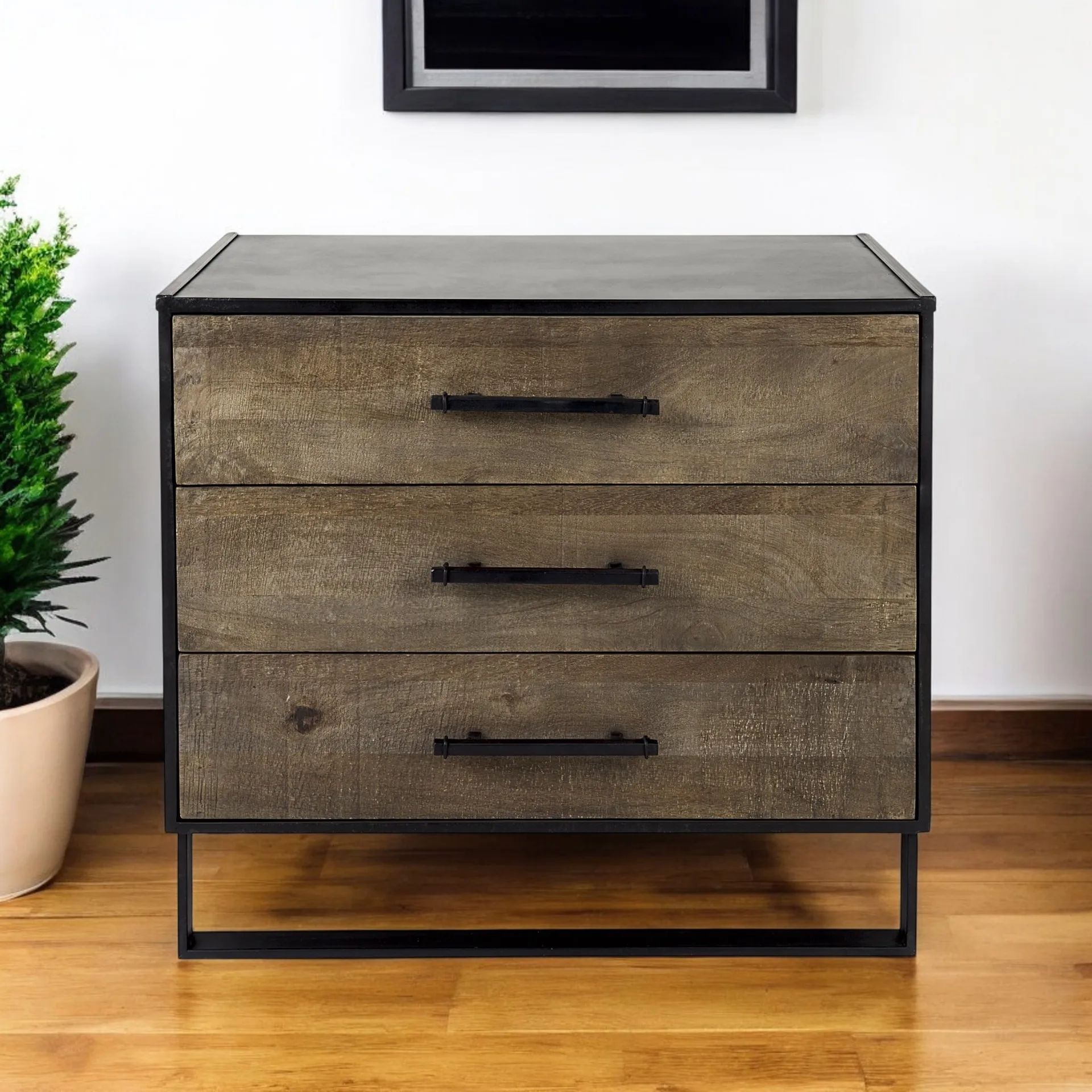
Goldoma Brown and Black Distressed Accent Display Cabinet with Three Drawers
For a well-crafted option, consider the Goldoma Brown and Black Distressed Accent Display Cabinet with Three Drawers, which combines rustic charm with practical storage.
Frequently asked questions
What is the difference between distressed and antique cabinets?
Distressed cabinets are new furniture intentionally aged to look old, while antiques are genuinely old pieces. Distressed cabinets are often more affordable and consistent in quality, but antiques have true patina and history.
Can I refinish a distressed accent cabinet?
Yes, but it may be difficult to remove the distressed finish without damaging the wood. If you want a different color, consider painting over it while preserving some texture. Always test a small area first.
How do I know if a distressed cabinet is well-made?
Check for solid wood construction, dovetail drawers, and sturdy hinges. The distressing should look natural, not like random damage. Avoid pieces where the finish feels sticky or uneven.
What colors are most common for distressed accent cabinets?
White, gray, brown, and black are popular. Two-tone finishes, like a dark body with lighter drawers, are also trendy. Choose a color that complements your room’s palette.