
Blog
How to Choose the Perfect Distressed Sideboard for Your Home
Buying Guide
Your Ultimate Distressed Sideboard Buying Guide
A distressed sideboard brings warmth and character to any room, blending rustic charm with practical storage. In this guide, we’ll help you choose the perfect one for your space.
Why a Distressed Sideboard?
A distressed sideboard offers more than storage—it adds a story to your home. The intentional wear and tear create a lived-in feel that complements farmhouse, cottage, or eclectic decor. Unlike pristine furniture, a distressed piece hides everyday scuffs and blends seamlessly with busy households.
Key Features to Look For
When shopping for a distressed sideboard, focus on craftsmanship. Solid wood construction ensures durability, while dovetail joints and soft-close hinges signal quality. Look for finishes that highlight the wood grain—each scratch and mark is unique. Some pieces feature carved details, like geometric patterns, that elevate the design.
Wood Types
- Oak: Strong, prominent grain, takes distressing well.
- Pine: Softer, lighter, perfect for a more rustic look.
- Mango Wood: Sustainable, rich color, often used in carved designs.
Finish Options
- Painted: Chalk or milk paint for a matte, vintage feel.
- Stained: Dark walnut or gray tones for a weathered appearance.
- Natural: Clear coat to show raw wood beauty.
Sizing Your Distressed Sideboard
Measure your wall space and room flow. A standard sideboard is 30-36 inches tall and 48-72 inches wide. Leave at least 36 inches of clearance for walkways. For smaller rooms, consider a narrow design (18-20 inches deep). Always check door swing and drawer pull clearance.
Styling Your Distressed Sideboard
Use it as a buffet in the dining room, a media console in the living room, or a dresser in the entryway. Layer with baskets, pottery, and framed photos. The distressed surface pairs well with chinoiserie accessories for an eclectic mix. Keep the top uncluttered to let the wood’s texture shine.
Caring for Your Distressed Sideboard
Dust regularly with a soft cloth. Avoid harsh chemicals—use mild soap and water for spills. Wax occasionally to protect the finish. The beauty of distressed furniture is that new scratches add to its character, so don’t panic over minor marks.
Where to Place a Distressed Sideboard
It’s versatile: in a hallway for keys and mail, in a bedroom as a TV stand, or in a home office for files. The distressed style softens modern spaces and warms up industrial lofts. Let the room’s function guide your choice.
Budget Considerations
Prices vary based on wood type, brand, and craftsmanship. Solid wood pieces cost more but last decades. Look for sales and consider pre-owned or unfinished options if you’re handy. A well-made distressed sideboard is an investment in your home’s personality.
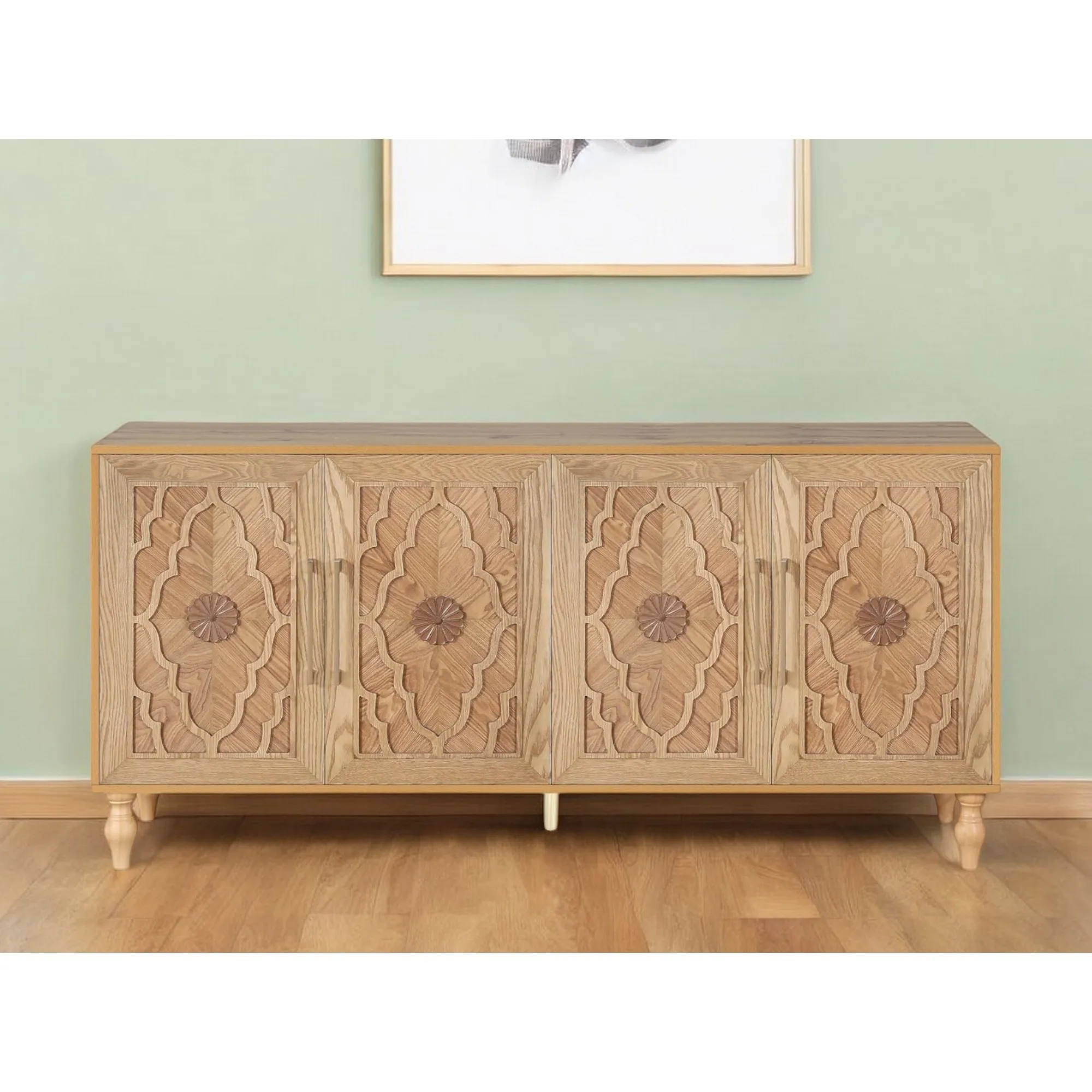
68 Natural Distressed Carved Geometric Sideboard with Four Doors
For a unique piece with hand-carved geometric details, consider our 68 Natural Distressed Carved Geometric Sideboard with Four Doors—it blends artisan craftsmanship with everyday practicality.
Frequently asked questions
What is a distressed sideboard?
A distressed sideboard is a piece of furniture with intentional wear, scratches, and dents to create an aged, rustic look. It adds character and warmth to a room while providing storage.
How do I clean a distressed sideboard?
Dust with a soft cloth and clean spills with a damp cloth and mild soap. Avoid abrasive cleaners. Apply furniture wax occasionally to protect the finish.
Can a distressed sideboard work in a modern home?
Yes, the contrast between distressed wood and sleek modern decor can be striking. Use it as a focal point and balance with clean lines and neutral colors.
What size sideboard do I need?
Measure your available wall space. A standard sideboard is 30-36 inches tall and 48-72 inches wide. Leave clearance for doors and drawers to open fully.