
Blog
Distressed Wood Dining Table Buying Guide
Buying Guide
How to Choose a Distressed Wood Dining Table
A distressed wood dining table brings warmth and character to any dining space. This guide will help you find the perfect piece that balances style, durability, and function.
Why Choose a Distressed Wood Dining Table?
A distressed wood dining table offers a unique blend of rustic charm and modern versatility. Its weathered finish hides everyday wear and tear, making it ideal for busy households. The texture and patina tell a story, adding depth to your dining room. Unlike pristine surfaces, a distressed table ages gracefully, developing more character over time. Whether your style is farmhouse, industrial, or eclectic, a distressed wood dining table anchors the room with a relaxed, lived-in feel.
Key Materials and Construction
Understanding the materials used in a distressed wood dining table helps you make an informed choice. Solid wood, such as acacia, pine, or reclaimed oak, is common for the tabletop. These woods are durable and accept distressing techniques well. The base is often metal (steel or iron) for stability and a modern edge. For example, wood as a natural material expands and contracts with humidity, so proper construction (like breadboard ends) prevents cracking. Look for tables with a sturdy frame and reinforced joints. The distressed finish is achieved through sanding, denting, or staining, then sealed with a matte lacquer or wax for protection.
Choosing the Right Size and Shape
Measure your dining area before shopping. A 72-inch long table seats six to eight people comfortably. For smaller spaces, consider a 60-inch table. Rectangular shapes are versatile and fit most rooms. Round tables encourage conversation but may feel cramped with more than four people. Leave at least 36 inches of clearance around the table for chairs and movement. The height should be around 30 inches for standard dining chairs. A distressed wood dining table in a larger size can serve as a centerpiece, while a smaller one works in a breakfast nook.
Seating Capacity Guide
- 60 x 36 inches: seats 4-6
- 72 x 36 inches: seats 6-8
- 84 x 36 inches: seats 8-10
Style and Finish Considerations
Distressed finishes range from lightly worn to heavily aged. A grey wash complements modern farmhouse decor, while a dark brown patina suits traditional spaces. The metal base can be black, bronze, or brushed steel. Consider the existing furniture in your room. A distressed wood dining table with a natural edge adds organic texture. Avoid overly rough surfaces if you plan to eat directly on the table; a smooth distressed finish is easier to clean. The finish should be consistent but not uniform—variation adds authenticity.
Caring for Your Distressed Wood Dining Table
Maintenance is straightforward. Dust regularly with a soft cloth. Clean spills immediately with a damp cloth and dry. Avoid harsh chemicals; mild soap and water suffice. Use coasters and placemats to prevent stains, but don’t worry about minor marks—they enhance the distressed look. Reapply wax or oil every six months to preserve the finish. Keep the table away from direct sunlight to prevent fading. With proper care, a distressed wood dining table lasts for decades, becoming a family heirloom.
Budgeting for Your Purchase
Prices vary based on wood type, size, and craftsmanship. Solid wood tables are an investment but offer longevity. Reclaimed wood is often more expensive due to sourcing. Metal bases add cost but increase durability. Set a realistic budget that includes delivery and assembly. A good quality distressed wood dining table typically ranges from $500 to $2000. Consider it a long-term purchase; a well-made table retains value and saves money over replacing cheap alternatives.
Where to Place Your Table
Position the table in a spot with ample natural light to highlight the wood grain. Ensure the floor is level to prevent wobbling. If the room has other wood elements, coordinate tones. A distressed wood dining table works in open-concept spaces, separating the dining area from the living room. In smaller rooms, use a mirror or light wall colors to avoid a heavy feel. The table should be the focal point, so keep decor minimal.
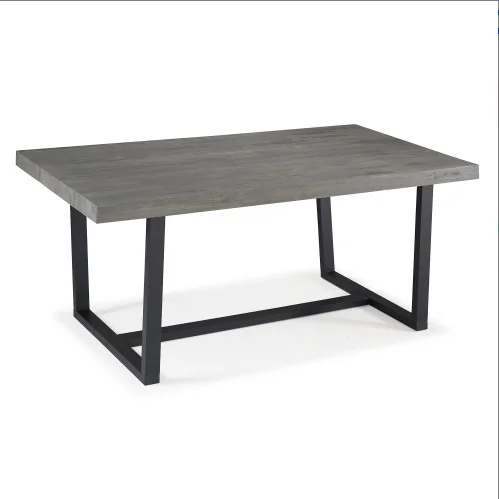
Goldoma Modern Distressed Solid Wood and Metal Dining Table, 72x36x30 Inches, Grey
For a balanced blend of durability and style, consider the Goldoma Modern Distressed Solid Wood and Metal Dining Table, 72x36x30 Inches, Grey, which offers a spacious surface and sturdy metal legs.
Frequently asked questions
Is a distressed wood dining table durable?
Yes, the distressed finish hides scratches and dents, making it more forgiving than a pristine surface. Solid wood construction ensures longevity.
How do I clean a distressed wood dining table?
Use a soft, dry cloth for dusting. For spills, wipe with a damp cloth and dry immediately. Avoid abrasive cleaners that may damage the finish.
Can I use a distressed wood dining table outdoors?
Most are designed for indoor use. Exposure to moisture and UV rays can warp the wood or fade the finish. Use a protective cover if placed on a covered patio.
What chairs go best with a distressed wood dining table?
Mix and match styles—upholstered chairs for comfort, wooden chairs for a rustic look, or metal chairs for an industrial vibe. Aim for contrast in color or material.