
Blog
Eco-Friendly Sideboard Guide: Sustainable Storage
Sustainable Living
Your Eco-Friendly Sideboard Awaits
An eco-friendly sideboard is more than just storage—it’s a statement of your commitment to the planet. Choosing sustainable materials and ethical production helps reduce your environmental footprint while keeping your home beautiful.
What Makes a Sideboard Eco-Friendly?
An eco-friendly sideboard is crafted from renewable or recycled materials, finished with non-toxic coatings, and produced with minimal waste. Look for FSC-certified wood, low-VOC finishes, and brands that prioritize energy efficiency. These choices ensure your furniture doesn’t harm the environment.
Materials Matter: Wood, Bamboo, and Recycled Options
Sustainable woods like bamboo, reclaimed oak, and mango wood are top choices. Bamboo grows quickly and absorbs carbon, while reclaimed wood gives new life to old timber. Learn more about sustainable furniture to understand the impact of your purchase.
FSC Certification
The Forest Stewardship Council (FSC) certifies that wood comes from responsibly managed forests. Always check for this label when buying wooden furniture.
Design That Lasts: Timeless Over Trendy
An eco-friendly sideboard should be built to last. Classic designs with durable construction reduce the need for replacement. Look for solid wood joinery and sturdy hardware. A well-made piece can be passed down, reducing waste.
Non-Toxic Finishes for a Healthier Home
Volatile organic compounds (VOCs) in paints and varnishes can pollute indoor air. Choose sideboards with water-based, natural oil, or zero-VOC finishes. Your home stays fresh, and the planet breathes easier.
Size and Storage: Maximizing Utility
An eco-friendly sideboard should meet your needs without excess. Measure your space and consider what you’ll store—dishes, linens, or electronics. Multi-functional designs, like those with adjustable shelves, offer flexibility without extra materials.
Care and Maintenance for Longevity
Proper care extends the life of your sideboard. Use natural cleaning products, avoid direct sunlight, and dust regularly. Repair minor scratches instead of replacing. This mindful approach reduces your ecological footprint.
Where to Find Eco-Friendly Sideboards
Many retailers now offer sustainable options. Look for brands that transparently share their sourcing and production methods. Online marketplaces and local artisans are excellent sources for unique, eco-conscious pieces.
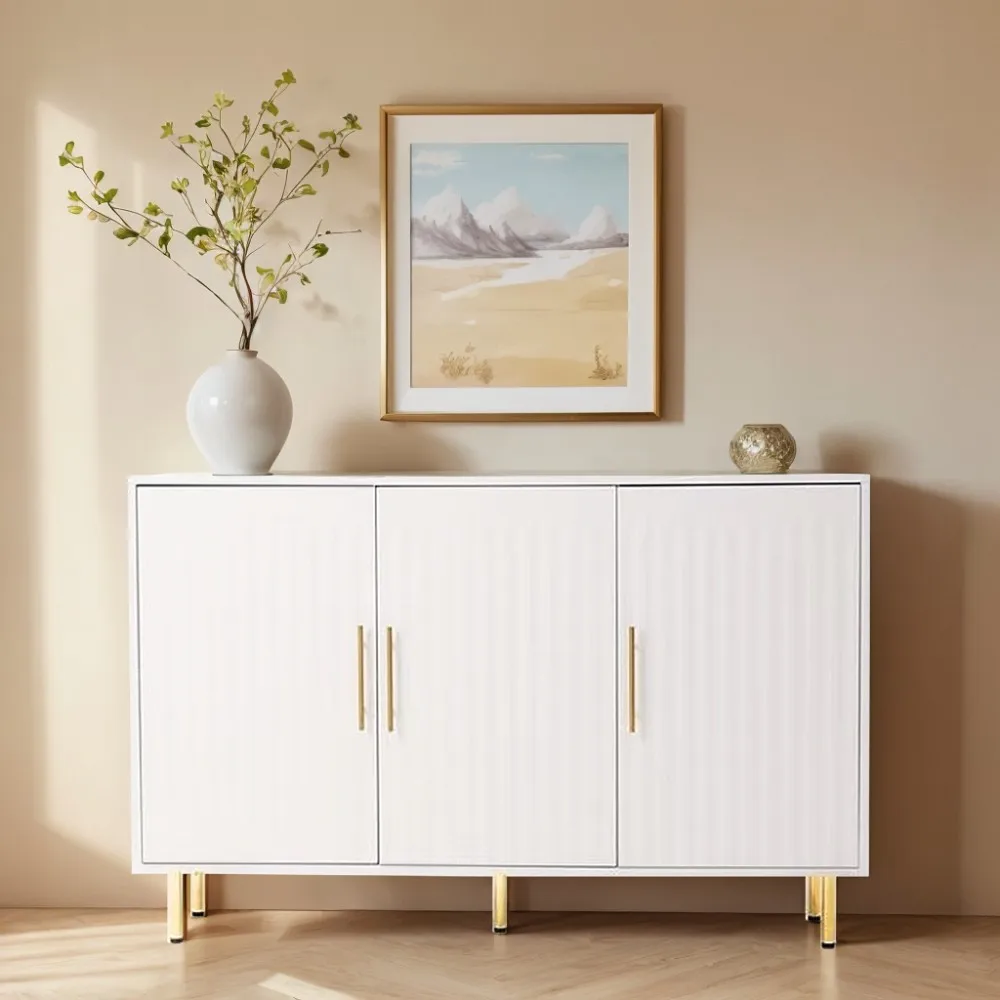
3-Door Large Storage Modern Eco-Friendly Sideboard with Gold Handles for Kitchen Dining Living Rooms-White Buffet Cabinet
Consider the 3-Door Large Storage Modern Eco-Friendly Sideboard with Gold Handles for Kitchen Dining Living Rooms-White Buffet Cabinet for a blend of sustainable materials and elegant design.
Frequently asked questions
What materials are best for an eco-friendly sideboard?
Bamboo, reclaimed wood, and FSC-certified hardwood are excellent choices. These materials are renewable or recycled, reducing environmental impact.
How can I verify if a sideboard is truly eco-friendly?
Look for certifications like FSC for wood, GREENGUARD for low emissions, and check the brand’s sustainability policy. Transparency is key.
Are eco-friendly sideboards more expensive?
They can be, but the cost reflects durable materials and ethical production. Investing in a quality piece saves money long-term by avoiding replacements.
Can an eco-friendly sideboard be stylish?
Absolutely. Many sustainable designs are modern and elegant, proving that eco-consciousness and aesthetics go hand in hand.