
Blog
How to Choose the Perfect Embroidered Table Cloth
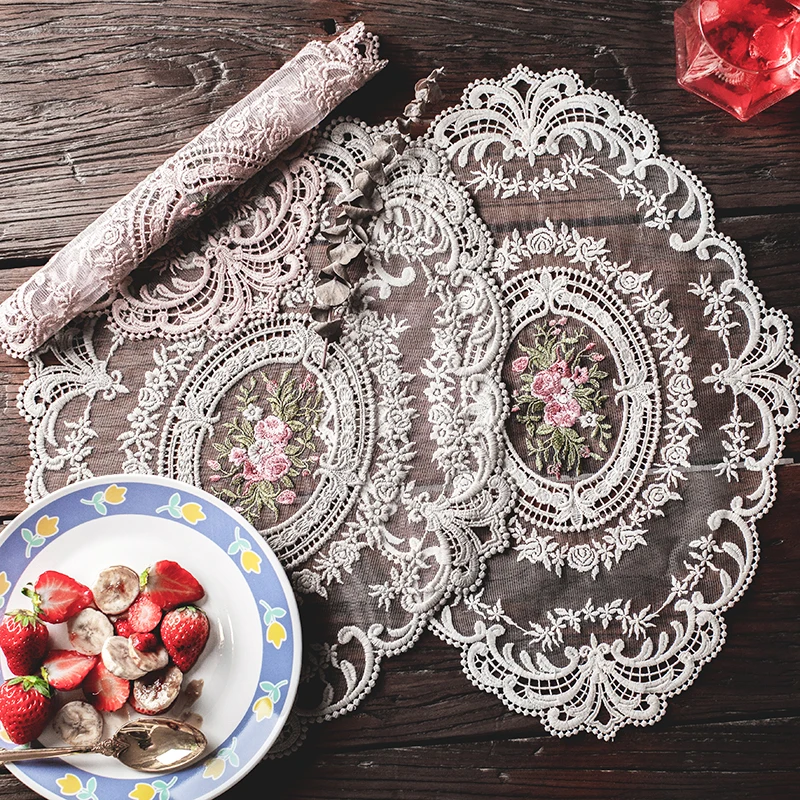
Table Linens
The Art of the Embroidered Table Cloth
An embroidered table cloth can transform a simple meal into a special occasion, adding texture and personality to your dining space. Whether you’re hosting a holiday dinner or enjoying a quiet breakfast, the right tablecloth sets the tone.
Why Choose an Embroidered Table Cloth?
An embroidered table cloth brings a handmade touch that machine-made linens can’t replicate. The stitches tell a story—of tradition, of care, of artistry. Beyond aesthetics, embroidery adds weight and durability, making the cloth less likely to slip or wrinkle. It also hides stains better than plain fabrics, a practical bonus for busy households.
From delicate floral motifs to geometric patterns, embroidery offers endless variety. A well-chosen design can complement your dinnerware and tie the room together. Plus, these cloths often become heirlooms, passed down through generations.
Materials Matter: Cotton, Linen, or Polyester?
The base fabric affects both look and longevity. Cotton is breathable, easy to wash, and takes embroidery beautifully. Linen has a natural luster and gets softer with age, but wrinkles easily. Polyester blends are budget-friendly and wrinkle-resistant, but may lack the same tactile charm.
For everyday use, a cotton-polyester blend offers a good balance. For special occasions, pure linen or high-thread-count cotton make a statement. Always check care instructions—some embroidered cloths require gentle cycles or hand washing.
Thread Count & Weave
A higher thread count generally means a smoother surface, but for embroidery, a slightly looser weave allows the needle to pass through easily. Look for fabrics with a thread count between 200 and 400 for best results.
Design Styles: From Vintage to Modern
Embroidered table cloths range from antique lace looks to bold contemporary patterns. Vintage styles often feature floral vines, scalloped edges, or monograms. Modern designs might use abstract shapes or minimalist lines. Consider your existing decor: a rustic farmhouse table pairs well with folk embroidery, while a sleek mid-century dining set suits simpler motifs.
Color matters too. White or ivory is classic and versatile, but pastels or jewel tones can add drama. A dark background with light embroidery creates striking contrast.
Size and Shape: Getting the Right Fit
Measure your table before buying. A rectangular cloth should have an overhang of 8–12 inches on each side. For round tables, the cloth should drop evenly all around. Square cloths on square tables look crisp, but you can also use a round cloth on a square table for a softer effect.
Don’t forget about drop length: formal dinners often call for a longer drop (to the chair seat), while casual meals can have a shorter drop. For more on table dimensions, see Wikipedia’s tablecloth guide.
Caring for Your Embroidered Table Cloth
To keep your embroidered table cloth looking its best, follow these tips:
- Pre-treat stains immediately with a gentle stain remover.
- Wash in cold water on a delicate cycle, or hand wash.
- Avoid bleach, which can weaken threads and cause yellowing.
- Iron while slightly damp, on the reverse side, to protect embroidery.
- Store in a cool, dry place, folded with acid-free tissue paper to prevent creases.
Handling Heirloom Pieces
If your cloth is antique or heavily embroidered, consider professional cleaning. Never wring or twist wet fabric—lay flat to dry instead.
Where to Use an Embroidered Table Cloth
These cloths aren’t just for dining tables. Drape one over a sideboard or console table for instant elegance. Use a small one as a tea table cover. In a bedroom, a vintage embroidered cloth can serve as a bed runner or nightstand topper. Outdoors, they add charm to picnic tables—just be mindful of wind and sun fading.
A well-placed embroidered table cloth elevates any surface it touches, making even a simple coffee table feel curated.
Budgeting for Quality
Hand-embroidered cloths command higher prices due to labor, but machine embroidery offers affordability without sacrificing beauty. Set a budget based on how often you’ll use it. A statement piece for holidays might justify a splurge, while a daily cloth should be durable and easy to replace.
Check the stitching quality: even tension, no loose threads, and a neat backside indicate good craftsmanship. Remember, a well-made embroidered table cloth can last for decades with proper care.
Vintage Lace Placemat Embroidered Table Cloth Dining Room Decorative Table Mats Party Wedding Antique Coffee Coasters Placemats
If you love vintage charm, our Vintage Lace Placemat Embroidered Table Cloth adds delicate antique-style embroidery to any dining room, perfect for parties or everyday elegance.
Frequently asked questions
What is the best fabric for an embroidered table cloth?
Cotton and linen are top choices for their natural fibers and ability to hold embroidery well. Cotton is easy to care for, while linen offers a more textured, elegant look. Polyester blends are durable and wrinkle-resistant, making them practical for everyday use.
How do I remove stains from an embroidered table cloth?
Blot spills immediately with a clean cloth. Pre-treat stains with a gentle detergent or stain remover, then wash in cold water on a delicate cycle. Avoid bleach and harsh chemicals. For stubborn stains, consider professional cleaning.
Can I use an embroidered table cloth outdoors?
Yes, but choose one made from durable, fade-resistant fabric. Avoid leaving it in direct sunlight for long periods, and bring it indoors after use to prevent weather damage. Polyester blends work well outdoors.
How do I store an embroidered table cloth to prevent damage?
Fold it with acid-free tissue paper to avoid creases and store in a cool, dry place away from sunlight. Avoid plastic bags, which can trap moisture. For long-term storage, roll the cloth around a padded tube.
