
Blog
Stylish End Tables: How to Choose the Perfect One
Buying Guide
The Ultimate Guide to Choosing End Tables
End tables are more than just a place to set your coffee; they anchor a room and offer essential surface space. Choosing the right end tables can elevate your decor and improve functionality.
Why End Tables Matter in Your Living Space
End tables are versatile pieces that serve both form and function. They provide a convenient spot for lamps, books, drinks, and decorative items, while also balancing the visual weight of larger furniture like sofas and armchairs. A well-chosen end table can tie a room together, adding warmth and personality. According to interior design principles, the right furniture arrangement creates flow and harmony. End tables are key players in this setup.
Materials: Wood, Metal, Glass, and More
The material of your end tables affects durability, style, and maintenance. Solid wood offers timeless appeal and strength; options like oak, walnut, and ash bring natural grain and warmth. Metal frames (e.g., iron or brass) add industrial or modern flair, while glass tops create an airy feel. Consider your lifestyle: families with kids may prefer sturdy wood or metal over glass. For a cohesive look, match the material to other furniture in the room, or mix materials for an eclectic vibe.
Wood End Tables: Classic and Durable
Wood end tables are a popular choice due to their durability and aesthetic versatility. Hardwoods like ash are known for their strength and beautiful grain. They can be stained in various shades to complement any decor. Wood also ages gracefully, developing a patina over time.
Metal and Glass: Modern and Sleek
Metal and glass end tables suit contemporary or minimalist interiors. They are easy to clean and can make a small room feel larger by reflecting light. However, glass may show fingerprints and requires more upkeep.
Size and Scale: Getting the Proportions Right
An end table that’s too tall or too short can disrupt the room’s balance. As a rule of thumb, the table’s height should be within an inch or two of the arm height of your sofa or chair. The width should be proportional—typically 20-24 inches wide for standard sofas. Leave enough space for the table to be easily reached without obstructing walkways. Measure your space before shopping; a well-proportioned end table enhances comfort and usability.
Style and Design: Matching Your Decor
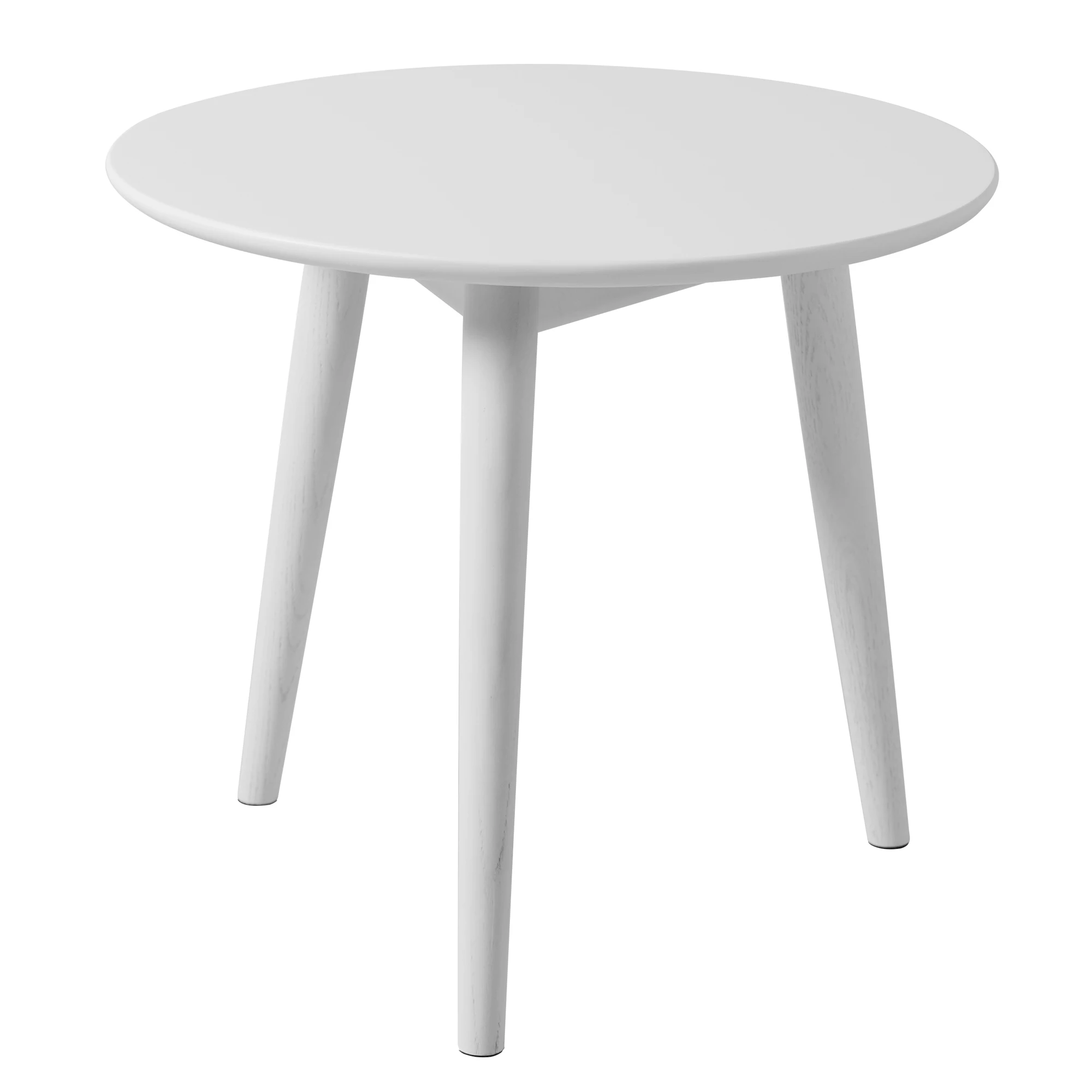
End tables come in countless styles: traditional, modern, rustic, industrial, and more. The key is to choose a design that complements your existing decor without clashing. For a cohesive look, consider shapes: round tables soften angular furniture, while square or rectangular tables offer more surface area. Details like tapered legs, turned pedestals, or drawer pulls can add character. Don’t be afraid to mix styles—a rustic wood table can add warmth to a modern room.
Functionality: Storage and Features
Think about what you’ll place on your end tables. If you need to stow remote controls, magazines, or coasters, look for tables with drawers or shelves. Some end tables include built-in USB ports or charging stations—a modern convenience. For small spaces, nesting tables or lift-top designs offer flexibility. Prioritize features that align with your daily habits.
Placement Tips: Where to Put Your End Tables
End tables are typically placed beside sofas, armchairs, or beds. For a symmetrical look, use matching tables on both ends of a sofa. Alternatively, use different but complementary tables for an eclectic feel. Ensure there’s enough clearance for doors and walkways. In a living room, end tables can also serve as standalone accent pieces in corners or entryways.
Budget and Quality: Investing Wisely
End tables range from budget-friendly to investment pieces. While it’s tempting to choose the cheapest option, consider long-term value. Solid wood end tables, for instance, often last decades and can be refinished. Check construction: dovetail joints, sturdy legs, and smooth finishes indicate quality. A good end table is an investment in your home’s comfort and style.
Goldoma Ash Wood End Table
For a timeless and sturdy option, consider the Goldoma Ash Wood End Table, crafted from solid ash with a natural finish that complements any decor.
Frequently asked questions
What is the standard height for end tables?
End tables typically range from 22 to 24 inches tall, which aligns with the arm height of most sofas and chairs. However, always measure your specific furniture to ensure a comfortable reach.
Should end tables match the coffee table?
They don’t have to match exactly, but they should coordinate in style, material, or color for a cohesive look. Mixing woods or metals can add visual interest if done thoughtfully.
Can I use end tables in a bedroom?
Absolutely. End tables work well as nightstands beside a bed, providing surface space for a lamp, alarm clock, and personal items. Just ensure the height is appropriate for your bed.
How do I clean and maintain wood end tables?
Dust regularly with a soft cloth. Use a mild wood cleaner for spills and avoid harsh chemicals. Keep out of direct sunlight to prevent fading, and use coasters to protect the surface.