
Blog
Best Facial Redness Cream: Soothe and Calm Your Skin
Skincare Guide
The Ultimate Facial Redness Cream Buying Guide
If you’re searching for a facial redness cream that truly works, you’re not alone. Millions struggle with persistent redness and sensitivity, but the right formula can make all the difference.
Understanding Facial Redness: Why It Happens
Facial redness can stem from various causes, including rosacea, sun damage, allergies, or simply having fair skin. The blood vessels near the surface dilate, creating a flushed appearance. Rosacea affects millions worldwide, often triggered by spicy foods, alcohol, or temperature changes. Knowing your triggers is the first step to calming the skin.
Key Ingredients in a Facial Redness Cream
When choosing a facial redness cream, look for soothing ingredients like niacinamide, centella asiatica, and green tea extract. These help strengthen the skin barrier and reduce inflammation. Avoid harsh alcohols and fragrances that can worsen redness. A good cream should hydrate without clogging pores.
Niacinamide: A Multitasker
Niacinamide (vitamin B3) is proven to reduce redness and improve skin texture. It works well for sensitive skin and pairs nicely with other calming agents.
Centella Asiatica: The Healer
Also known as cica, this herb is famous for its wound-healing and anti-inflammatory properties. It’s a staple in many Korean skincare products for redness relief.
How to Choose the Right Facial Redness Cream for Your Skin Type
Not all redness creams are created equal. If you have oily skin, opt for a lightweight gel formula. Dry skin benefits from richer creams with ceramides. Combination skin may need a balanced lotion. Always patch test new products on a small area.
- Oily: Gel-based, non-comedogenic
- Dry: Creamy with ceramides
- Sensitive: Fragrance-free, minimal ingredients
Application Tips for Maximum Benefit
Apply your facial redness cream after cleansing and toning, while skin is slightly damp. Use gentle upward motions, avoiding vigorous rubbing. For best results, use morning and night. Sunscreen is crucial during the day since UV rays can aggravate redness.
Lifestyle Changes to Complement Your Facial Redness Cream
Beyond skincare, lifestyle adjustments can help. Avoid extreme temperatures, limit spicy foods and alcohol, and manage stress with mindfulness or exercise. A healthy diet rich in omega-3s and antioxidants supports skin health from within.
When to See a Dermatologist
If over-the-counter facial redness cream doesn’t improve your skin after several weeks, or if redness is accompanied by pain or swelling, consult a dermatologist. They can prescribe treatments like topical metronidazole or laser therapy for stubborn cases.
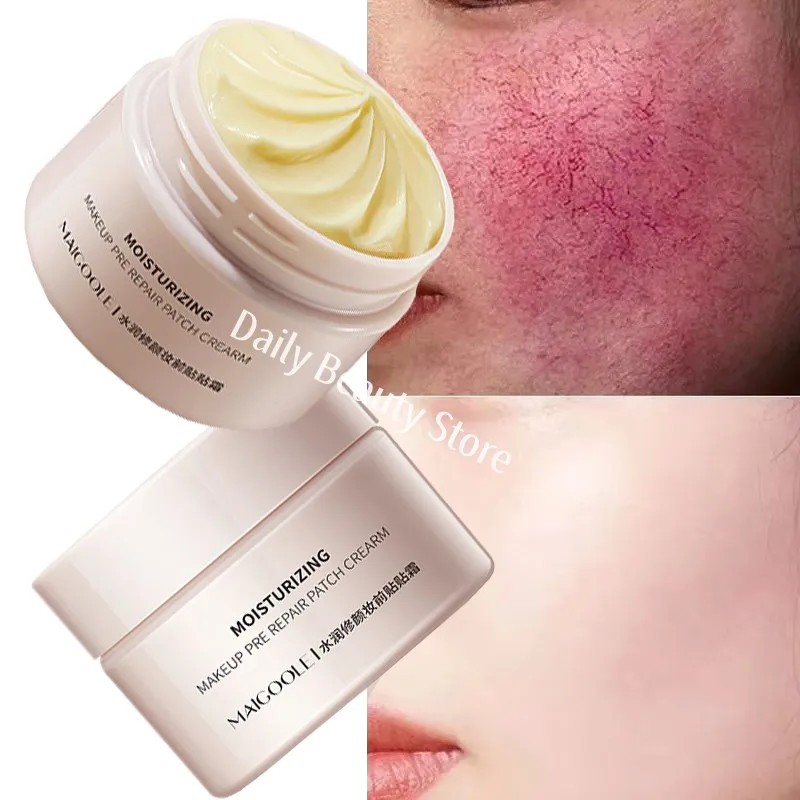
Facial Redness Repair Cream Improve Sensitive Skin Dryness Moisturizer Hydrating Sooth Lotion Removal Rosacea Korean Cosmetics
For a gentle yet effective option, consider our Facial Redness Repair Cream, formulated with Korean botanicals to soothe and hydrate sensitive skin.
Frequently asked questions
Can a facial redness cream cure rosacea?
No, there is no cure for rosacea, but a good facial redness cream can help manage symptoms by reducing inflammation and strengthening the skin barrier. Consistent use and trigger avoidance are key.
How long does it take to see results from a facial redness cream?
Results vary, but many people notice improvement within 2-4 weeks of regular use. Some ingredients, like niacinamide, may show effects sooner, while barrier repair takes longer.
Is it safe to use a facial redness cream with other active ingredients?
Generally yes, but avoid combining with strong exfoliants like AHAs or retinoids if your skin is very sensitive. Introduce one product at a time and monitor for irritation.
Can I use a facial redness cream if I have acne-prone skin?
Yes, choose a non-comedogenic formula that won’t clog pores. Ingredients like centella asiatica and niacinamide are beneficial for both redness and acne.