
Blog
The Complete Guide to Choosing a Floating Bathroom Vanity
Bathroom Design
Why a Floating Bathroom Vanity Transforms Your Space
A floating bathroom vanity is more than just a stylish choice—it’s a smart way to open up your bathroom and make it feel larger and more organized.
What Is a Floating Bathroom Vanity?
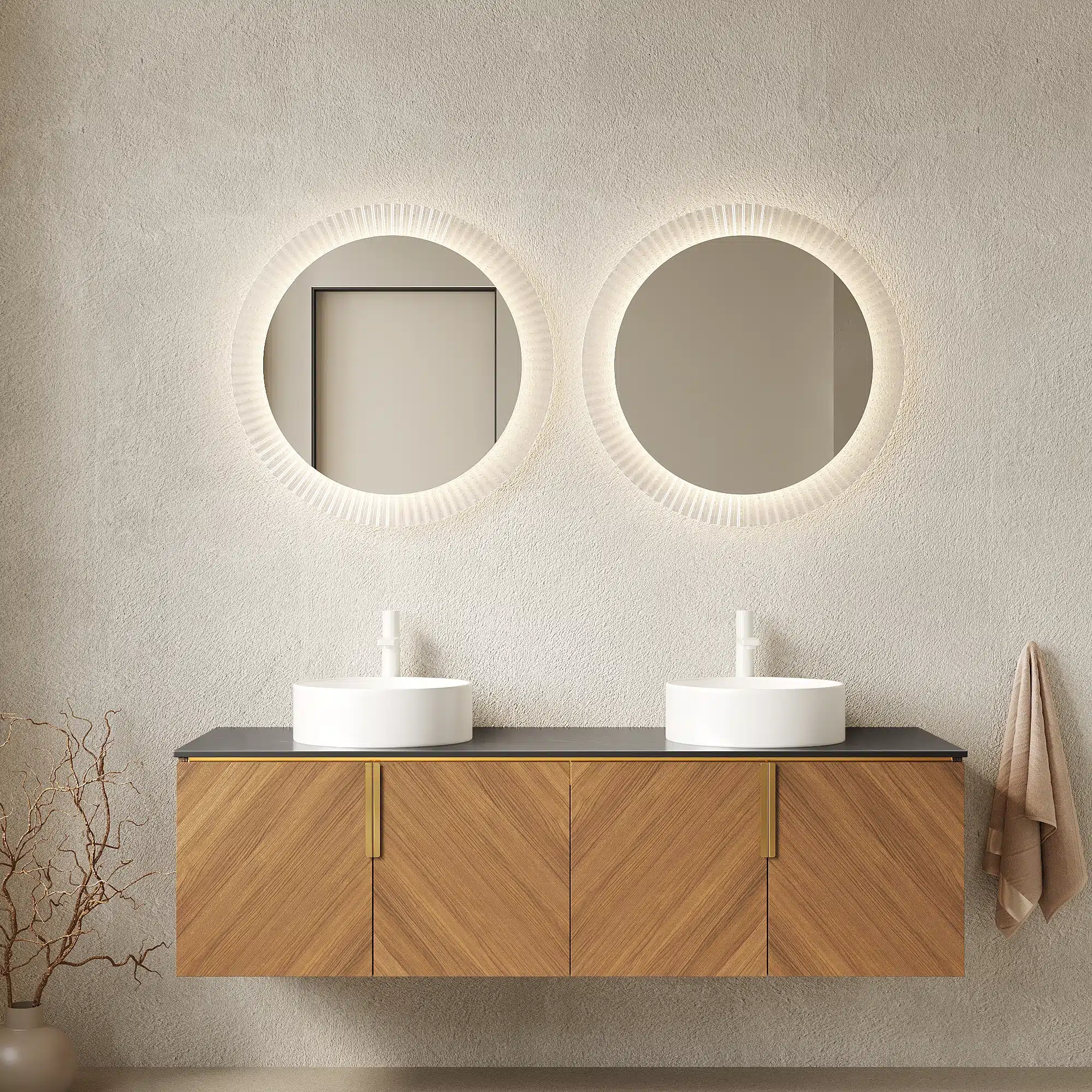
A floating bathroom vanity, also known as a wall-mounted vanity, is attached directly to the wall with no legs touching the floor. This design creates a sense of openness and makes the bathroom appear more spacious. Unlike traditional vanities that rest on the floor, floating models leave a gap underneath, which can be used for storage or simply to make cleaning easier.
Benefits of Choosing a Floating Vanity
There are several reasons why homeowners are gravitating toward floating vanities. First, they offer a sleek, modern look that can instantly update your bathroom. Second, they provide excellent space efficiency—especially in small bathrooms where every inch counts. Third, the open floor beneath makes cleaning a breeze, as you can easily sweep or mop without obstructions. Finally, floating vanities can be installed at any height, making them customizable for accessibility.
Materials and Durability
When selecting a floating bathroom vanity, consider the material. Popular options include solid wood, plywood, MDF, and metal. Plywood is a strong, moisture-resistant choice that holds up well in humid environments. Solid wood offers timeless beauty but requires proper sealing. MDF is budget-friendly but less durable. Always check for waterproof finishes and quality construction to ensure longevity.
Plywood vs. MDF
Plywood is generally more stable and resistant to warping than MDF. It also handles screws better, which is important for wall-mounted units that bear weight.
Installation Tips for Wall-Mounted Vanities
Installing a floating bathroom vanity requires careful planning. You’ll need to locate wall studs to support the weight, use appropriate anchors, and ensure the vanity is level. Many models come with a mounting bracket or cleat system for easier installation. If you’re not confident in your DIY skills, hiring a professional is wise. Always follow the manufacturer’s instructions.
Maximizing Storage in a Floating Vanity
Floating vanities often have drawers and cabinets that provide ample storage. To make the most of the space, use drawer organizers, baskets, and pull-out shelves. The open area beneath can house a small stool or extra baskets for towels. For more ideas, check out this Wikipedia article on bathroom design.
Choosing the Right Size and Configuration
Measure your bathroom carefully before buying. A floating bathroom vanity should be proportional to the room—too large and it overwhelms, too small and it looks out of place. Single sink vanities are great for powder rooms, while double sinks work well in shared bathrooms. Consider the depth as well; standard is 18-21 inches.
Style and Finish Options
Floating vanities come in various styles, from minimalist to rustic. White or light colors make a room feel airy, while dark wood adds warmth. Matte finishes hide fingerprints better than glossy ones. Choose hardware that complements your faucets and mirror. Remember, a floating vanity can be the centerpiece of your bathroom design.
60″ Bathroom Vanity with Sinks, Floating Wall-Mounted Plywood Bathroom Storage Cabinet , 2 White Round Ceramic Basins
For a reliable option, consider the 60″ Bathroom Vanity with Sinks, a floating wall-mounted plywood cabinet with two white round ceramic basins that combines durability and modern style.
Frequently asked questions
Can a floating vanity hold a heavy countertop?
Yes, if properly installed into wall studs with sturdy brackets, a floating vanity can support stone or quartz countertops. Always check the weight rating and use appropriate anchors.
Are floating vanities more expensive than traditional ones?
They can be slightly more due to the mounting hardware and installation complexity, but the price varies widely. The benefits often outweigh the cost for many homeowners.
Do floating vanities work in small bathrooms?
Absolutely. They create an illusion of more floor space, making small bathrooms feel larger. Plus, the open area underneath can be used for storage or decorative baskets.
How do I clean under a floating vanity?
Easily! The open space allows you to sweep, mop, or vacuum without moving the vanity. You can also use a dust mop or robot vacuum for convenience.