
Blog
The Ultimate Guide to Floating Bookcases for Every Home
Design & Decor
Your Complete Guide to Floating Bookcases
Floating bookcases are a stylish way to display your books and treasures while saving floor space. Whether you’re a book lover or a design enthusiast, these versatile shelves can transform any room.
Why Choose Floating Bookcases?
Floating bookcases offer a clean, minimalist look that makes any room feel larger and more open. Unlike traditional bookshelves, they mount directly to the wall with no visible brackets, creating the illusion that your books are floating. This design is perfect for small apartments, home offices, or any space where you want to add storage without clutter.
Beyond aesthetics, floating bookcases are incredibly versatile. You can install them at any height, arrange them in creative patterns, and even use them to display art, plants, or collectibles. They’re also a great option for renters since they leave minimal damage when removed (with proper installation).
Choosing the Right Size and Weight Capacity
Before buying floating bookcases, measure your wall space and consider what you’ll place on them. A standard rule: shelves should be at least 12 inches deep for most books, but 8 inches works for paperbacks. Weight capacity is crucial—solid wood shelves hold more than manufactured wood. For heavy hardcovers, look for shelves anchored into studs with heavy-duty brackets.
For reference, a typical floating shelf can hold 10-20 pounds per linear foot, but always check the manufacturer’s specs. If you’re unsure, opt for bookshelves that are reinforced with hidden brackets.
Installation Tips for a Secure Fit
Installing floating bookcases is a DIY-friendly project, but proper technique is key. Start by locating wall studs with a stud finder—this is non-negotiable for heavy loads. Mark your desired height and use a level to ensure straight alignment. Most floating shelves come with a mounting bracket that screws into the wall; the shelf then slides onto the bracket.
For drywall without studs, use toggle bolts or molly anchors rated for the shelf’s weight. Pro tip: install shelves slightly above eye level (around 60 inches from the floor) for a dramatic yet accessible display. Always follow the manufacturer’s instructions, and consider hiring a professional for complex arrangements.
Styling Ideas for Floating Bookcases
Floating bookcases aren’t just for books—they’re a canvas for your personal style. Here are some ideas:
- Color-coordinate your books by spine color for a rainbow effect or monochromatic look.
- Mix horizontal and vertical stacks to add visual interest. Place a few books flat with a small plant on top.
- Add decorative objects like vases, framed photos, or sculptures between books to create vignettes.
- Use floating bookcases in unexpected rooms—a bathroom for towels, a kitchen for spices, or a hallway for keys and mail.
Remember to leave some empty space to avoid a cluttered appearance. The goal is balance: about 60% filled with items, 40% empty.
Materials: Solid Wood vs. Manufactured Wood
Floating bookcases come in various materials. Solid wood (like oak or walnut) is durable, elegant, and can be sanded and refinished. It’s heavier and more expensive. Manufactured wood (like MDF or particleboard) is lighter, budget-friendly, and often laminated to mimic wood grain. It’s less durable and can sag under heavy loads over time.
For a middle ground, many shelves combine a solid wood veneer over an engineered core—this offers the look of real wood with better stability. Consider your budget and the shelf’s intended use. For a home library, solid wood is a worthwhile investment; for decorative display, manufactured wood works well.
Creative Arrangements: Beyond Single Shelves
Don’t limit yourself to one shelf. Floating bookcases can be arranged in clusters, grids, or staggered patterns to create a feature wall. Here are three layouts:
Asymmetric Cluster
Place shelves at different heights and lengths around a central point. This works well above a sofa or desk.
Grid Pattern
Install multiple shelves in a uniform grid for a clean, modern look. Use identical shelves spaced evenly.
Staircase Effect
Arrange shelves in a diagonal line ascending or descending. This draws the eye and adds dynamic energy.
When planning, use painter’s tape to outline shelf positions on the wall before drilling. This helps visualize the final arrangement.
Maintenance and Safety Tips
To keep your floating bookcases looking great, dust them regularly with a microfiber cloth or a gentle duster. Avoid using harsh chemicals that can damage the finish. For wooden shelves, occasional polishing with furniture wax can restore shine.
Safety is paramount—especially if you have children or pets. Ensure shelves are securely anchored and don’t overload them. Check brackets annually for loosening. Consider adding a safety strap or corner guards for peace of mind.
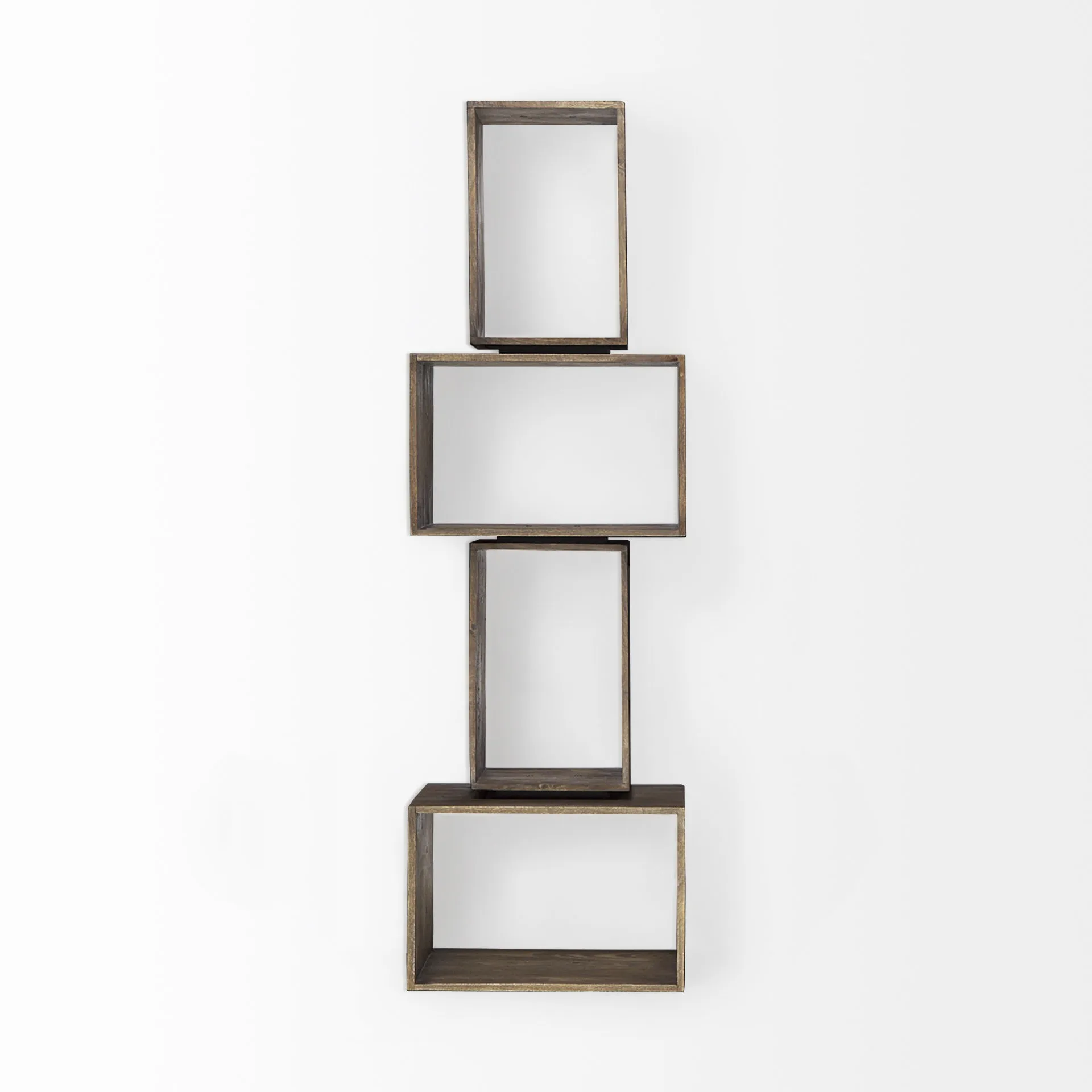
Goldoma Set of Two Brown Solid and Manufactured Wood Two-Tier Floating Bookcase
For a reliable and stylish start, consider the Goldoma Set of Two Brown Solid and Manufactured Wood Two-Tier Floating Bookcase, which offers a warm finish and sturdy construction.
Frequently asked questions
How much weight can floating bookcases hold?
Weight capacity varies by shelf. Most standard floating shelves hold 10-20 pounds per linear foot when properly installed into wall studs. Always check the manufacturer’s specifications and use appropriate anchors for drywall.
Can floating bookcases be installed in a rental?
Yes, with minimal damage. Use removable adhesive strips for lightweight shelves, or plugs for screw holes when you move out. Always get permission from your landlord first.
What is the best height to install floating bookcases?
A common height is 60 inches from the floor to the bottom of the shelf, but it depends on your room and purpose. For easy access, install at eye level; for decorative purposes, higher or lower works.
How do I prevent floating bookcases from sagging?
Choose shelves with a thick profile (at least 3/4 inch) and solid wood. Install into studs, and avoid overloading. For long spans, add a center bracket or use a shelf with a metal support rail.
