
Blog
The Ultimate Floating TV Stand Buying Guide
Buying Guide
Your Complete Floating TV Stand Buying Guide
A floating TV stand can transform your living room by adding a sleek, modern look while freeing up floor space. Whether you’re upgrading your entertainment setup or starting from scratch, this guide will help you make an informed choice.
Why Choose a Floating TV Stand?
Floating TV stands are wall-mounted units that elevate your television and media components off the floor. They create an airy, uncluttered appearance that makes any room feel larger and more organized. Beyond aesthetics, they offer practical benefits: easier cleaning underneath, reduced dust accumulation, and a safer environment for children and pets since cords and equipment are out of reach.
Unlike traditional TV consoles, a floating TV stand can be installed at your preferred height, allowing for optimal viewing angles. They also provide storage for gaming consoles, streaming devices, and decor items, all while maintaining a minimalist vibe.
Key Factors to Consider When Selecting a Floating TV Stand
Choosing the right floating TV stand involves balancing size, weight capacity, and style. Here are the primary considerations:
Size and Weight Capacity
Measure your TV’s width and ensure the stand is at least as wide to support it safely. Check the weight rating—most quality stands can hold 50-100 pounds. Remember to account for additional items like soundbars or media players.
Wall Material and Mounting
Floating stands require secure attachment to wall studs. Drywall alone cannot support the weight. Use a stud finder to locate studs, and if your wall has concrete or brick, you’ll need appropriate anchors. Some stands come with a mounting template to simplify installation.
Storage Needs
Consider how many devices you need to store. Look for open shelves, cabinets, or drawers. Adjustable shelving adds flexibility. A good floating TV stand should also have cable management features—like cutouts or channels—to hide unsightly wires.
Material and Finish Options for Your Floating TV Stand
The material affects both aesthetics and durability. Common choices include:
- Engineered Wood (MDF/Particleboard): Affordable and available in many finishes, but less durable than solid wood. Look for high-density boards with laminate or veneer.
- Solid Wood: Offers longevity and a premium feel. Oak, walnut, and pine are popular. It’s heavier and more expensive but can be refinished.
- Metal and Glass: Modern and sleek, but glass requires frequent cleaning and can be fragile. Metal frames are sturdy but may show fingerprints.
For a warm, inviting look, consider a beige or neutral finish that complements your decor. Matte finishes hide smudges better than glossy ones.
Installation Tips for a Secure Floating TV Stand
Proper installation is crucial for safety. Follow these steps:
- Locate wall studs with a stud finder—most stands need at least two studs.
- Use a level to mark where the bracket will go. Drill pilot holes and attach the bracket securely with lag bolts.
- If your stand has a multi-piece design, assemble it on the floor first, then mount it. Some stands require mounting the bracket first, then hanging the unit.
- Double-check that all screws are tight and the stand is level before placing your TV.
If you’re not comfortable with DIY, hiring a professional installer is a wise investment. Many floating TV stands come with clear instructions and templates, but always follow the manufacturer’s guidelines.
Top Features to Look for in a Floating TV Stand
Modern floating TV stands offer various features to enhance your experience:
- Adjustable Shelves: Allow you to customize storage for different device sizes.
- Hidden Cord Management: Channels or cutouts keep cables out of sight, maintaining a clean look.
- LED Lighting: Some stands include ambient lighting to highlight your decor.
- Soft-Close Hinges: Prevent slamming doors and drawers, adding a touch of luxury.
When evaluating options, prioritize build quality and finish over flashy extras. A well-constructed stand will last for years.
How a Floating TV Stand Enhances Your Room Layout
By mounting your TV and media components on the wall, you gain flexibility in furniture arrangement. You can place seating at the perfect distance without a bulky console blocking the way. The floating design also makes the room feel more open, especially in smaller spaces.
For a cohesive look, coordinate the stand’s color with other furniture. A beige or neutral tone works well with most palettes. Adding decorative items like plants or books on the shelves personalizes the space.
Learn more about the history of television furniture on Wikipedia.
Maintenance and Longevity of Your Floating TV Stand
To keep your stand looking new, dust regularly with a soft cloth. Avoid harsh chemicals that can damage the finish. For engineered wood, use a damp cloth and dry immediately. Solid wood can benefit from occasional polish.
Check the mounting hardware annually to ensure it remains tight. Over time, screws may loosen, especially if the stand holds heavy equipment. Promptly tighten any loose bolts to prevent accidents.
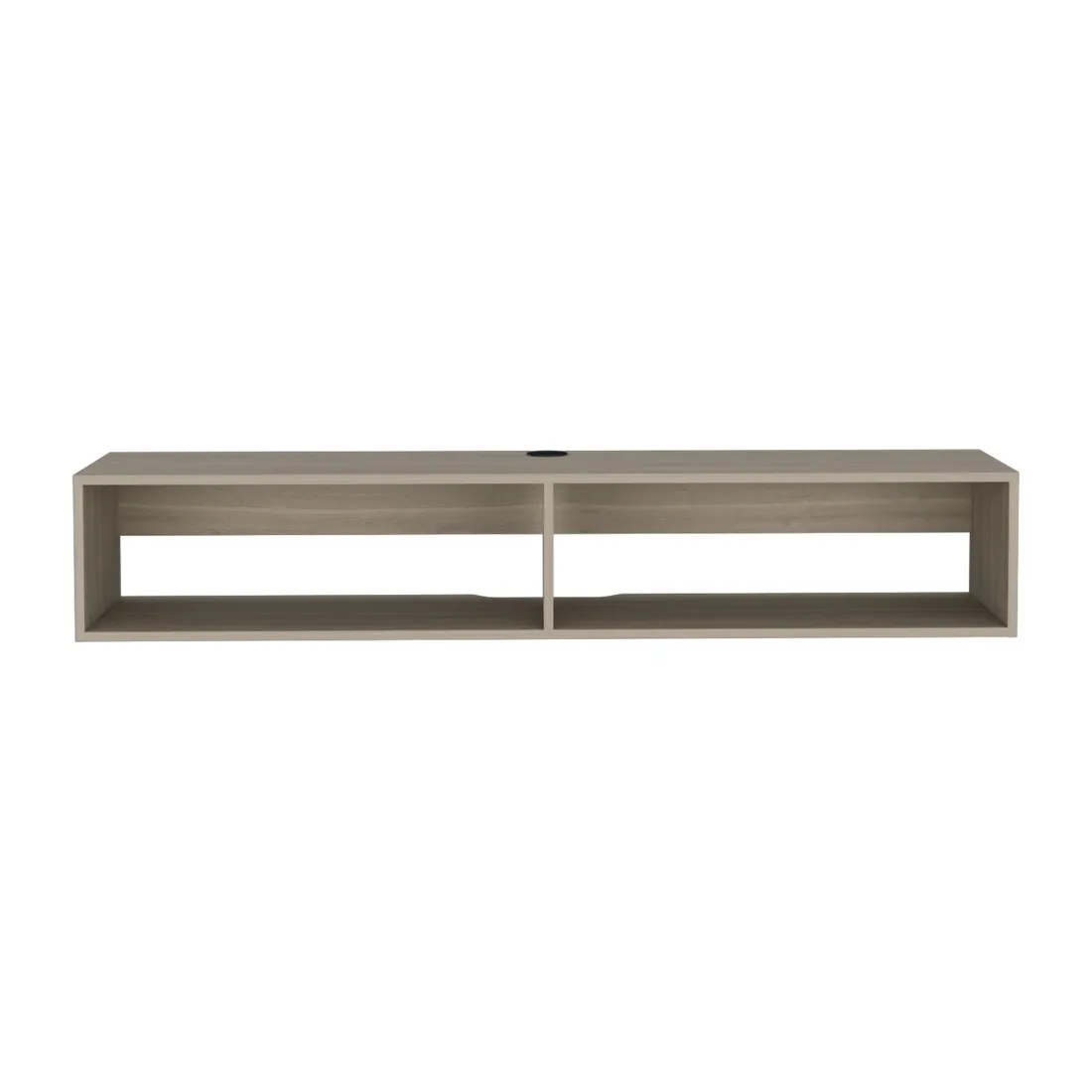
Goldoma 59 Inch Floating TV Stand Beige – Wall Mounted Media Console with Storage and Cord Management
For a reliable option, consider the Goldoma 59 Inch Floating TV Stand Beige, which offers ample storage and cord management in a warm neutral finish.
Frequently asked questions
Can a floating TV stand hold a large TV?
Yes, most floating TV stands are designed to support TVs up to 65 inches or more, but always check the weight capacity. Ensure it is mounted securely into wall studs for safety.
Do floating TV stands come with cable management?
Many modern floating TV stands include built-in cable management features like cutouts, channels, or removable panels to hide wires. This helps maintain a clean, organized look.
How do I install a floating TV stand on drywall?
You must attach the stand to wall studs, not just drywall. Use a stud finder to locate studs, then drill pilot holes and secure the mounting bracket with lag bolts. Follow the manufacturer’s instructions for best results.
What is the best material for a floating TV stand?
The best material depends on your budget and style. Solid wood offers durability and a premium look, while engineered wood (MDF) is more affordable. Metal and glass provide a modern aesthetic but may require more maintenance.
