
Blog
The Ultimate Guide to Choosing a Foaming Soap Dispenser
Buying Guide
Find Your Perfect Foaming Soap Dispenser
A foaming soap dispenser can transform your daily handwashing routine into a more enjoyable and efficient experience. Whether you’re upgrading your bathroom or kitchen, choosing the right dispenser matters.
Why Choose a Foaming Soap Dispenser?
Foaming soap dispensers are designed to mix air with liquid soap, creating a rich lather that spreads easily and rinses off quickly. This means you use less soap per wash, which can save you money and reduce plastic waste. Many people find that the foam texture feels more luxurious and encourages kids to wash their hands more thoroughly. Plus, a good foaming soap dispenser can be a stylish addition to your countertop.
Types of Foaming Soap Dispensers
When shopping for a foaming soap dispenser, you’ll encounter two main types: manual and automatic. Manual dispensers require a pump action, while automatic ones use a sensor to dispense foam hands-free. Each has its pros and cons. Manual dispensers are typically more affordable and don’t need batteries, but automatic ones offer convenience and reduce cross-contamination. Consider your household’s needs: if you have young children or frequently cook, an automatic dispenser might be worth the investment.
Materials: Glass, Plastic, or Ceramic?
The material of your foaming soap dispenser affects its durability, appearance, and maintenance. Glass dispensers look elegant and are easy to clean, but they can break if dropped. Plastic is lightweight and shatterproof, but may show wear over time. Ceramic offers a classic, sturdy option that resists scratches and stains. For a balance of aesthetics and practicality, many people prefer a sturdy plastic or ceramic dispenser that can withstand daily use. Remember to check the base material as well—a non-slip base prevents tipping.
Key Features to Look For
- Pump Mechanism: A high-quality pump should be smooth and not clog. Look for stainless steel or brass internal components for longevity.
- Capacity: Larger capacities (10-15 oz) mean fewer refills, but consider counter space. A 12 oz dispenser is a good middle ground.
- Design: Match your decor. Options range from minimalist to ornate, with colors and finishes like matte black, brushed nickel, or clear glass.
- Easy Refilling: A wide opening makes pouring soap easier and less messy. Some dispensers have a removable pump for thorough cleaning.
How to Maintain Your Foaming Soap Dispenser
To keep your foaming soap dispenser working well, clean it regularly. Every few refills, disassemble the pump and rinse it with warm water to remove soap residue. Avoid using abrasive cleaners that can scratch the surface. If the pump becomes stiff, a drop of mineral oil on the mechanism can help. For automatic dispensers, check the sensor window for soap buildup and wipe it gently with a damp cloth. With proper care, a quality dispenser can last for years.
DIY Foaming Soap Recipe
You can make your own foaming soap by mixing liquid castile soap with water in a 1:4 ratio (1 part soap to 4 parts water). Add a few drops of essential oil for fragrance. This is cost-effective and eco-friendly. Always use distilled water to prevent mineral buildup in the pump.
Where to Place Your Foaming Soap Dispenser
Placement is key for convenience and hygiene. In the bathroom, keep it near the sink but away from the edge where it could be knocked over. In the kitchen, position it beside the sink but out of the splash zone. If you have a double sink, consider one dispenser per side. A soap dispenser can also be a decorative element—choose a color that complements your countertop or backsplash.
Eco-Friendly Considerations
Using a refillable foaming soap dispenser reduces single-use plastic waste. Many brands offer bulk soap refills or soap concentrates that you mix with water. Some dispensers are made from recycled materials. By choosing a durable dispenser and buying soap in bulk, you can significantly lower your environmental footprint. Look for BPA-free plastic and recyclable packaging when possible.
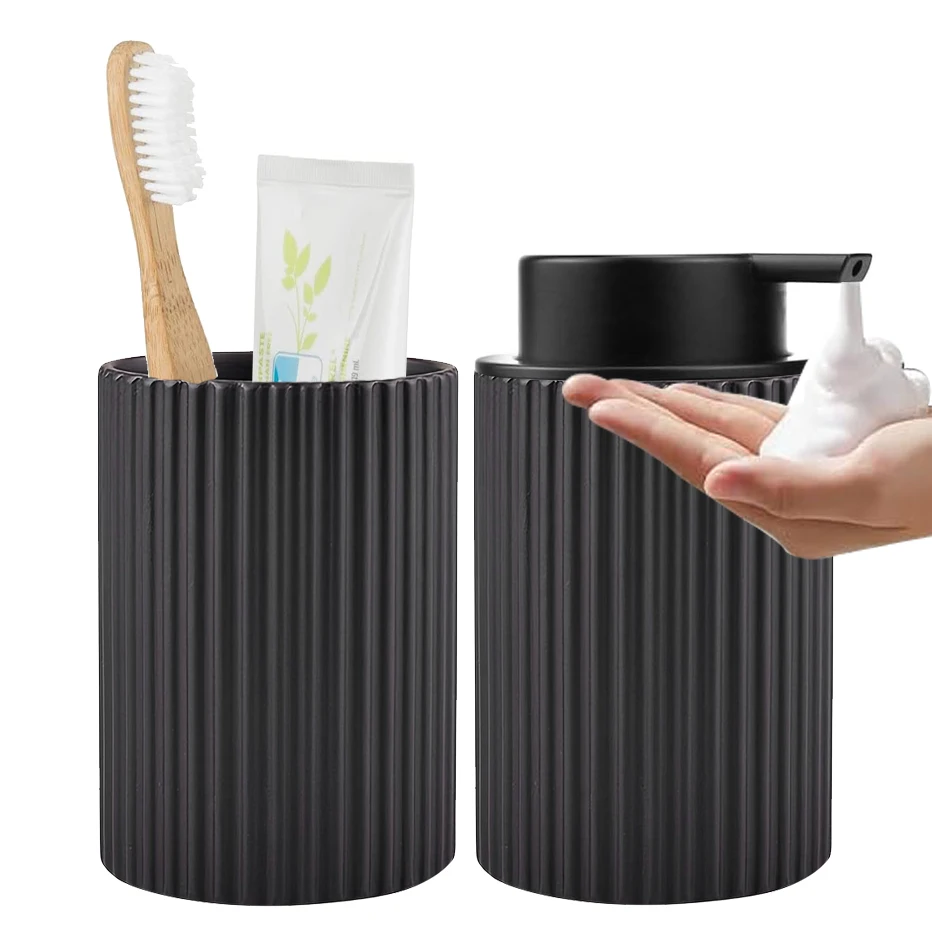
Hand Foaming Bottle with Toothbrush Cup Strip Design Bathroom Countertop Hand Washing Foaming Dispenser Bottle
For those seeking a practical and stylish option, the Hand Foaming Bottle with Toothbrush Cup Strip Design combines a foaming dispenser with a built-in cup, making it a space-saving choice for bathroom countertops.
Frequently asked questions
Can I use regular liquid soap in a foaming soap dispenser?
It’s not recommended because regular liquid soap is too thick and can clog the pump. Foaming soap dispensers work best with a thin soap solution or a specially formulated foaming soap. You can dilute liquid soap with water in a 1:4 ratio, but results vary.
How do I unclog a foaming soap dispenser?
Remove the pump and soak it in warm water with a little vinegar for 15 minutes. Rinse thoroughly and reassemble. If it’s still clogged, disassemble the pump and clean each part with a small brush.
Are automatic foaming soap dispensers worth it?
Automatic dispensers offer hands-free operation, which can reduce the spread of germs. They are especially useful in high-traffic areas or for people with mobility issues. However, they require batteries and may cost more upfront.
How often should I clean my foaming soap dispenser?
Clean the dispenser every time you refill it, or at least once a month. Regular cleaning prevents soap residue buildup and keeps the pump working smoothly.