
Blog
Garden Gnome Statue Buying Guide: Charm & Care
Buying Guide
Your Perfect Garden Gnome Statue Awaits
A garden gnome statue can transform an ordinary yard into a whimsical retreat, but choosing the right one requires a bit of know-how. Whether you’re a seasoned collector or a first-time buyer, this guide will help you find a piece that brings joy for years.
Why a Garden Gnome Statue Adds Charm to Your Outdoor Space
Garden gnomes have been a beloved tradition since the 19th century, originating in Germany where they were thought to bring good luck. Today, a garden gnome statue serves as a playful focal point, a conversation starter, or a nod to folklore. They can reflect your personality—whether you prefer a classic bearded fellow or a modern, minimalist design. The right gnome can make your garden feel more inviting and personal.
Beyond aesthetics, gnomes can also serve practical purposes. Some are designed to hold small tools, while others incorporate solar lighting to illuminate pathways. As you shop, consider how a gnome might enhance not just the look but also the functionality of your outdoor area.
Key Materials: From Resin to Stone
The material of your garden gnome statue determines its durability, appearance, and weight. Here are the most common options:
- Resin: Lightweight and affordable, resin gnomes can be molded with intricate details. They are weather-resistant but may fade over time if not UV-protected.
- Polyresin: A step up from resin, polyresin is more durable and often hand-painted, offering vibrant colors and a stone-like finish.
- Concrete: Heavy and sturdy, concrete gnomes withstand harsh weather but can crack if not sealed. They have a rustic, traditional look.
- Stone: Natural stone or cast stone gnomes are the most durable and elegant, but they are also heavier and more expensive.
- Metal: Wrought iron or aluminum gnomes add a whimsical, artistic touch, but they can rust if not properly coated.
When choosing a material, think about your climate and the gnome’s intended location. For example, if you live in an area with freezing winters, opt for frost-resistant resin or concrete that won’t crack.
Styles and Themes: Traditional to Whimsical
Garden gnome statues come in a wide range of styles, from classic to contemporary. Traditional gnomes feature red pointed hats, white beards, and blue tunics, often holding a lantern or a shovel. These are perfect for cottage gardens or woodland settings.
For a more modern twist, you’ll find gnomes in various poses—reading, fishing, or even meditating. Some are designed to blend with specific garden themes, such as fairy gardens, Zen spaces, or children’s play areas. Consider the overall aesthetic of your garden when selecting a style. A whimsical gnome might clash with a minimalist landscape, while a subtle, stone-colored gnome could complement a natural rock garden.
Seasonal and Holiday Gnomes
Many gardeners enjoy swapping gnomes seasonally. Christmas gnomes with Santa hats, Halloween gnomes with pumpkins, and spring gnomes with flowers add festive charm. If you like to change décor, look for gnomes that are easy to move and store.
Placement Tips: Where to Put Your Garden Gnome Statue
Placement is crucial to maximizing the visual impact of your garden gnome statue. Here are some ideas:
- Near a Pathway: A gnome peeking from behind a bush or beside a stepping stone adds surprise and guides visitors.
- Under a Tree: Nestle your gnome among roots or at the base of a tree to create a natural, storybook scene.
- Beside a Water Feature: Gnomes fishing or sitting by a pond or fountain bring a sense of tranquility.
- In a Flower Bed: Place smaller gnomes among flowers to create a hidden treasure effect.
- On a Patio or Balcony: If you lack ground space, a gnome on a shelf, railing, or table can still add charm.
Consider the gnome’s line of sight. If the gnome is looking in a certain direction, position it so that it seems to be gazing at a focal point, like a birdbath or a statue. Also, ensure the gnome is visible from your favorite indoor viewing spot, like a kitchen window.
Sizing and Scale: Choosing the Right Height
Garden gnome statues range from tiny 4-inch figures to grand 3-foot sentinels. The size you choose depends on your space and purpose. A small gnome can be tucked into a container garden, while a larger gnome can serve as a standalone statement piece.
As a rule, larger gnomes work best in open spaces, while smaller ones are ideal for intimate gardens or borders. If you’re creating a scene with multiple gnomes, vary their heights to add depth. Also, consider the viewing distance—if your garden is seen from a distance, a larger gnome will have more impact.
Solar Lights and Features: Adding Functionality
Some garden gnome statues incorporate solar-powered lights, which can illuminate pathways or create a magical evening ambiance. These are not only practical but also eco-friendly. When choosing a solar gnome, check the quality of the solar panel and battery. A good solar gnome will charge in direct sunlight and provide light for several hours after dusk.
Other features to look for include weatherproof finishes, UV protection, and rust-resistant hardware. If you live in a windy area, opt for a heavier gnome or secure it to the ground with stakes.
Caring for Your Garden Gnome Statue
To keep your garden gnome statue looking its best, regular maintenance is essential. Here are some tips:
- Cleaning: Gently wash with mild soap and water using a soft cloth or brush. Avoid harsh chemicals that can damage the finish.
- Protection: Apply a clear sealant annually to protect against moisture and UV rays, especially for concrete or resin gnomes.
- Winter Care: In freezing climates, bring smaller gnomes indoors or cover them with a breathable cloth to prevent cracking.
- Repairs: For minor chips, use a waterproof adhesive or repair kit. For major damage, consider professional restoration.
Proper care will extend the life of your gnome and keep it vibrant for years.
Where to Buy and What to Avoid
You can find garden gnome statues at garden centers, home improvement stores, online marketplaces, and specialty shops. When shopping, inspect the quality of the craftsmanship—look for even paint, smooth edges, and sturdy construction. Avoid gnomes with visible seams or flimsy materials that may break easily.
Read reviews to gauge customer satisfaction, and check the seller’s return policy. If you’re buying online, look for detailed photos and dimensions to ensure the gnome meets your expectations.
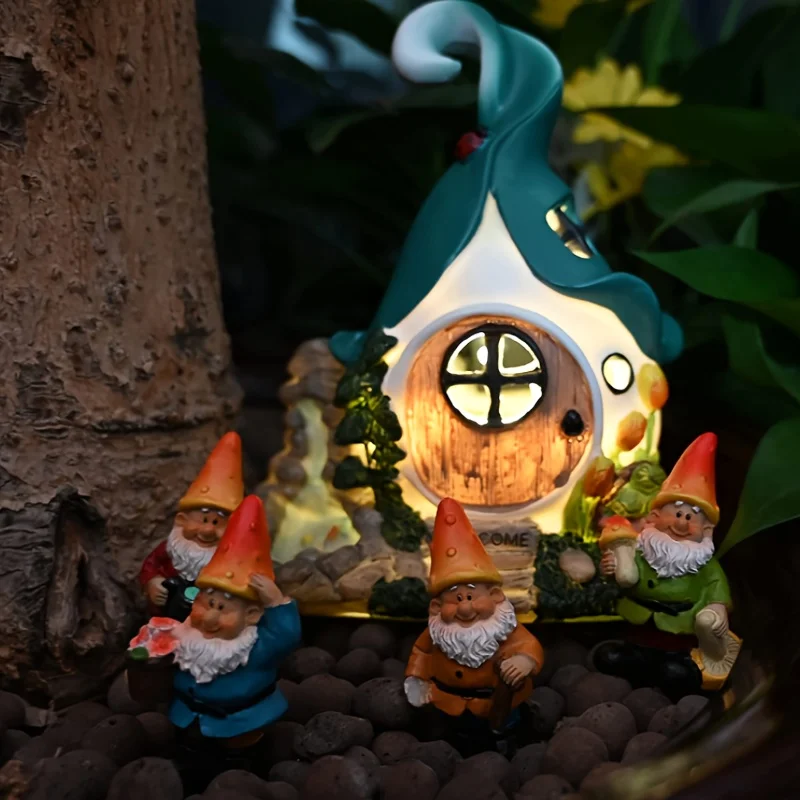
For a unique and functional option, consider the Outdoor Garden Gnome Statue Light, which combines a charming figure with solar lighting. It’s a delightful addition to any garden.
Outdoor Garden Gnome Statue Light, Garden Statue Gnome House with Solar Lights, Figurine Lights Gnome Garden House Statue
For a functional yet charming option, consider the Outdoor Garden Gnome Statue Light, which combines a classic gnome house design with solar-powered lighting to enhance your garden at night.
Frequently asked questions
What is the best material for a garden gnome statue?
The best material depends on your climate and budget. Resin and polyresin are affordable, lightweight, and weather-resistant, making them popular choices. Concrete and stone offer durability and a classic look but are heavier and more expensive. Consider your local weather and where you plan to place the gnome.
How do I prevent my garden gnome statue from fading?
To prevent fading, choose a gnome with UV-protected paint or apply a clear UV-resistant sealant annually. Place the gnome in a spot that gets partial shade, especially during the intense afternoon sun. Regular cleaning and re-sealing will also help maintain its color.
Can garden gnome statues withstand winter weather?
Most garden gnome statues are designed to withstand outdoor conditions, but freezing temperatures can cause cracking in porous materials like concrete. To protect your gnome, bring it indoors during winter or cover it with a breathable cloth. For severe climates, opt for resin or polyresin gnomes that are more frost-resistant.
How can I make my garden gnome statue look more natural in my garden?
To make your gnome look natural, place it in a setting that mimics its story—like under a tree, near a pond, or among flowers. Use plants, rocks, or moss to partially hide the gnome, creating a sense of discovery. Ensure the gnome’s size and style complement the surrounding landscape.
