
Blog
Garden Planter Green: A Fresh Take on Outdoor Decor
Outdoor Living
Garden Planter Green: Elevate Your Outdoor Space
A garden planter green is more than a container—it’s a canvas for nature’s palette. Whether you’re a seasoned gardener or a newbie, this guide will help you choose, place, and care for your green planter to create a lush sanctuary.
Why Choose a Garden Planter Green?
Green is the color of life, renewal, and nature itself. A garden planter green not only complements the foliage it holds but also adds a calming presence to any outdoor area. Unlike neutral tones, green planters blend seamlessly with the environment, making them a favorite among landscape designers. They can either stand out as a bold statement or fade into the background, depending on the shade and placement.
Materials Matter: From Terracotta to Recycled Plastic
The material of your garden planter green affects durability, weight, and moisture retention. Here are common options:
- Terracotta: Classic and porous, allowing air and water to pass through; ideal for plants that prefer dry conditions.
- Ceramic: Glazed for a glossy finish, less porous, and heavier; great for indoor-outdoor transitions.
- Plastic: Lightweight, affordable, and often made from recycled materials; retains moisture well.
- Fiberglass: Durable and lightweight, with a modern look; resists cracking in freezing temperatures.
When selecting a material, consider your climate and the specific needs of your plants. For instance, succulents thrive in terracotta, while ferns prefer the moisture retention of plastic.
Finding the Perfect Spot: Light and Accessibility
Placement is key to the success of your garden planter green. Observe your outdoor space throughout the day to determine sun exposure. Most flowering plants need at least six hours of sunlight, while shade-loving varieties like hostas require less. Also, consider accessibility for watering and maintenance. A planter near a water source simplifies your routine, and placing it at waist height on a stand can reduce back strain.
Plant Selection: What to Grow in Your Green Planter
Your green planter is versatile enough for a range of plants. Here are some ideas:
- Herbs: Basil, rosemary, and mint thrive in containers and offer culinary benefits.
- Flowers: Petunias and marigolds add vibrant color and attract pollinators.
- Succulents: Low-maintenance options like echeveria and sedum are perfect for busy gardeners.
- Small shrubs: Dwarf conifers or boxwoods provide year-round structure.
Consider companion planting to maximize space and health—like pairing tomatoes with basil to deter pests.
Caring for Your Garden Planter Green: Drainage and Soil
Proper drainage is crucial to prevent root rot. Ensure your planter has drainage holes, and add a layer of gravel at the bottom if needed. Use high-quality potting mix that suits your plant types—cacti mix for succulents, all-purpose for most others. Regularly check soil moisture; overwatering is a common mistake. A moisture meter can help, or simply stick your finger an inch into the soil—if it feels dry, it’s time to water.
Seasonal Updates: Keep Your Planter Fresh Year-Round
Change your plantings with the seasons to keep your garden planter green looking its best. In spring, plant tulip bulbs or pansies. Summer calls for heat-loving annuals like geraniums. Fall brings mums and ornamental kale. For winter, consider evergreen branches and berries. This not only extends the life of your planter but also gives you a reason to refresh your outdoor decor regularly.
DIY Ideas: Personalize Your Green Planter
Make your garden planter green uniquely yours with simple DIY projects. Paint it with weather-resistant paint to add patterns or a distressed look. Attach stencils or use mosaic tiles for texture. You can also repurpose old planters by giving them a fresh coat of green. For a natural touch, wrap the planter in burlap or twine. These projects are fun and allow you to express your style.
Eco-Friendly Gardening: Sustainable Practices
Gardening is inherently green, but you can go further. Choose planters made from recycled materials, like our recycled plastic options. Use organic soil and compost to nourish plants without chemicals. Collect rainwater for irrigation. By making eco-conscious choices, you reduce your carbon footprint and create a healthier environment for your plants and local wildlife.
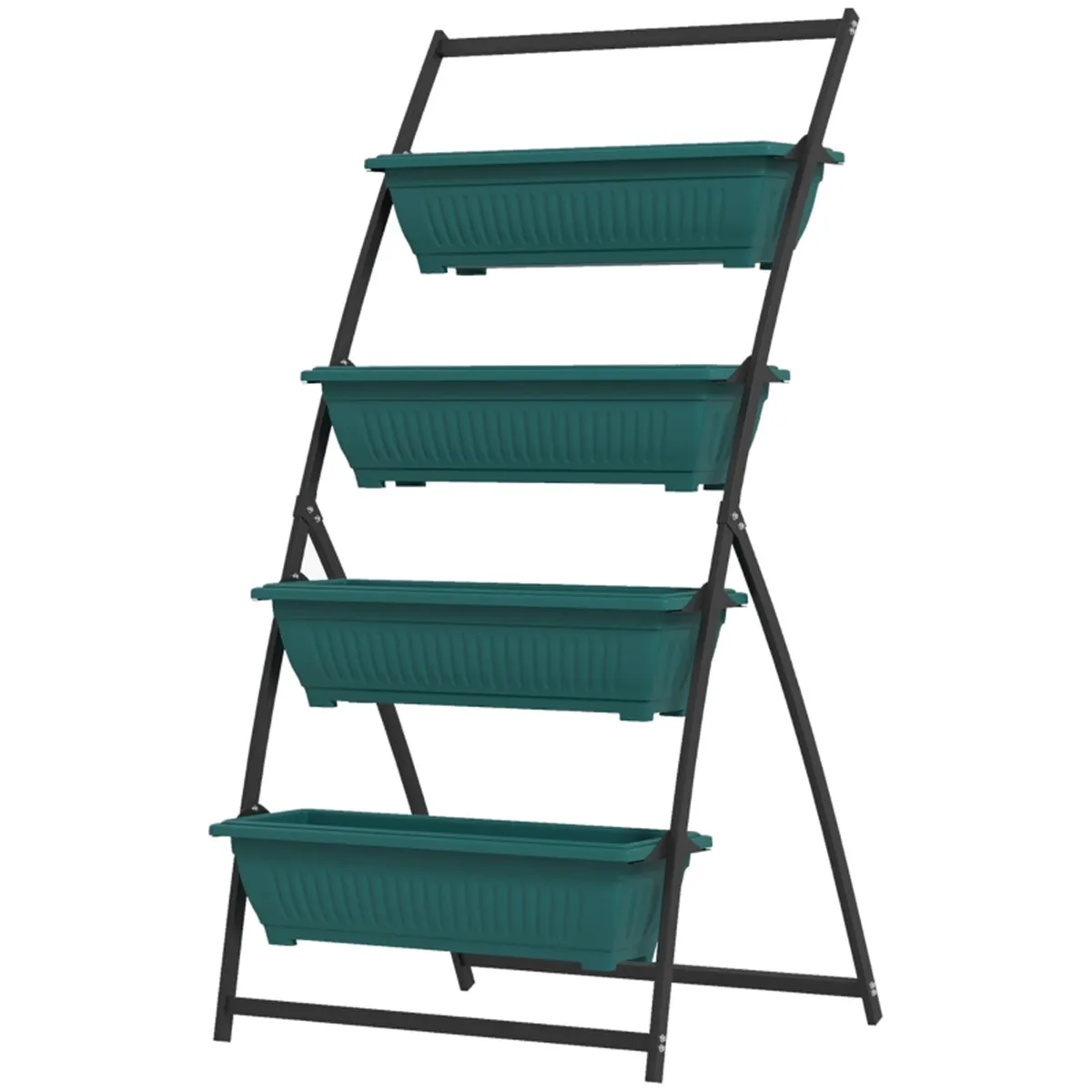
Garden Planter Green
For a durable and stylish option, consider the Garden Planter Green from Goldoma, which combines sustainability with aesthetic appeal.
Frequently asked questions
What is the best material for a garden planter green?
The best material depends on your needs. Terracotta is breathable and great for succulents, while plastic is lightweight and retains moisture. Consider your climate and plant types to make the right choice.
How do I prevent overwatering in my green planter?
Ensure your planter has drainage holes and use well-draining soil. Check soil moisture before watering—stick your finger an inch deep; if it feels dry, water. Consider a moisture meter for accuracy.
Can I leave my garden planter green outdoors in winter?
It depends on the material. Terracotta and ceramic can crack in freezing temperatures, so move them indoors or into a garage. Plastic and fiberglass are more resistant but still benefit from protection.
How often should I repot plants in a green planter?
Repot when roots outgrow the container or when the plant becomes root-bound, typically every 1-2 years. Spring is the best time to repot, as plants are entering their growth phase.
