
Blog
Essential Guide to German Tableware: Quality & Design
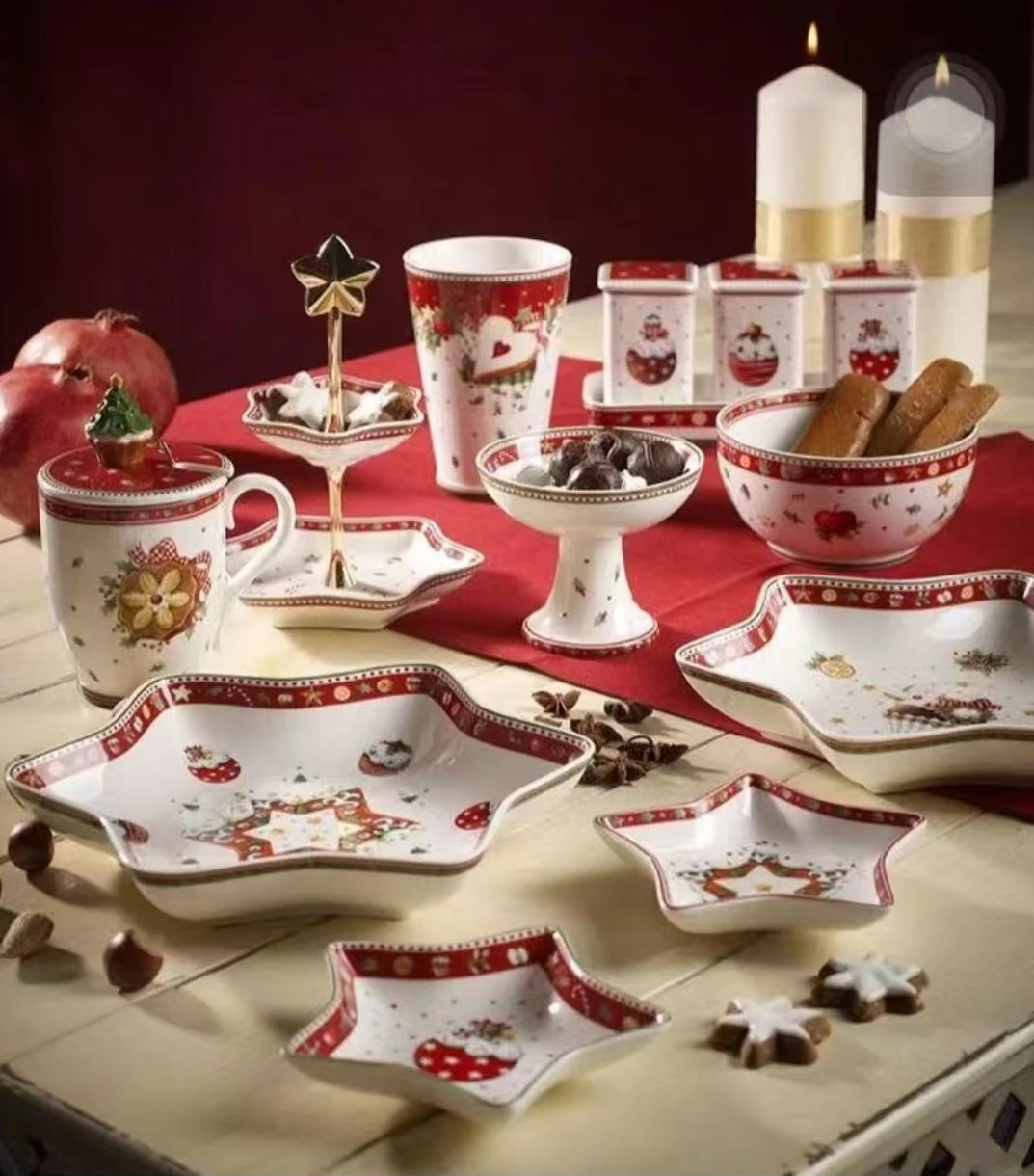
Buying Guide
The Art of German Tableware: Craftsmanship Meets Function
German tableware is renowned for its precision and beauty, blending centuries of tradition with modern innovation. Whether you’re setting a casual dinner or a festive table, understanding what makes these pieces special helps you choose wisely.
Why German Tableware Stands Out
German tableware has earned a global reputation for durability, timeless design, and meticulous attention to detail. From the famous porcelain of Meissen to the robust stoneware of Westerwald, each piece reflects a commitment to quality that has been honed over generations. The clay used is often locally sourced, and firing techniques are passed down through families, ensuring that every plate, cup, or vase is not just functional but a work of art.
When you hold a piece of German tableware, you notice the weight, the smooth glaze, and the perfect balance. These are not mass-produced items; they are crafted with care. The designs range from classic white with delicate floral motifs to bold, modern geometric patterns. This variety means that whether your home decor is minimalist or eclectic, there is a German-made piece that will feel like it belongs.
Key Materials in German Tableware
Understanding the materials helps you appreciate the value. The most common are:
- Porcelain: Known for its translucent quality and strength. German porcelain is often hard-paste, fired at high temperatures, making it chip-resistant and suitable for everyday use or special occasions.
- Stoneware: Heavier and more rustic, stoneware is ideal for casual dining. It retains heat well, perfect for serving stews or casseroles. The glazes are often reactive, creating unique color variations.
- Earthenware: More porous and typically decorated with colorful patterns. It is less durable than porcelain but has a charming, handcrafted feel.
Each material has its own care requirements. Porcelain and stoneware are generally dishwasher and microwave safe, while earthenware may need gentle hand washing. Always check the manufacturer’s recommendations.
Design Traditions and Modern Trends
German tableware design is rooted in the Bauhaus movement and the simplicity of Scandinavian style. Clean lines, functional forms, and subtle elegance are hallmarks. However, there is also a rich tradition of ornate, hand-painted patterns, especially from regions like Bavaria and Saxony.
Today, many German manufacturers blend these traditions with contemporary aesthetics. You’ll find collections that combine minimalist silhouettes with bold colors or matte finishes. The trend toward sustainability has also influenced design, with more brands using eco-friendly glazes and recyclable packaging.
How to Choose the Right German Tableware for Your Home
Start by considering how you will use the pieces. For daily meals, choose durable stoneware or porcelain that can withstand frequent washing. For entertaining, consider a mix-and-match approach: a classic white dinner set with colored accent pieces. Think about storage: do you have space for a full service or prefer nesting bowls?
Examine the craftsmanship: look for even glazing, no bubbles or cracks, and a flat base that doesn’t wobble. Weight is a good indicator of quality—heavier pieces often mean thicker, more durable material. Also, check that the design is timeless enough to last through changing trends.
Caring for German Tableware to Ensure Longevity
Proper care extends the life of your tableware. For porcelain and stoneware, avoid sudden temperature changes (like putting a hot dish into cold water) as this can cause cracking. Use gentle detergents and avoid abrasive scrubbers. Store plates with felt separators to prevent scratching. For hand-painted or gilded pieces, hand washing is best to preserve the decoration.
If you have antique German tableware, handle with extra care. The glazes may be more delicate, and some older pieces contain lead—so use them for display rather than food. Research the age and origin from reputable sources like the Wikipedia page on porcelain to learn more.
Where to Find Authentic German Tableware
Look for trusted retailers that specialize in European imports. Online marketplaces like Etsy have vintage and artisan pieces, but verify the seller’s reputation. For new items, brands like Villeroy & Boch, Rosenthal, and WMF are well-known. But don’t overlook smaller workshops that produce limited runs—they often offer unique designs.
When shopping, read descriptions carefully. Terms like “Made in Germany” are legally protected, so they indicate genuine origin. Be cautious of “German-style” or “German-inspired” which may not be authentic.
Exploring the Versatility of German Tableware Beyond Dining
German tableware isn’t limited to plates and cups. Many pieces double as home decor. For example, a beautifully crafted vase can become a centerpiece, while a pitcher can hold flowers or serve water. The same attention to detail that makes dinnerware functional also makes decorative objects special.
Consider adding a pendant or candlestick to create a cohesive look. The German tableware Monet garden fascination series pendant, candlestick vase brings the beauty of a garden into your home with delicate floral motifs and elegant forms. It’s a subtle way to extend the artistry of your table setting to other parts of your living space.
German tableware Monet garden fascination series pendant, candlestick vase
For a touch of artistic elegance, consider the German tableware Monet garden fascination series pendant, candlestick vase, which seamlessly blends floral inspiration with functional design.
Frequently asked questions
Is German tableware dishwasher safe?
Most German porcelain and stoneware are dishwasher safe, but hand-painted or gilded pieces should be hand washed to preserve the decoration.
What is the difference between porcelain and stoneware?
Porcelain is more delicate and translucent, fired at higher temperatures, while stoneware is heavier, more rustic, and retains heat better.
How can I identify authentic German tableware?
Look for ‘Made in Germany’ markings and research the manufacturer. Reputable brands include Villeroy & Boch, Rosenthal, and Meissen.
Can I mix different German tableware patterns?
Yes, mixing patterns is a popular trend. Stick to a unifying color palette or material to maintain a cohesive look.
