
Blog
German Tableware: Timeless Elegance for Your Home
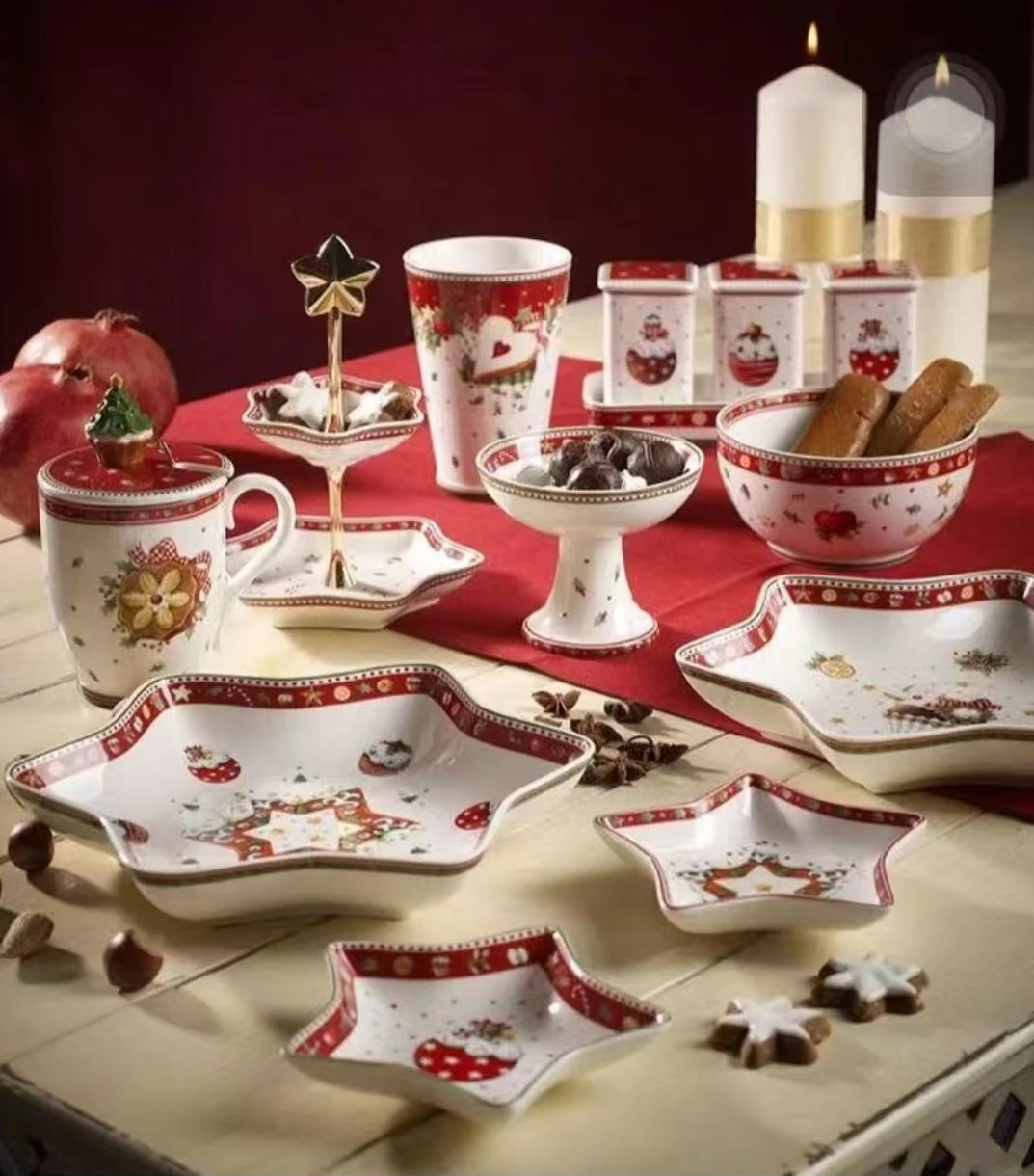
Buying Guide
German Tableware: A Guide to Craftsmanship and Design
German tableware is renowned for its precision, durability, and timeless aesthetic. Whether you’re setting a formal dinner or enjoying a casual meal, these pieces elevate every occasion.
Understanding German Tableware: A Legacy of Quality
When we talk about German tableware, we’re referring to a tradition that marries industrial precision with artistic sensibility. From the historic porcelain manufactories of Meissen to modern studios in Bavaria, German craftsmen have perfected the art of creating tableware that is both functional and beautiful. The hallmark of German tableware is its durability—pieces are designed to withstand daily use while maintaining their elegance. Many collections feature clean lines, subtle glazes, and ergonomic shapes that make them a pleasure to hold and use.
One of the key attributes of German tableware is its versatility. Whether you prefer classic white porcelain or earthy stoneware, there is a style to suit every taste. The focus keyword German tableware often brings to mind images of crisp, minimalist designs, but the spectrum is wide—from ornate, hand-painted patterns to sleek, modern forms. This diversity allows you to mix and match pieces to create your own unique table setting.
Why Choose German Tableware for Your Dining Experience
Investing in German tableware means investing in longevity. Unlike mass-produced alternatives, German manufacturers prioritize quality materials and meticulous craftsmanship. Each piece undergoes rigorous testing to ensure it can withstand thermal shock, chipping, and staining. This commitment to excellence means your tableware will look as good years from now as it did the day you bought it.
Moreover, German tableware is designed with the user in mind. Ergonomic handles, stackable shapes, and easy-to-clean surfaces make everyday dining a pleasure. Many collections are also dishwasher and microwave safe, adding convenience without sacrificing style. For those who appreciate the finer things in life, Meissen porcelain is a prime example of how German craftsmanship has influenced the world of ceramics.
Key Materials in German Tableware: Porcelain, Stoneware, and More
German tableware is made from a variety of high-quality materials, each with its own characteristics. Porcelain is perhaps the most celebrated—it is translucent, strong, and resistant to chipping. Traditional German porcelain often features delicate floral motifs or gold accents, while contemporary designs favor clean, minimalist aesthetics. Stoneware, on the other hand, is known for its earthy tones and robust feel. It is perfect for casual dining and often has a matte finish that adds a rustic charm.
Other materials include bone china, which is lighter and more translucent than porcelain, and earthenware, which has a more porous body and is often glazed for durability. When selecting German tableware, consider the material’s suitability for your lifestyle. For example, if you frequently host formal dinners, fine porcelain might be ideal. For daily use, stoneware or durable porcelain is a better choice.
Design Styles: From Traditional to Contemporary
The design of German tableware ranges from timeless traditional to ultra-modern. Traditional styles often feature intricate patterns, such as the famous onion pattern or delicate floral sprays. These designs are rooted in centuries of craftsmanship and are beloved for their elegance. Contemporary German tableware, meanwhile, focuses on simplicity and functionality. Clean lines, neutral colors, and stackable forms are hallmarks of modern design. Many contemporary collections draw inspiration from nature, with organic shapes and subtle color palettes that complement any table setting.
When choosing a style, think about your existing decor and how you want your table to feel. A traditional set can add a touch of formality, while a modern set can create a relaxed, minimalist vibe. Mixing both can also be effective—for instance, using a classic dinner plate with a modern salad plate.
How to Select the Perfect German Tableware Set
Choosing the right German tableware set involves considering your needs and preferences. Start by determining the number of place settings you require—consider your typical number of guests and whether you entertain often. Next, think about the pieces you need: dinner plates, salad plates, bowls, mugs, and serving dishes. Many sets are sold as complete collections, but you can also buy individual pieces to customize your set.
Pay attention to the shape and size of the pieces. For example, deep-rimmed plates are great for saucy dishes, while flat plates work well for dry meals. Bowls should be deep enough for soup or cereal. Also, consider the weight and feel of the tableware—it should be comfortable to hold and not too heavy. Finally, look at the warranty and brand reputation. German brands like Villeroy & Boch, Rosenthal, and WMF are known for their quality and offer extensive collections.
Caring for Your German Tableware: Tips for Longevity
Proper care ensures that your German tableware remains beautiful for years. Most high-quality German tableware is dishwasher safe, but it’s best to use a gentle cycle and avoid abrasive detergents. For hand washing, use a soft sponge and mild soap. Avoid stacking plates without protective liners, as this can cause scratches. When storing, use plate racks or dividers to prevent chips.
If your tableware has gold or platinum accents, hand washing is recommended to preserve the metallic finish. Also, avoid sudden temperature changes—don’t pour boiling water into a cold cup. With proper care, your German tableware will continue to impress at every meal.
Where to Buy Authentic German Tableware
Authentic German tableware can be found at specialty kitchen stores, department stores, and online retailers. When shopping online, look for official brand stores or reputable dealers. Check for product descriptions that mention ‘Made in Germany’ and read reviews from other buyers. Prices vary widely depending on the brand, material, and design complexity. While some pieces are investment-worthy, there are also affordable options that don’t compromise on quality.
For a unique touch, consider the German tableware Monet garden fascination series pendant, candlestick vase from Goldoma. This piece combines artistic inspiration with functional design, adding a subtle floral elegance to your table. It’s a wonderful conversation starter and a beautiful addition to any collection.
Conclusion: Elevate Your Dining with German Tableware
German tableware offers a perfect blend of tradition, quality, and style. Whether you prefer classic porcelain or modern stoneware, there is a set that will enhance your dining experience. By investing in well-crafted pieces, you bring a piece of German artistry into your home. Remember to choose materials and designs that suit your lifestyle and care for them properly to enjoy their beauty for years to come.
German tableware Monet garden fascination series pendant, candlestick vase
For a touch of artistic flair, consider the German tableware Monet garden fascination series pendant, candlestick vase from Goldoma, which beautifully combines nature-inspired design with everyday functionality.
Frequently asked questions
What makes German tableware different from other tableware?
German tableware is known for its high-quality materials, precise craftsmanship, and durability. It often features timeless designs that blend functionality with elegance, making it a long-lasting investment for your home.
Is German tableware dishwasher safe?
Most high-quality German tableware is dishwasher safe, but it’s always best to check the manufacturer’s instructions. Pieces with metallic accents may require hand washing to preserve their finish.
How do I choose the right German tableware set for my home?
Consider your lifestyle, dining habits, and decor style. Determine the number of place settings you need and the types of pieces (plates, bowls, mugs). Look for sets that offer versatility and complement your existing tableware.
Can I mix different German tableware brands?
Absolutely! Mixing different brands and styles can create a unique and personalized table setting. Just ensure that the pieces complement each other in color, shape, and material for a cohesive look.
