
Blog
The Ultimate Guide to Choosing a Glass Lunch Box
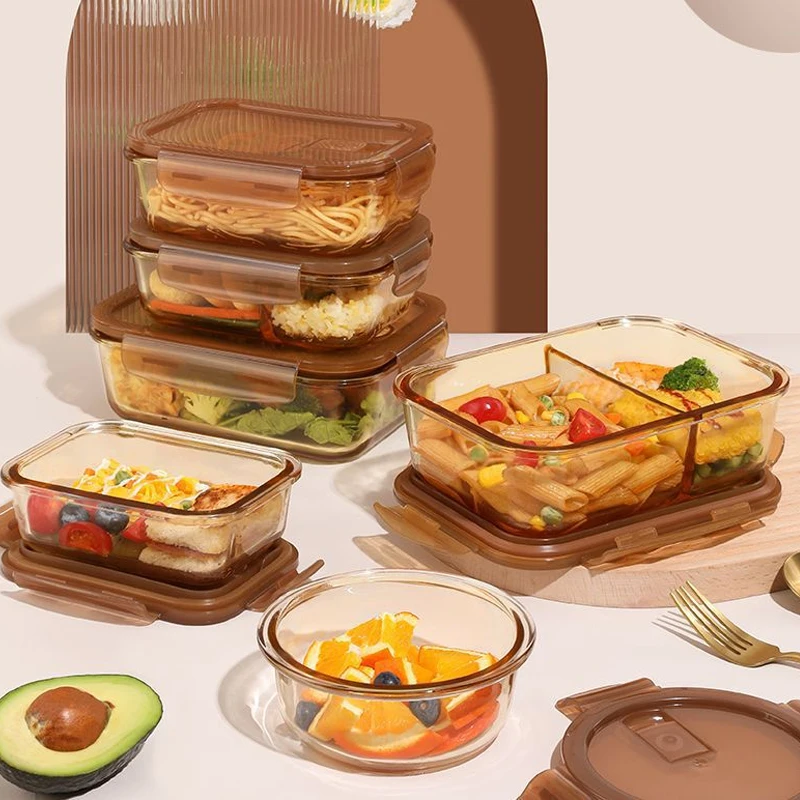
Buying Guide
Find Your Perfect Glass Lunch Box Today
Choosing the right glass lunch box can make your daily meals healthier and more convenient. In this guide, we’ll walk you through everything you need to know.
Why Choose a Glass Lunch Box?
Glass lunch boxes have become increasingly popular due to their durability and safety. Unlike plastic containers, glass does not leach harmful chemicals into your food, especially when heated. They are also more resistant to stains and odors, making them a long-lasting choice for meal prep.
Another advantage is their transparency—you can easily see what’s inside without opening the lid. This is particularly useful when you have multiple containers in the fridge. Glass also does not warp over time, ensuring a tight seal for freshness.
Key Features to Look For
When shopping for a glass lunch box, consider the following features:
- Borosilicate or Tempered Glass: Both are heat-resistant and less likely to break under thermal shock. Borosilicate is lighter, while tempered glass is stronger.
- Leak-Proof Lid: Look for silicone gaskets and sturdy latches to prevent spills during transport.
- Microwave and Oven Safe: Ensure the container can withstand the temperatures you’ll use. Some glass boxes can go from freezer to oven.
- Easy to Clean: Dishwasher-safe glass saves time. Avoid textured surfaces that trap food.
Size and Compartments
Glass lunch boxes come in various sizes, from small snack containers to large meal prep boxes. A rectangular 600ml box is great for a single portion, while a 1200ml box suits larger appetites. Some have dividers to separate different foods, preventing sogginess.
Consider your typical meal: if you often pack leftovers, a larger single compartment may be better. For bento-style lunches, multi-compartment boxes keep items distinct. Always check the dimensions to ensure it fits in your bag or lunch cooler.
Safety and Durability
All glass lunch boxes should be made from food-grade materials. Look for BPA-free lids and heat-resistant glass. While glass is generally safe, it can break if dropped. Some brands offer reinforced glass or silicone sleeves for extra protection.
To avoid breakage, avoid sudden temperature changes—let hot food cool before refrigerating, and never put a cold glass dish directly into a hot oven. For more on glass safety, check this Wikipedia article on borosilicate glass.
Eco-Friendly and Cost-Effective
Using a glass lunch box reduces single-use plastic waste. While the upfront cost may be higher than plastic, glass lasts for years, making it a smart investment. Many glass boxes are also recyclable at end of life, further reducing environmental impact.
Plus, glass doesn’t absorb food odors or stains, so you can use it for curries one day and fruit the next without lingering smells. This longevity saves money and resources in the long run.
How to Maintain Your Glass Lunch Box
Proper care extends the life of your glass lunch box. Always cool food before sealing the lid to prevent vacuum lock. Wash with mild detergent and avoid abrasive scrubbers that can scratch the glass. Store with the lid slightly ajar to prevent odors.
If the silicone seal becomes loose, replace it if possible, or consider a new container. Avoid using metal utensils inside, as they can scratch the glass over time.
Top Tips for Meal Prepping with Glass
Meal prepping with glass containers is efficient. Use rectangular shapes for easy stacking in the fridge. Label with dates to track freshness. When reheating, remove the lid to allow steam to escape. For frozen meals, thaw in the fridge before microwaving.
Glass containers also work well for baking small portions like individual casseroles. Just ensure your box is oven-safe and adjust cooking times accordingly.
Rectangular Glass Crisper Lunch Box Microwave Lunch Box Heat-resistant Sealed Lunch Box Kitchen Utensils Household Tableware
For a reliable option, consider the Rectangular Glass Crisper Lunch Box, which offers heat resistance and a secure seal for leak-free transport.
Frequently asked questions
Can I use a glass lunch box in the microwave?
Yes, most glass lunch boxes are microwave-safe. However, always check the manufacturer’s instructions and avoid using metal parts. Remove the lid or leave it slightly open to allow steam to escape.
Is glass better than plastic for lunch boxes?
Glass is generally safer as it doesn’t leach chemicals, is more durable, and doesn’t retain odors or stains. It’s also microwave and oven safe, unlike many plastics. However, glass is heavier and more breakable.
How do I clean a glass lunch box with a silicone seal?
You can wash it in the dishwasher or by hand with warm soapy water. To deep clean, remove the silicone seal if possible and soak in vinegar solution to remove odors. Ensure it’s completely dry before reassembling.
What size glass lunch box should I buy?
It depends on your appetite and meal type. For a single adult meal, 600-800ml is typical. For larger portions or salads with dressing, 1000-1200ml works well. Consider your daily needs and storage space.
