
Blog
Greek Goddess Figurine: Timeless Myths for Modern Homes
Decor Guide
Greek Goddess Figurine: Myths Meet Modern Decor
A Greek goddess figurine can transform a shelf into a story. These sculptures carry centuries of symbolism, yet they feel right at home in contemporary interiors.
Why a Greek Goddess Figurine Captivates
There’s something timeless about a Greek goddess figurine. Whether it’s Athena’s wisdom or Aphrodite’s grace, these figures whisper tales of ancient Olympus. They bridge the gap between history and modern living, adding a layer of meaning that mass-produced decor often lacks.
Unlike generic ornaments, a goddess figurine invites conversation. Guests might ask about her story, or you might find yourself pondering the myths while sipping morning coffee. It’s a small piece that carries big narratives.
Materials Matter: From Marble to Resin
The material of your Greek goddess figurine affects both its look and longevity. Traditional options include marble and alabaster, but these can be heavy and pricey. For everyday elegance, many collectors turn to resin.
- Marble: Classic and cool, but often fragile and costly.
- Alabaster: Soft and translucent, yet susceptible to scratches.
- Resin: Durable, lightweight, and allows for fine details—perfect for intricate designs.
- Bronze: Rich in tone, but requires regular polishing.
Resin has become a favorite for its versatility. It can mimic the look of stone or metal while being easy to maintain. Plus, it’s less likely to chip if knocked over.
Styles: Classical, Neoclassical, and Contemporary
Greek goddess figurines come in various artistic interpretations. Classical styles replicate ancient Greek sculptures, with idealized features and flowing drapery. Neoclassical versions add a touch of 18th-century refinement. Contemporary designs might abstract the form or blend it with modern aesthetics.
When choosing, consider your existing decor. A classical figure might suit a traditional room, while a contemporary piece could become a bold statement in a minimalist space. The right style enhances your interior without clashing.
Placement: Where to Showcase Your Figurine
Location is key to making your Greek goddess figurine shine. Here are some ideas:
- Bookshelf: Nestle her among books for an intellectual vibe.
- Mantel: Let her be the focal point above the fireplace.
- Entryway table: Greet guests with a touch of mythology.
- Office desk: Inspire wisdom or creativity during work hours.
- Bathroom shelf: Add a spa-like serenity.
Ensure the figurine is visible but not in the way. A spot with good lighting can highlight her details. Avoid direct sunlight for painted pieces to prevent fading.
Pairing with Other Decor
A Greek goddess figurine works well with natural elements like plants or wooden frames. It also contrasts beautifully with metal accents. Mixing textures adds depth to your display.
Symbolism and Meaning: Choose Your Goddess
Each goddess carries unique symbolism. Selecting one that resonates with you personalizes your space.
- Athena: Wisdom, strategy, and courage.
- Aphrodite: Love, beauty, and desire.
- Artemis: Wilderness, independence, and protection.
- Hera: Marriage, family, and royalty.
- Demeter: Harvest, fertility, and abundance.
Think about the energy you want in a room. A figure of Athena might suit a home office, while Aphrodite could grace a bedroom. Your choice tells a story about what you value.
Care and Maintenance: Keeping Your Figurine Pristine
Proper care ensures your Greek goddess figurine stays beautiful for years. Dust regularly with a soft, dry cloth. For resin pieces, mild soap and water work well—just avoid harsh chemicals. If your figurine has intricate details, a soft brush can reach crevices.
Keep it away from extreme temperatures and high humidity. If you display it outdoors, choose a weather-resistant material and bring it inside during harsh weather. A little attention goes a long way.
Budget and Size: Finding the Right Fit
Greek goddess figurines range from small desk accents to life-size statues. Consider the scale of your room and the intended spot. A large figurine can be a dramatic centerpiece, while a smaller one offers subtle charm.
Prices vary widely based on material, craftsmanship, and brand. Set a budget that aligns with your needs. Remember, a well-made figurine is an investment in your home’s ambiance.
For a unique blend of artistry and affordability, the Greek mythology inspired pieces on the market today offer something for every collector.
Final Thoughts: Embrace the Myth
A Greek goddess figurine is more than a decoration; it’s a connection to ancient stories that still resonate. Whether you’re a mythology enthusiast or simply love beautiful objects, these sculptures bring a touch of the divine into everyday life.
Take your time choosing one that speaks to you. Consider the material, style, and symbolism. With the right piece, you’ll have a conversation starter that never grows old.
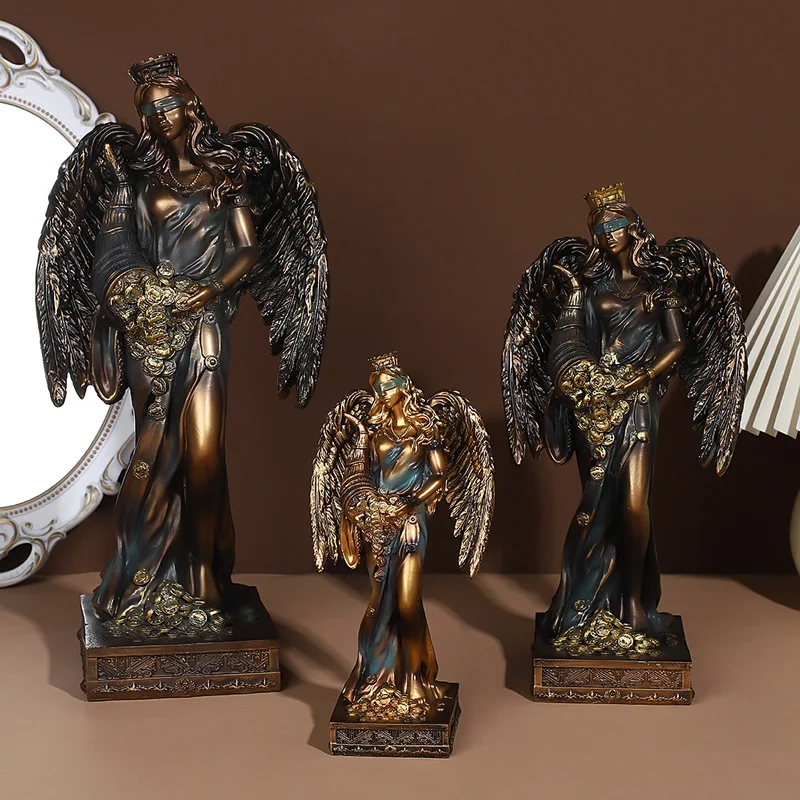
Resin Ornaments Blinded Greek Goddess Fortune Figurine Goddess of Good Fortune and Wealth Sculpture Home Office Decor Decoration
For a beautifully crafted option that balances elegance and durability, consider the Resin Ornaments Blinded Greek Goddess Fortune Figurine, which adds a touch of prosperity to any room.
Frequently asked questions
What is the best material for a Greek goddess figurine?
Resin is often recommended for its durability, detail, and affordability. It can mimic stone or metal and is lighter than marble or bronze, making it easier to display and maintain.
How do I clean a resin Greek goddess figurine?
Use a soft, dry cloth to dust regularly. For deeper cleaning, lightly dampen a cloth with mild soap and water, then gently wipe the surface. Avoid abrasive cleaners or soaking the figurine.
Can I display a Greek goddess figurine outdoors?
Yes, but choose a material designed for outdoor use, such as certain resins or metals. Keep it in a sheltered spot to minimize weather exposure, and bring it inside during extreme conditions.
What does a Greek goddess figurine symbolize?
Different goddesses represent different aspects: Athena symbolizes wisdom, Aphrodite embodies love and beauty, Artemis stands for independence and nature, Hera represents marriage and royalty, and Demeter signifies harvest and abundance.
