
Blog
The Art of the Handcrafted Elephant Stool
Buying Guide
Find Your Perfect Handcrafted Elephant Stool
A handcrafted elephant stool is more than furniture—it’s a piece of art. Whether you’re drawn to its cultural roots or unique design, this guide will help you choose wisely.
What Is a Handcrafted Elephant Stool?
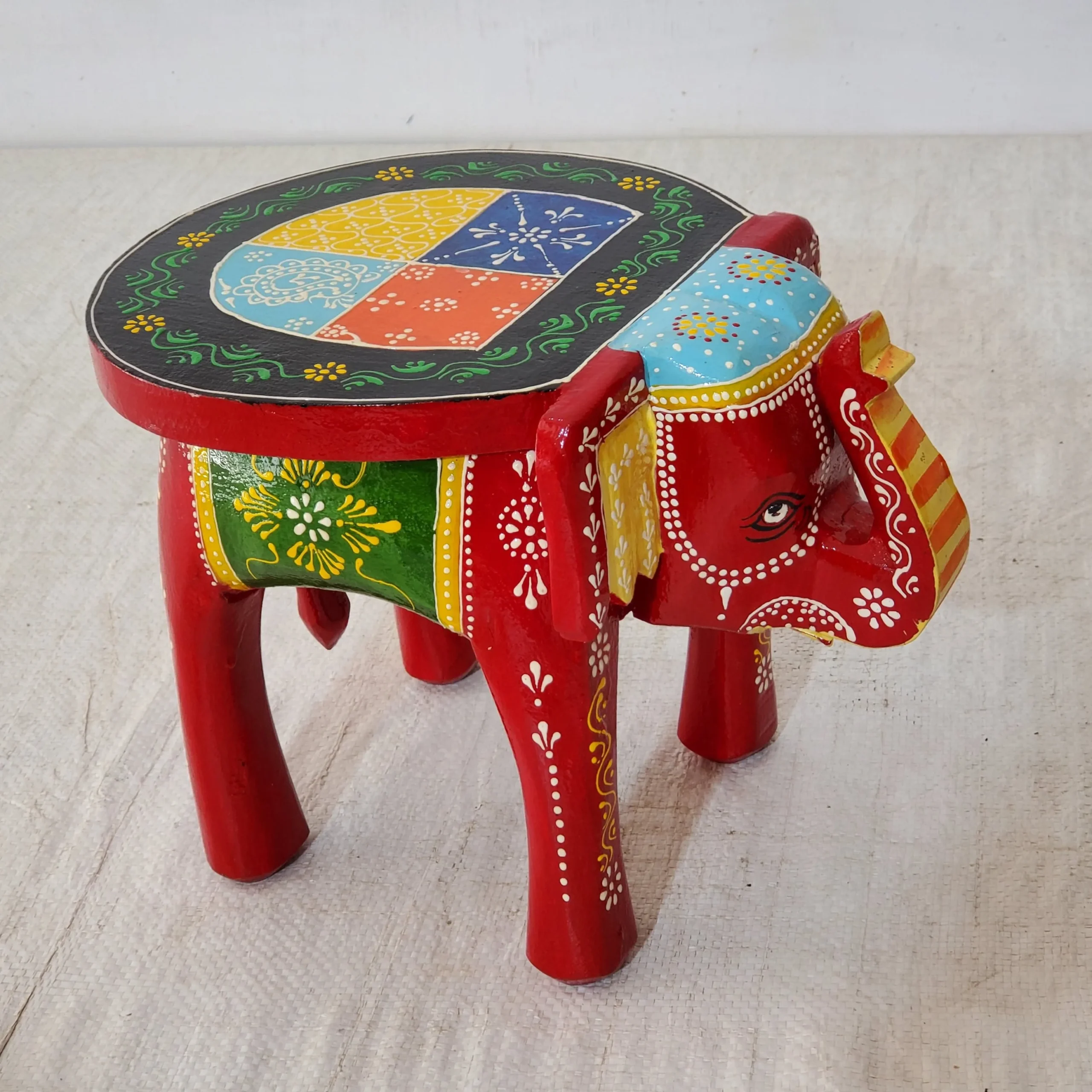
A handcrafted elephant stool is a low wooden seat or side table carved in the shape of an elephant. Originating from traditional Indian and Southeast Asian craftsmanship, these stools are often adorned with intricate hand-painted motifs and bone inlay. They serve as both functional furniture and decorative art, adding a touch of global heritage to any room. The term ‘handcrafted elephant stool’ encompasses a wide range of styles, from rustic folk art to polished contemporary pieces.
The History and Cultural Significance
Elephants have long been revered in many cultures as symbols of wisdom, strength, and good luck. In India, handcrafted elephant stools were originally used by royalty and in temples. The craft of bone inlay—where camel bone pieces are set into carved wood—dates back centuries and is a protected art form in regions like Rajasthan. Today, these stools are cherished worldwide for their storytelling and artistry. For more on the cultural symbolism of elephants, see this Wikipedia article.
Materials and Craftsmanship
Most handcrafted elephant stools are made from sustainably sourced hardwoods like sheesham (Indian rosewood) or mango wood. The carving process is entirely done by hand, with artisans spending days shaping the elephant form. The bone inlay is made from ethically sourced camel bone, dyed with natural pigments. Look for stools with smooth, sealed surfaces and tight inlay joints—signs of quality. Avoid pieces with visible glue or uneven paint, as these may indicate mass production.
Types of Finishes
- Hand-painted: Bright colors and traditional patterns, often with gold accents.
- Natural wood: Showcases the grain, with minimal stain or wax.
- Bone inlay: Intricate geometric or floral designs inlaid with bone.
How to Choose the Right Size and Style
Consider where you’ll place your handcrafted elephant stool. For a side table next to a sofa, choose a height of 18–20 inches. As a footstool, 12–16 inches works best. The style should complement your existing decor: a brightly painted stool adds a pop of color to neutral rooms, while a natural wood finish blends with boho or rustic themes. If you love global accents, go for a bone inlay piece with intricate detailing.
Caring for Your Handcrafted Elephant Stool
To maintain its beauty, dust your stool regularly with a soft cloth. Avoid direct sunlight to prevent fading of paints and inlay. For spills, wipe immediately with a damp cloth and dry. Every few months, apply a natural beeswax polish to nourish the wood. Never use harsh chemicals or abrasive cleaners. With proper care, a quality handcrafted elephant stool can last for generations.
Where to Use an Elephant Stool in Your Home
These versatile pieces work in almost any room. In the living room, use one as a side table for drinks or books. In the bedroom, it can serve as a nightstand or a place to stack your current reads. In an entryway, it becomes a charming spot to drop keys or display a plant. Some even use them as small benches or seating for children. The unique silhouette instantly draws the eye and sparks conversation.
Why Handcrafted Matters
Mass-produced furniture lacks the soul of a handcrafted elephant stool. Each piece is unique, bearing the subtle marks of the artisan’s hands. By choosing handcrafted, you support traditional skills and fair wages for craftspeople. You also get a product that is built to last, using time-honored joinery techniques rather than cheap nails or glue. The result is a stool that not only serves a function but also tells a story.
Handcrafted Wooden Elephant Stool – Traditional Hand-Painted Bone Inlay Side Table
For a stunning example, consider our Handcrafted Wooden Elephant Stool – Traditional Hand-Painted Bone Inlay Side Table, which embodies the finest artisan techniques.
Frequently asked questions
What is a handcrafted elephant stool made of?
Typically, it’s made from hardwood like sheesham or mango wood, with hand-painting or bone inlay. The inlay uses ethically sourced camel bone.
How do I clean a handcrafted elephant stool?
Dust with a soft cloth; wipe spills with a damp cloth and dry. Apply beeswax polish every few months to protect the wood.
Is a handcrafted elephant stool sturdy enough to sit on?
Yes, if well-made. Look for solid construction and a weight capacity of at least 200 lbs. It can serve as occasional seating.
Where can I buy an authentic handcrafted elephant stool?
Look for reputable artisan marketplaces or stores that source directly from India. Check reviews and ask about materials and craftsmanship.